Pros: – beautiful design and craftsmanship
– smooth but lively sound
– gorgeous, euphonic mids
– more rounded treble than on previous ZMF headphones
– coherent, engaging sound
– great staging and imaging
– lifetime driver warranty to original owner
– excellent customer care
Cons: – comfortable enough to forget the weight, but still not light
– sliding mechanism could be smoother
Disclaimer & Intro
I have been lucky enough to review and own several ZMF headphones throughout the years and even luckier to know Zach and Bevin in person. I can attest to their genuine passion and dedication to the hobby, to their customers. Owning ZMF headphones almost feels like joining a family. That said, I am not affiliated with ZMF in any shape or form, my thoughts are my own and I am free to say what I like. This time Zach sent me a demo Tessidera six weeks prior to the official release, to share my thoughts with fellow enthusiasts.
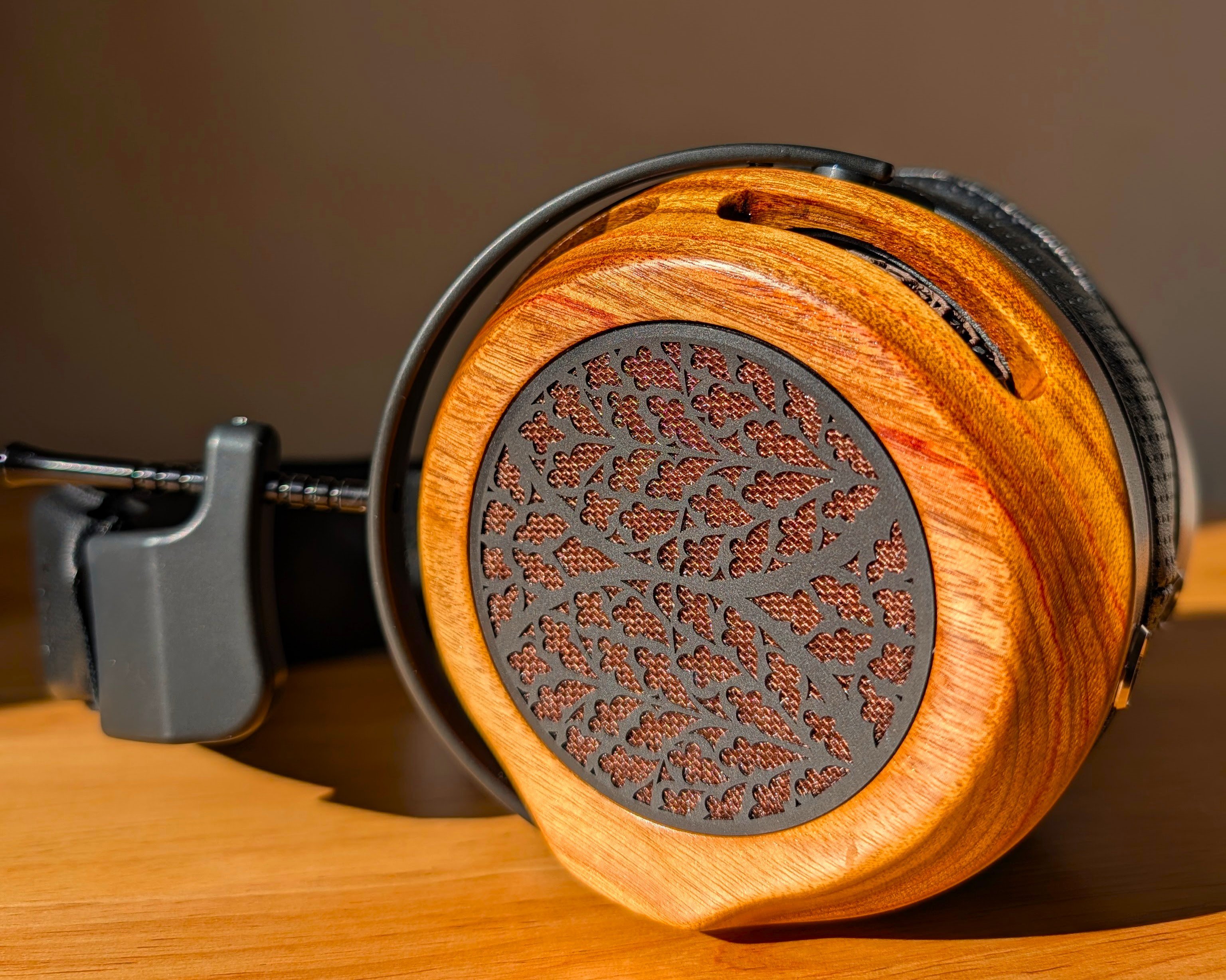
What is Tessidera?
I find it truly astonishing that ZMF keeps releasing 2-4 new products each year. Wallets have barely recovered from the latest Ori 3.0 release and we already have a brand new ZMF planar. With all the shows, traveling, wood sourcing and so on, I cannot imagine how Zach has time for designing new headphones which incorporate completely new and innovative technologies.
Tessidera is ZMF’s fourth planar headphone after the Caldera Open, Caldera Closed and Ori 3.0. It is priced at $2,500 before taxes ($2,200 early bird price), so roughly $1,000 cheaper than their flagship Caldera and the same price as their dynamic driver flagship Atrium.
Tessidera sports the same patented CAMS (Caldera Asymmetrical Magnet System) as the Caldera, same ADS (Atrium Damping System) as the Atrium (and all the newer releases since 2022), but we have brand new patent pending innovations as well. One of them is called ZAM (ZMF Acoustic Matrix) and the other one is SRS (Soundboard Resonator System).
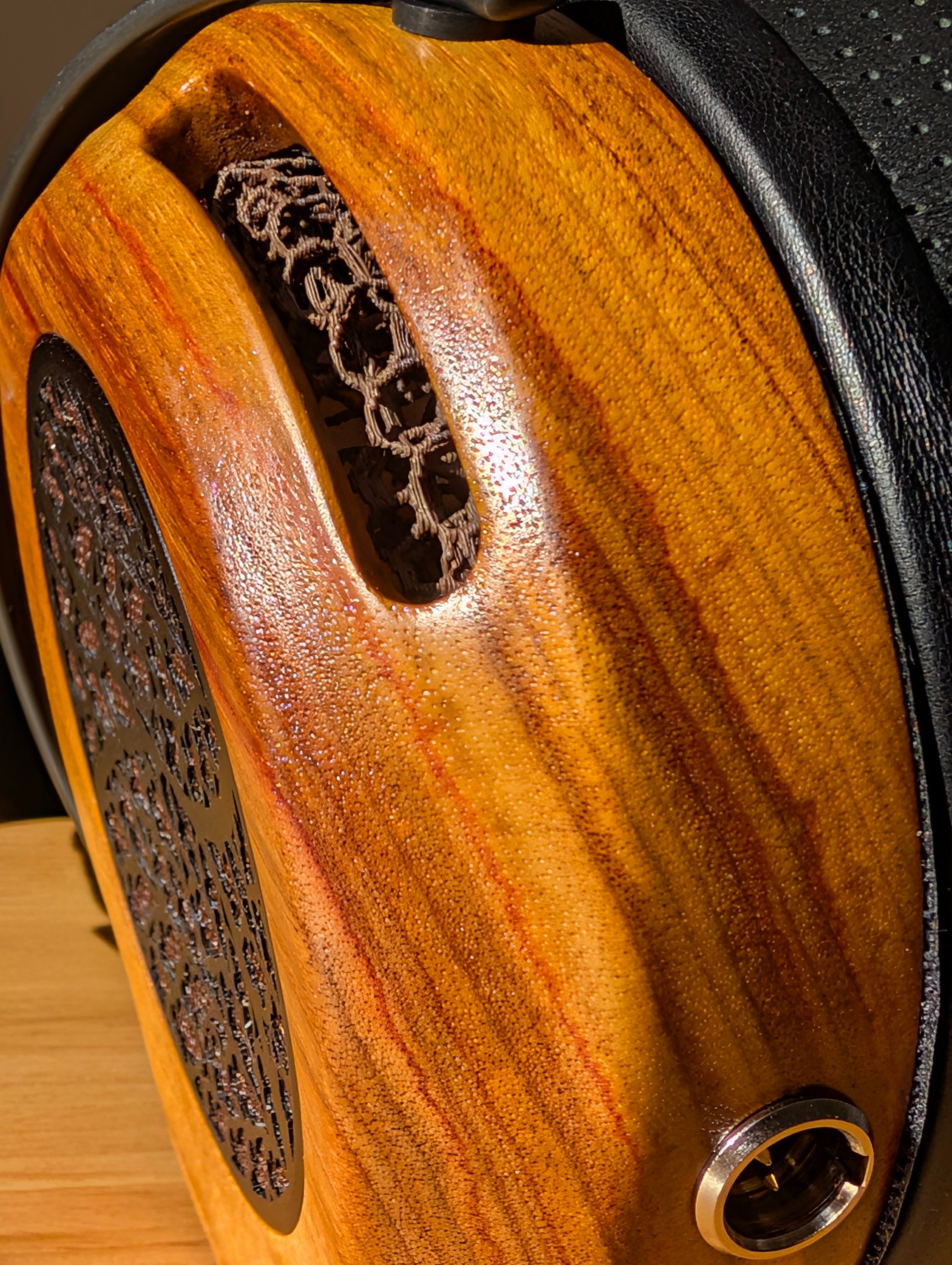
ZAM is a carefully engineered, 3D printed lattice structure inside the cups. This structure eliminates standing waves and smooths the treble between 6K and 12K without having a negative effect on dynamics or transient response.
SRS is a passive wood resonator positioned behind the driver. In the case of the Tessidera the resonator is made of wenge wood (different woods will alter this effect). The idea was inspired by the soundboards of wooden instruments like guitars and violins. It adds punch, dynamic weight and instrumental resonance to the sound. I am sure, this resonance chamber is responsible for the gorgeous midrange on this headphone.
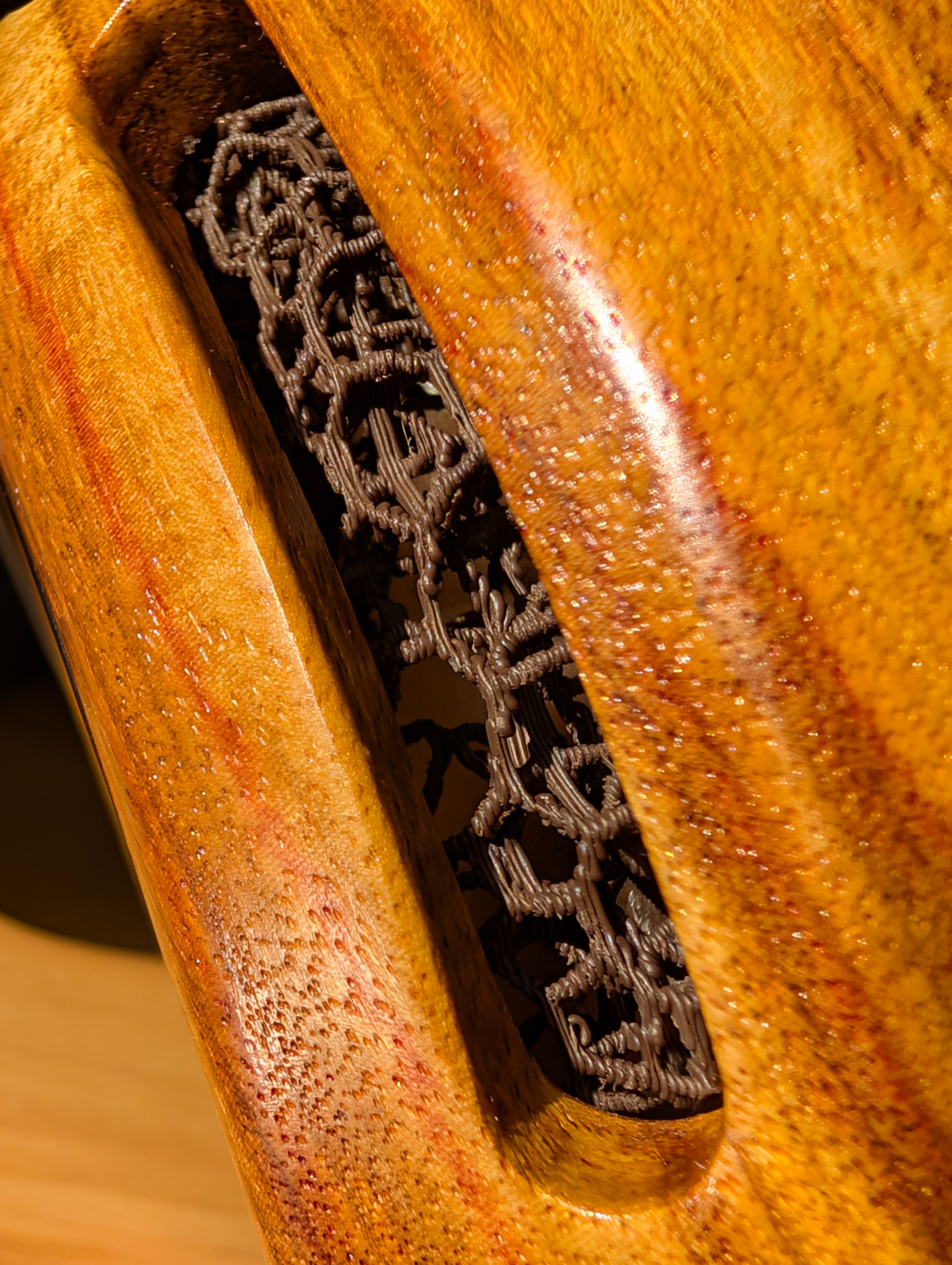
The name ‘Tessidera’ is a playful combination of two words: tessera and tessitura. Tessera means traditional, interlocking mosaic pieces. Tessitura is where one instrument resonates the most comfortably, or where a singer’s voice is the fullest and most effortless. The latter sums up the Tessidera’s sound very well, I imagine the former refers to the different technologies culminating in the Tessidera and resulting in a beautifully coherent sound.
ZMF’s latest baby has an impedance of 35Ω and sensitivity of 92dB/mW. It is not particularly hard to drive, but as all headphones at this calibre, appreciate a decent amplifier. On my ZMF Aegis I found that it pretty much needs the same volume and gain settings as the Atrium or Caldera, perhaps just a hair more volume. Tessidera’s diaphragm is also thinner than the Caldera’s at 1μm. Caldera’s diaphragm is 2μm, Ori 3.0’s is 6μm. Diaphragm thickness does influence sound characteristics; thinner often means a faster and lighter sound. That said, the transducer and earcup damping together is a complex sound shaping system, so I wouldn’t overemphasise the meaning of these numbers. Zach said that the 1μm diaphragm lacked some punch versus the Caldera, but this was nicely compensated by the new SRS system. I can confirm this from what I hear. Caldera also uses thinner and longer traces on the diaphragm, which move it in a more delicate way.
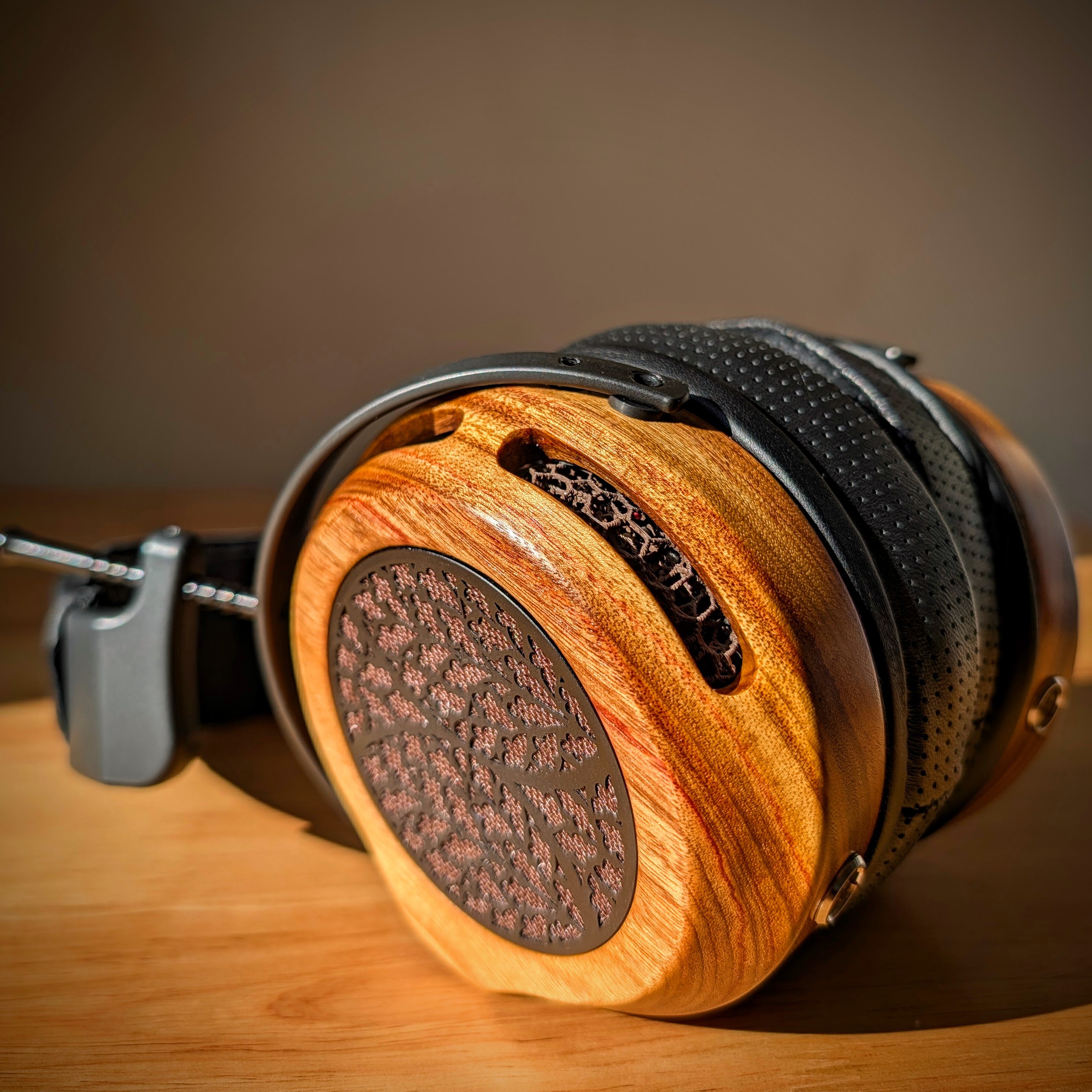
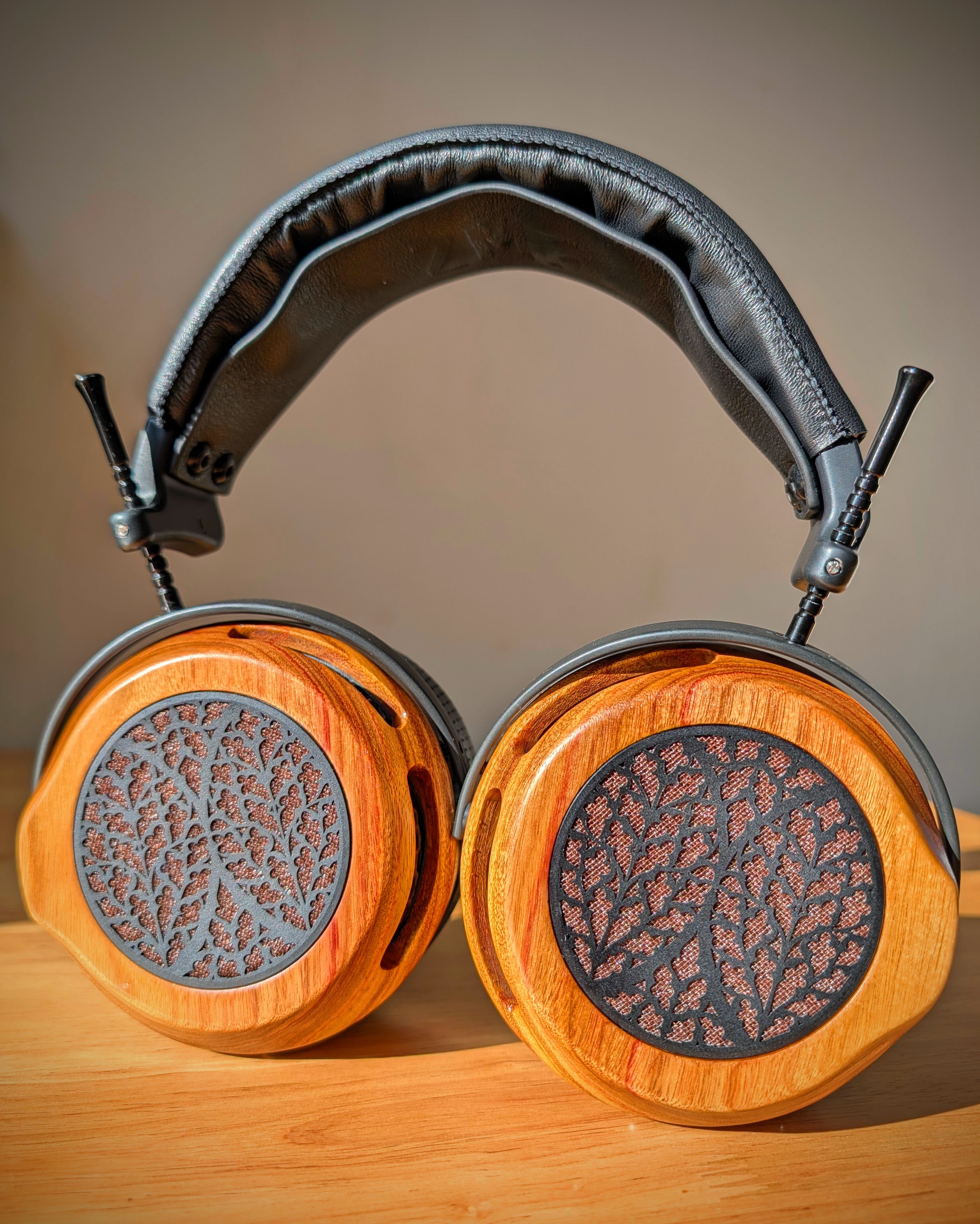
Tessidera comes with an excellent carrying case and the stock wood is gorgeous canary wood, which looks even more beautiful in real life.
Comfort & build
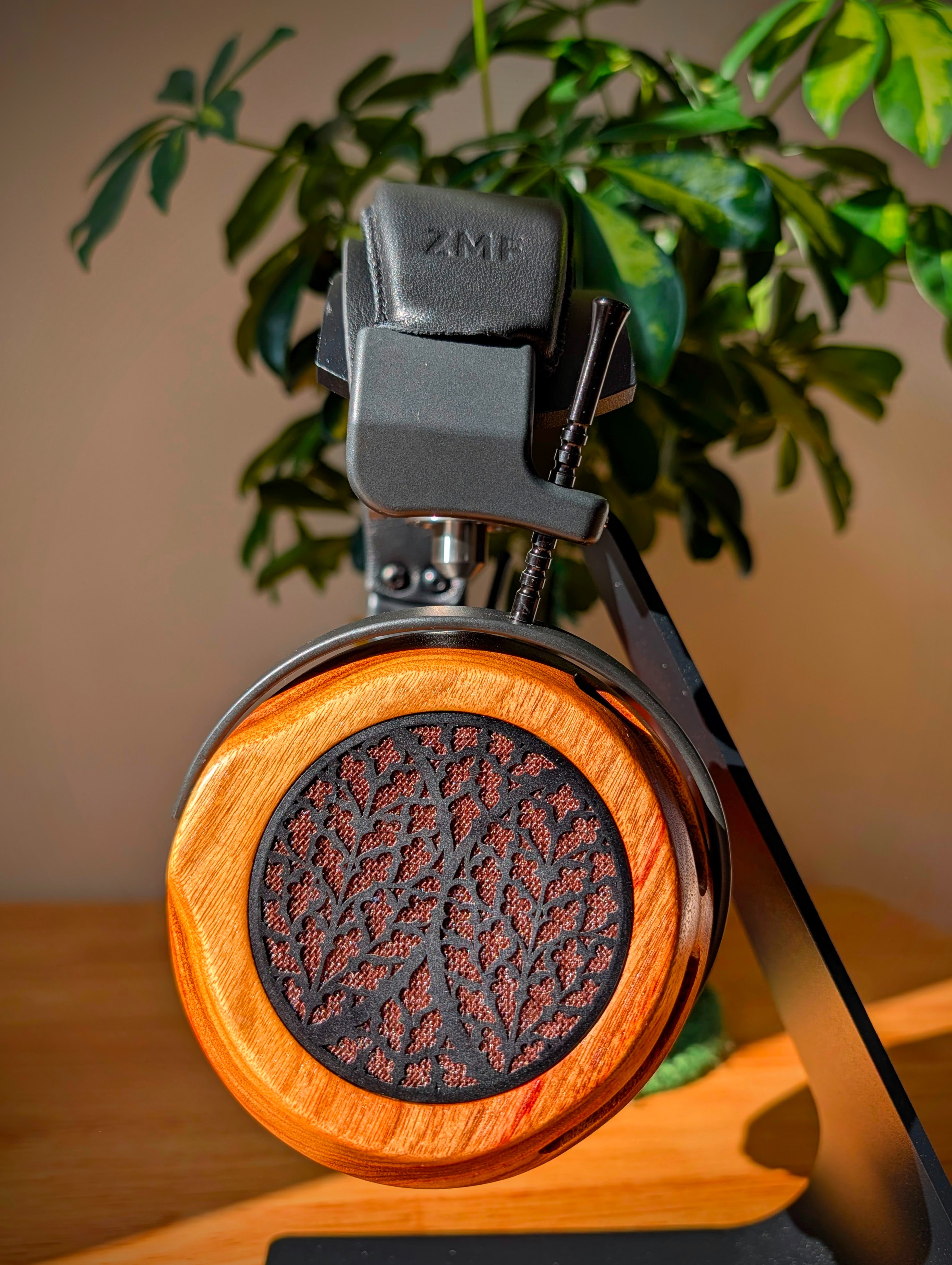
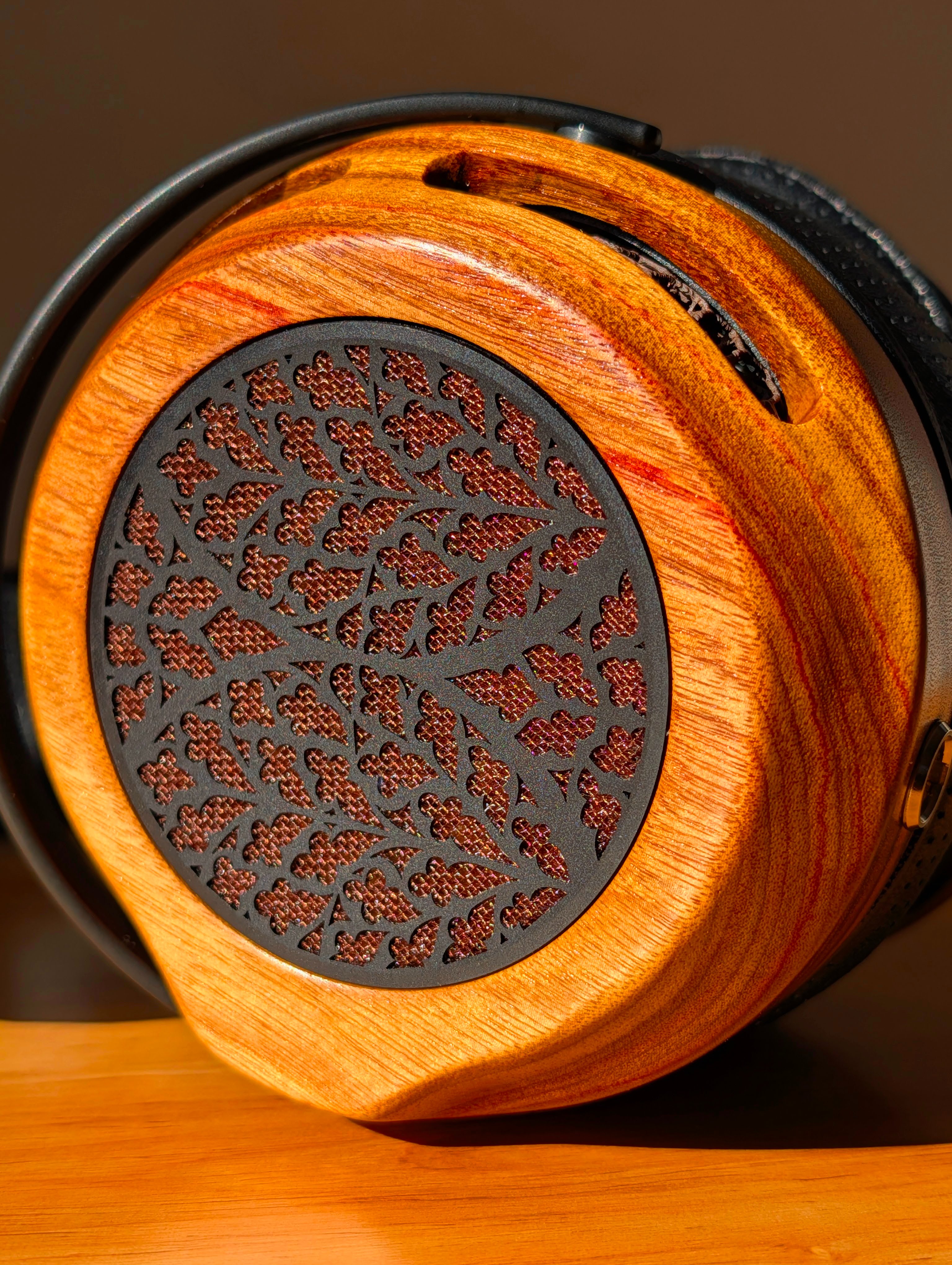
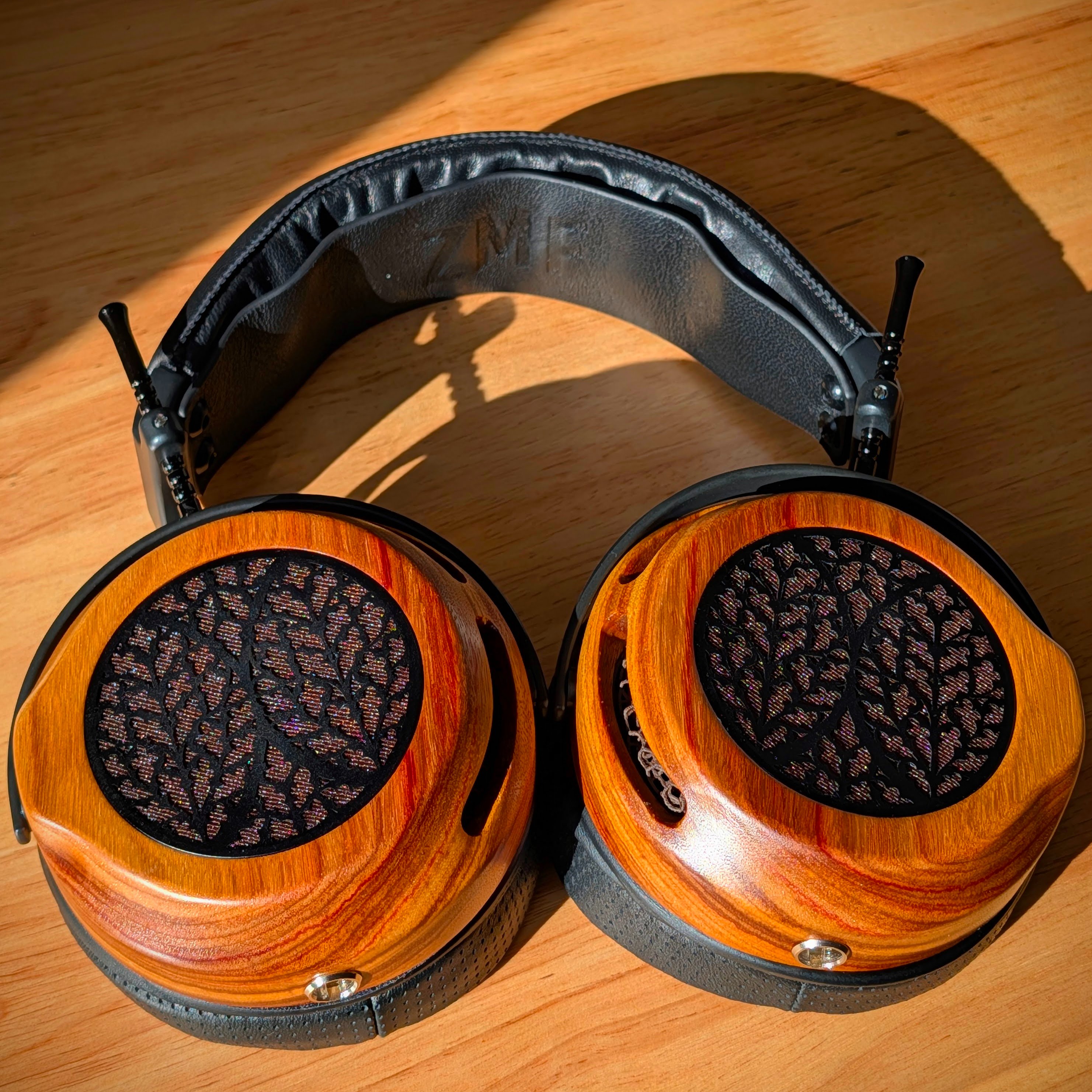
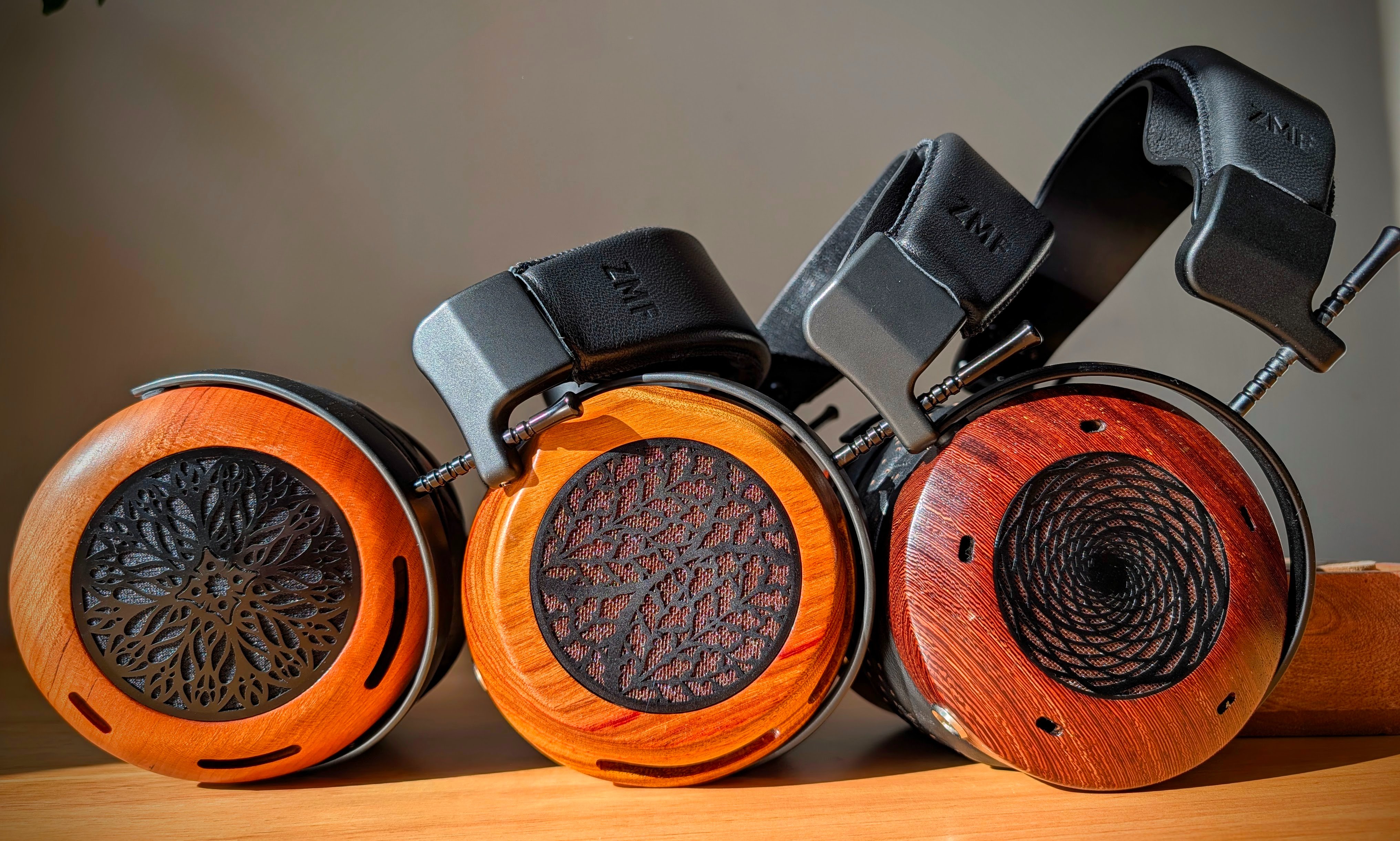
Comfort and build are both excellent, as we are used to from ZMF. The beautifully shaped canary wood ear cups look stunning; the refreshingly unusual shape serves acoustic purposes at the same time. ZMF headphones feel like artisan musical instruments; simply beautiful craftsmanship.
I also find all ZMF headphones very comfortable, despite their usually higher weight (500g-600g). The earpads are large, plush and super comfy. Weight distribution is carefully designed and excellent. I read two different first impressions on the Tessidera where the posters were surprised how light the Tessidera felt on the head and claimed it is the lightest ZMF ever, without knowing the actual weight. Well, on my kitchen scale the Tessidera shows 576g, which is not exactly light, but they do indeed feel much lighter on the head. These impressions just prove the outstanding job ZMF has done on this front.
(The lightest ZMF headphones go as low as 470g with certain lighter wood cups.)
Sound
In general, Tessidera sounds like a ZMF headphone, yet it has its distinct tuning. By ZMF sound I mean a thicker, weightier presentation with uniquely organic qualities especially in the midrange. This is true for all ZMF headphones, but they provide this organic feeling to different extent. Dynamic drivers excel at this, the Atrium being the organic midrange king. The planar Caldera has a much faster, cleaner and more detailed sound than the Atrium, but still sounds organic and weighty compared to most other planar headphones. Many early adopters described the Tessidera as a love child of the Atrium and Caldera. There is a lot of truth in this observation as Tessidera performs at a higher technical level compared to the Atrium, but at the same time it sounds more lush and more romantic than the Caldera. I will unfold these differences in more depth at the direct comparisons.
What struck me the most with the Tessidera is its uniquely engaging and euphonic midrange. This level of midrange magic is unheard of on a planar, even surpassing Caldera in this regard. Staging and imaging are also standout features of the Tessidera, plus I would like to highlight its coherence and cohesiveness. Coherence is a rare treat when the sound comes across as a complete whole and doesn’t fall apart into sections; not an easy achievement. Too many headphones have overemphasised bass or treble, recessed mids or staging issues. Tessidera has a complete, well-balanced sound that is crucial for seamless musical enjoyment. A coherent sounding headphone makes you forget about technicalities, treble, bass focus or other aspects and just lets you sink into the music. It engages you to the core where you can just float with the music; in the music, and forget about the equipment. Tessidera does that.
Technicalities
ZMF’s latest planar offers an adequate level of technicalities for its price point, if not slightly higher. Detail retrieval and resolution is better than on the Atrium or Verité, but not quite as good as on the Caldera. I find the Tessidera a supremely well-balanced headphone. Everything is enough but nothing is too much. Enough but not too much bass, enough but not too much treble. Not too forward, not too recessed mids. The soundstage is not too huge but not too small either. None of the frequency ranges are overemphasised yet the headphone sounds enjoyable and makes you move your head or toes to the rhythm. It is fast and dynamic, but not at the expense of note weight or treble brightness. Faster than the dynamic ZMF headphones, but not quite as fast as the Caldera.
What stands out in the technical section is staging and imaging. This is excellent on the Tessidera, creating a believable, spherical 3D space. I wouldn’t call it intimate, but it is not the vastest either: a middle sized sphere beautifully done with good instrument separation and air.
Bass on the Tessidera is excellent. It is planar bass, but from the chunkier, weightier type. It is not slow despite the weight, but it is not the fastest either. There is a good punch and energy to it and it extends deep. Tessidera bass is more linear than on the Atrium, lacking that kind of mid-bass boost and quantity. At the same time it feels abundant, but never overwhelming. It is clearer and cleaner than Atrium bass, but not quite as controlled and tight as Caldera bass. Tessidera bass is always there and never disappoints, but it doesn’t steal the show either. It provides more of a solid foundation to the gorgeous mids. I am not saying Tessidera bass cannot be fun with EDM tracks for instance, as it can be. But Caldera takes the cake on this front. On certain EDM tracks Tessidera just didn’t provide the same level of control, clarity and sub-bass energy the Caldera can. Still, this is wonderful bass and better than 80% of the headphones out there. It is just not necessarily the showstopper here, at least not if you are already familiar with other ZMF models.
Mids are the showstoppers with the Tessidera, which feels unusual to say given that it uses planar transducers; typically not known for presenting vocals and acoustic instruments as lush or lively as dynamic-driver headphones like the Atrium. Zach has truly worked some magic with that wenge resonance chamber as it enriches the mids like no other planar headphones I have ever heard. Mids, vocals, acoustic instruments sound so euphonic, so engaging that often I just can’t stop listening. It sounds lifelike, but also with a hint of addictive sweetness. Timbre and tone are not just excellent but addictive. This midrange invites the listener like flowers allure bees to take some sweet nectar. Higher performing planar headphones like the Caldera offer better mid clarity and control, but none of them offer such a sweet and seductive midrange experience. To me this is the highlight of Tessidera.
Treble is an interesting one on the Tessidera and quite different to previous ZMF tunings. Roughly above 8K there is a significant and consistent downwards slope on the frequency graph which eliminates any bothering treble peaks. I wouldn’t say that the Tessidera sounds dark as such, but it is supremely smooth. In the upper treble there is a hint of ‘shade’ compared to other headphones, but it is more like a lack of high-pitch shimmer and sparkle and not darkness. When I listen to the Tessidera in isolation, I don’t feel that anything is missing, just enjoying the smoothness of the treble. Only in comparison, the more open and airy treble on the Caldera becomes obvious. In my opinion this is a positive change and many people, who found certain ZMF headphones too intense or too forward in the upper-mid/lower-treble region, will love this kind of tamed treble tuning. It is not old-school Audeze dark, but certainly more pulled-back, polished and rounded than previous ZMF models; I personally love it. At the same time, treble smoothness in case of the Tessidera doesn’t mean a soft or laid back sound like the Meze Elite or Empyrean. Tessidera still sounds lively and energetic even in the treble, it just feels rounded. Not ‘laid back smooth’, but ‘punchy smooth’.
Earpads
Tessidera’s stock earpads are the standard Caldera earpads with perforation outside and on the top, no perforation inside. I find that these offer the best tonal balance, which is also true for all stock pads on other ZMF headphones. The only exception for me is the thick pads on the Caldera Open, which I really enjoy as it slightly enhances bass and smooths treble but at the expense of a slightly recessed midrange. Tessidera has a little more bass quantity by default, and also a smoother treble than Caldera, so the benefits of the thick pads are not needed here. I like the additional stage size and depth the thick pads introduce due to the increased distance between the ears and the drivers, but in the case of the Tessidera thick pads just destroyed the magical midrange for me by making them more recessed.
Suede pads could be a viable alternative, they gently soften transients and smoothen the sound by introducing a very thin ‘veil’. I personally don’t like suede pads on any of the ZMF headphones, as to me they take away from the brilliant dynamics, but some people like them. To me stock pads are the perfect choice here.
Comparisons
ZMF Caldera Open
I have owned and loved the Caldera Open pretty much since its release, nearly three years ago. I prefer them to the Caldera Closed, which I do think are the best closed back headphones to date, but sound a little warmer, a little slower and not quite as detailed and fast as the open version. That said, the following observations are true for both the open and closed Caldera versus the Tessidera.

Caldera: dotted line; Tessidera: solid line
While Tessidera comes very close to the Caldera in many aspects, Caldera is still the planar ZMF flagship. Caldera sounds more mature, more controlled with better clarity and speed. Bass is cleaner, punchier on the Cladera which is a pretty clear win for EDM lovers. Soundstage is a little bigger on the Caldera and due to the brighter (but not bright) treble, upper frequencies feel much more open. There is more midrange detail and refinement on the Caldera, but Tessidera sounds more euphonic, more pleasing here. This is especially obvious with vocals or acoustic instruments. Caldera is more neutral with stock pads, Tessidera feels warmer in stock form. Overall Caldera wins on technicalities like speed, control and bass grip, but Tessidera is not too far behind and the choice between the euphonic presentation of the newest ZMF planar and the mature control of the long reigning king won’t be easy for everyone. Preference can go either way, especially if we take the not insignificant price difference into account. One thing is for sure, if someone found the upper-mid/lower-treble energy of the Caldera (and Ori 3.0) too much but always wanted a ZMF planar, now they have a wonderful alternative.
ZMF Atrium Open
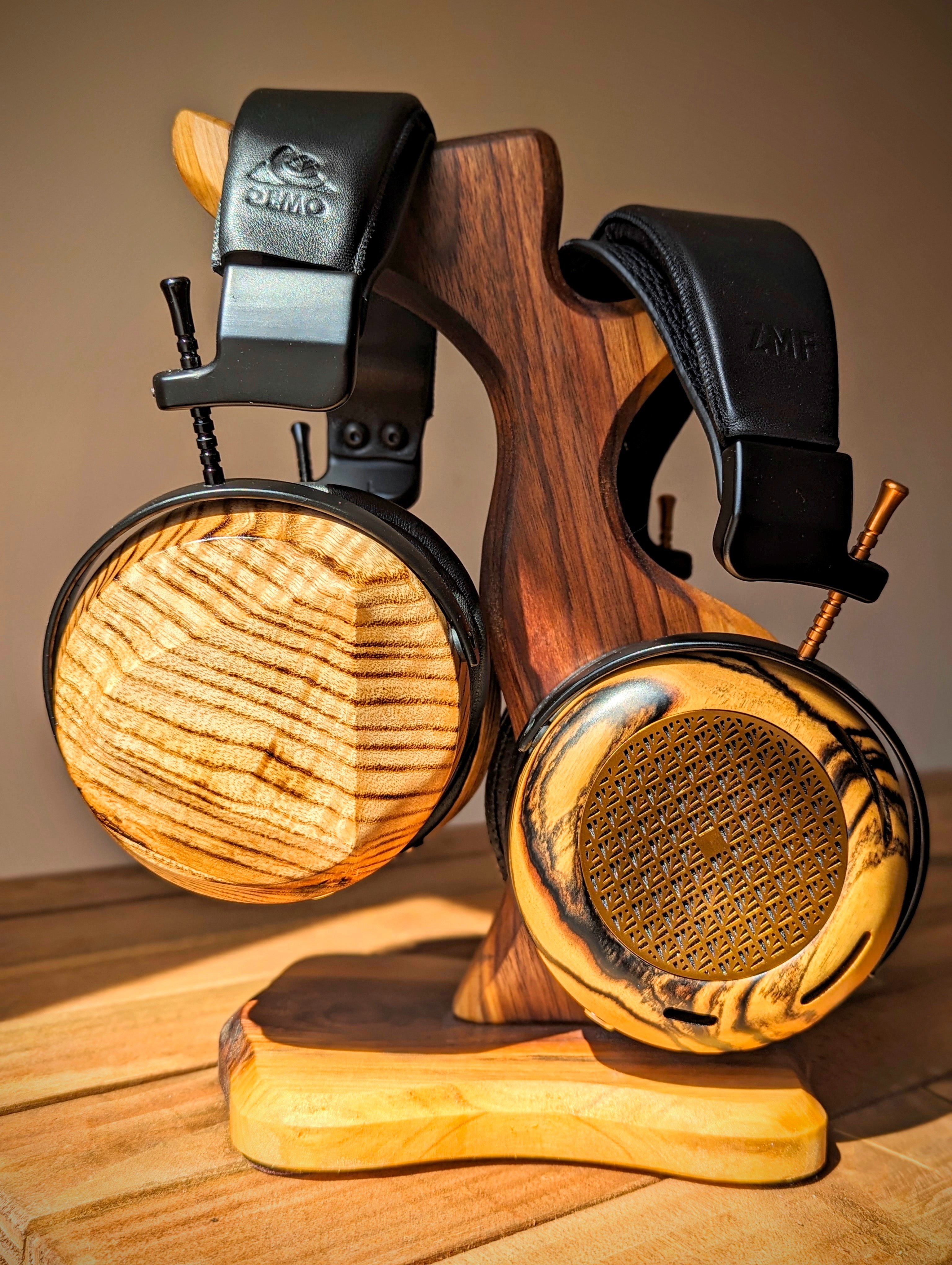
Atrium to me is the king of midrange presentation. No other headphones can produce such thick, weighty, acoustically correct midrange with excellent timbre and engaging vocals, wooden instruments. This is due to a combination of wooden cups, dynamic drivers and biocellulose diaphragm. Tessidera comes close to this midrange presentation, a step closer than Caldera. Yet, Tessidera is still planar at the end of the day. While it may be the most euphonic planar, the Atrium’s lushness remains unmatched. At the same time, the Tessidera offers higher resolution, better control, and greater speed, resulting in stronger bass and treble performance: more clarity, more grip, and more detail.
ZMF Verité
Verité is an older model, but as I mentioned in my Atrium/ Verité/Caldera comparison review, I still find them completely relevant in today’s market. Verité lacks the later innovation of the ADS damping system, which means a wider but shallower stage compared to newer ZMF models. It is also more linear, more neutral than the Atrium, partially thanks to the beryllium coated drivers. Verité is a snappy dynamic headphone, offering a very similar level of detail to the Tessidera but in a completely different manner. The flavour of dynamic drivers is still obvious on the Verité, which the Tessidera cannot quite match. Mids still sound a shade more natural on the Verité. Tonally the Tessidera is a bit warmer and smoother, and with slightly better speed than Verité. Bass has more weight and impact on the newest ZMF planar and treble feels much smoother without any loss of energy. I like the Verité, but Tessidera feels like a more accomplished, more polished and more coherent tuning. (More on Verité vs. Tessidera.)
ZMF Ori 3.0
The Ori 3.0 is a bit of an exception in the ZMF line up, offering a very distinctive, bold and different tuning. None of the ZMF models lack energy, but the Ori 3.0 turns it up to eleven. Ori 3.0 offers an entertaining listen, it grabs your attention and never lets you go. Shakes you up with a punchy bass, sparky treble and raw, untamed energy. Ori 3.0 is not a linear headphone, a bit V-shaped with different emphasis on certain frequency ranges in the mids and treble. This creates a fun but slightly more divisive character. I can enjoy the Ori 3.0, but not much longer than an hour. After an hour I need something smoother, something more relaxed, something less forward and slightly more ‘traditionally’ balanced. This is where the natural and smooth openness of the Tessidera wins me over. These two headphones have similar level of technicalities, but while the Ori 3.0 is tighter, bouncier, punchier and brighter, Tessidera is warmer, thicker, smoother and more evenly balanced.
Other brands at a similar price
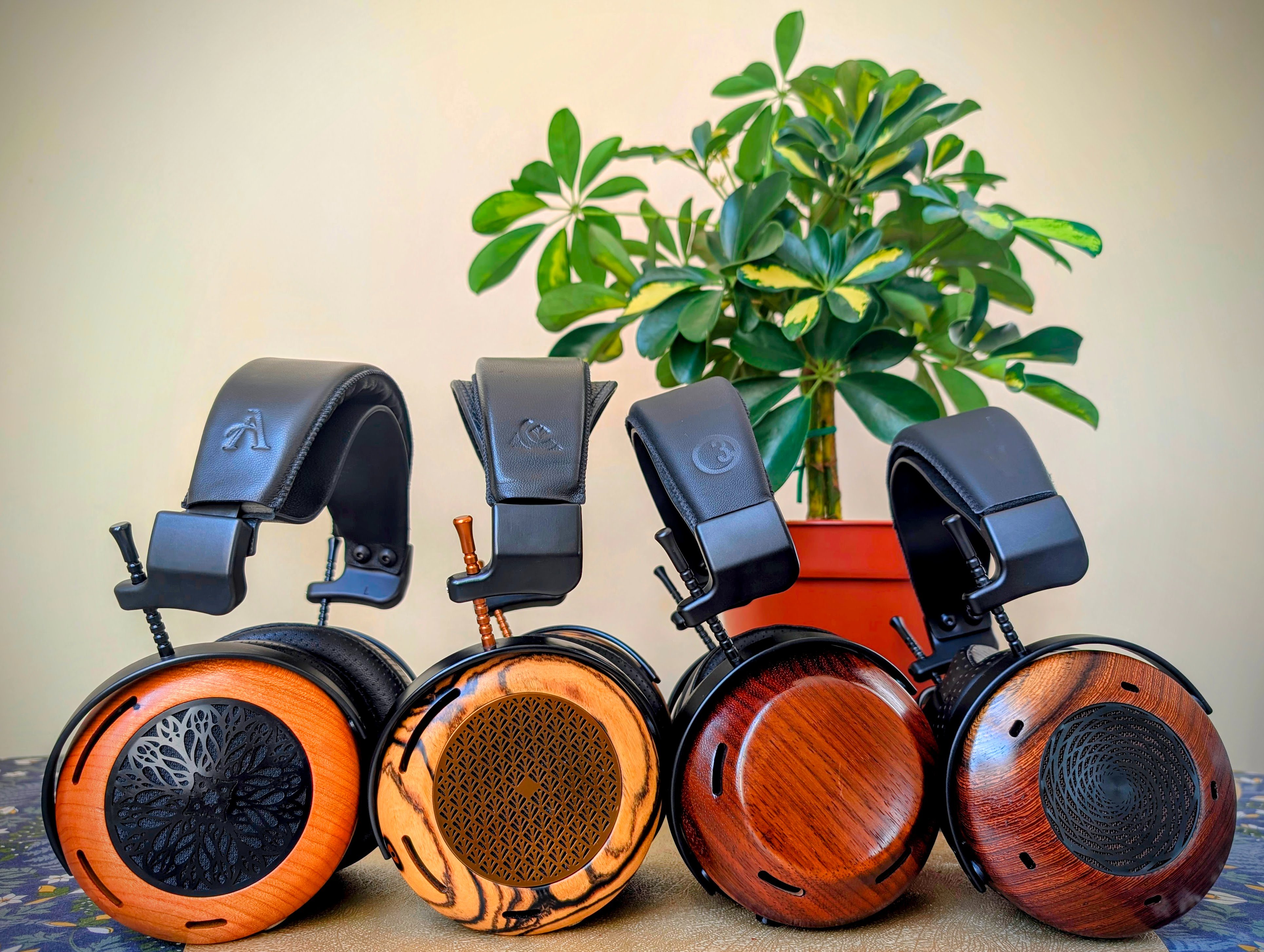
ZMF sound is unique; no other brands offer this kind of pleasantly warm tuning with energy and note weight. Only certain older Audeze LCD models come close in thickness and weight, but ZMF still offers a more organic and more energetic take on general headphone tuning. LCD-3 would be a similar choice which I enjoy, but Tessidera sounds more detailed and spacious without being bright.
HiFiMan HE1000 iterations will sound more detailed and more spacious than the Tessidera, but also much lighter in bass and in overall presentation. HE1000 headphones also sound more spacious with larger images and offer a much brighter treble. The higher resolution and large space on the HE1000 iterations are great features, but I dislike the light, floaty feeling, lack of note weight, thickness and the feeling of being grounded. They are also a bit too bright to my ears.
DCA E3 sounds linear and neutral in comparison. Technically perhaps a bit more advanced, but far from what I would call engaging and satisfying.
Tessidera to me sounds much better than midrange Meze offerings, like the POET. Tessidera is thicker, operates with a bigger and more correct 3D space/imaging, and a much more natural sound. Meze Elite at a much higher price sounds more detailed and more spacious. Tessidera cannot reach Elite’s technical performance, but I can still see some people falling for the beautiful weighty tone and engaging nature of the Tessidera instead.

A few example tracks
Electric Universe – Bansuri: This was one track where I felt that bass authority and sub bass lacks a bit behind Caldera in direct comparison.
Acid Arab – Electrique Yarghol: Despite the smoothness there is still a generous amount of energy in the way this track is presented. Rounded, but not laid back.
Grace VanderWaal – I don’t know my name: Vocal certainly has a sweet and pleasant quality on the Tessidera versus Caldera.
Zero 7 – Swimmers: An example for the Tessidera’s excellent instrument separation and 3D imaging.
Bach Cello Suite #1 in G, BWV 1007 – I. Prelude: Beautiful timbre, mids and tonality.
Anima Sound System – Kallós: Nicely done balance, coherence and vocal. Bass is present, but not quite as controlled or authoritative as the Caldera.
Carbon Based Lifeforms – Right Where It Ends: Bass is balanced and adequate, but not as muscular, layered or detailed as on Caldera.
Angéle – Balance ton quoi: Engaging vocals, euphonic tones and nice timbre; filled with addictive sweetness.
Pomme – J’suis pas dupe: Beyond planar technicalities the strength of the Tessidera is in the midrange. Vocal and guitar timbre, guitar plucks sound alive, real and present.
Liquid Bloom – Fire Gathering (ATYYA Remix): Sub-bass isn’t quite as punchy and present as on Caldera.

Conclusion
Tessidera appeared as a pleasant surprise and exceeded my expectations. I think, in many ways, this is Zach’s most mature, most accomplished work and most coherent tuning so far. In my opinion the Tessidera at this price point represents excellent value: beautiful craftsmanship, lifetime driver warranty, best customer care. These headphones are technically highly capable at this price point and offer a uniquely natural and engaging, slightly sweetened sound that you simply won’t be able to find anywhere else. While the Tessidera sounds relatively close to the Caldera in a technical sense and relatively close to the Atrium in a tonal sense, they are not simply a combination of these two older models. Tessidera has its own unique identity, characterised by the signature ZMF note weight and musical engagement but in a more refined, more coherent and more complete package than ever before. The new innovations like the ZAM structure and SRS system both work, resulting in a smoother than ever ZMF treble and richer than ever ZMF planar midrange. Above all details and analysis, Tessidera simply does what you would expect from good headphones: it entertains you with a pleasant, euphonic sound that makes you listen to tracks from beginning to the end and makes you listen late into the night well beyond your bedtime. An absolute home run from ZMF.