Pros: – ZMF craftsmanship — unique owner experience
– energetic, punchy sound
– naturally open sounding closed-back with good isolation
– entertaining presentation
– hard hitting, clean bass
– ZMF timbre, wood reverbs
– 3D imaging
– several tuning options with bass plugs and earpads
– lifetime driver warranty to original owner
– nice carrying case
Cons: – might be heavy for some
– presentation could be too forward and energetic for some
– upper registers are not the last word in refinement
– not for long term, relaxed listening sessions
Intro
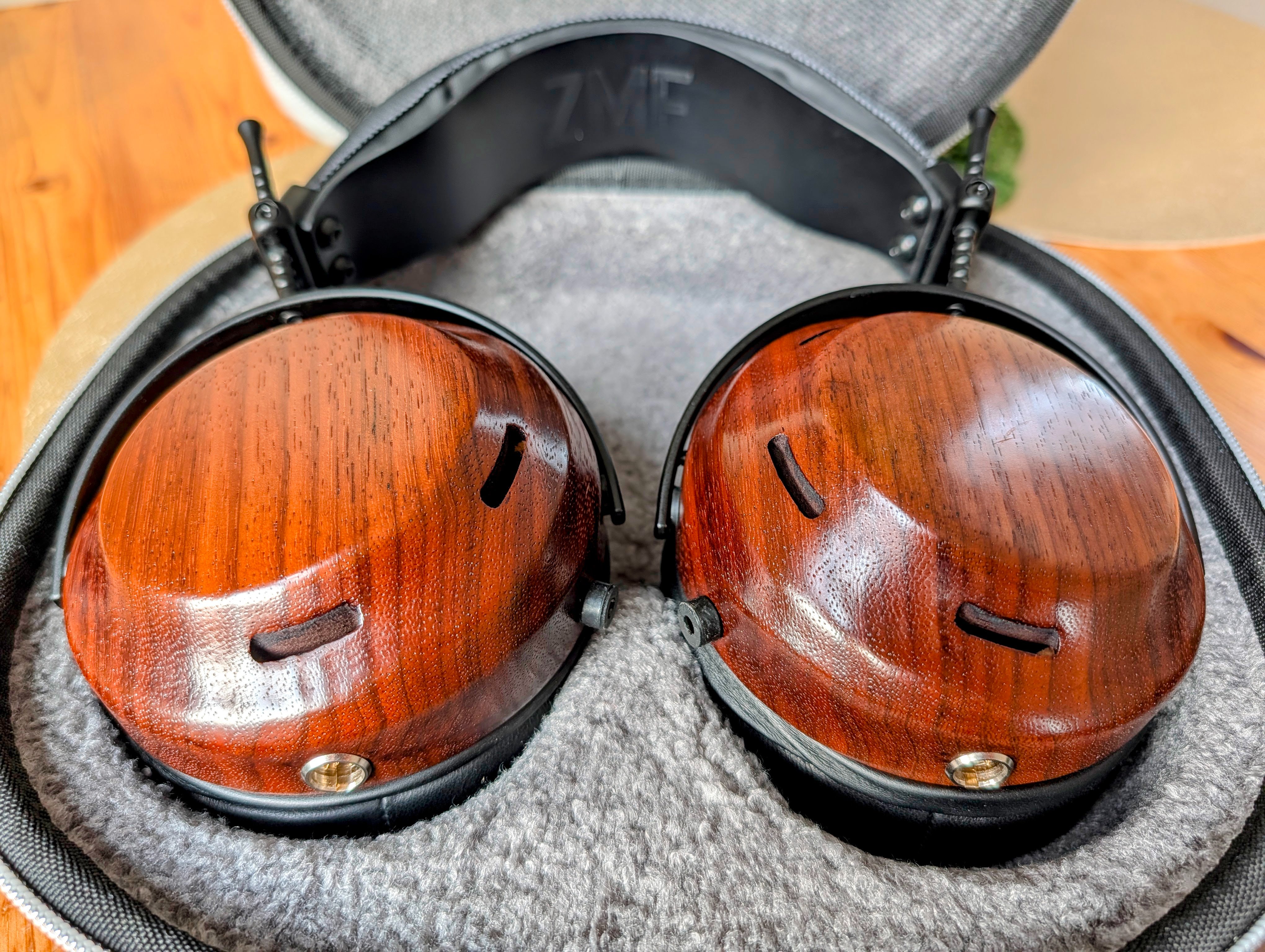
Zach (Zach Mehrbach owner of ZMF) has kindly lent me the Ori 3.0 six weeks ago, so I could time my review around the official release date. I am not affiliated with ZMF and the demo unit will make its way back to the US in the near future. All you can read here are my honest impressions, although I admittedly like the weighty and organic ZMF sound in general. After reviewing the Caldera open, Caldera closed, Bokeh open, Bokeh closed and Aegis amplifier I can say I have a good understanding of what ZMF has to offer. I also have the Atrium open and Verité open with me. In my next project I will compare them to my own Caldera open. For now, let’s have a closer look at the brand new Ori 3.0.
What is the ZMF Ori 3.0?
The ZMF Ori 3.0 is the newest model from ZMF and their second proprietary planar headphones, after the Caldera variants. These will retail for $2,199, although if you are quick enough you can grab them at an introductory price of $1,899.
The first Ori was a heavily modified Fostex T50RP and started its life under the name ‘Omni’ in 2015. Due to a legal dispute ZMF had to change the name to ‘Ori’ not long after release. Regardless of the name, these headphones quickly became a fan favourite and I know some members who use them and love them to this day. Unfortunately, I never had a chance to audition this old version.
That is how we arrive at the third iteration; the Omni 3.0. These headphones only carry on the sonic heritage of the old Ori/Omni as the 3.0 has nothing to do with T50RPs anymore; ZMF is using 100% proprietary parts. The 3.0 was designed from the ground up, including the planar transducers. The old Omni is a bassy and fun headphone, and Zach wanted to capture this spirit in the new 3.0 using all the knowledge, experience and equipment he acquired in the last ten years.
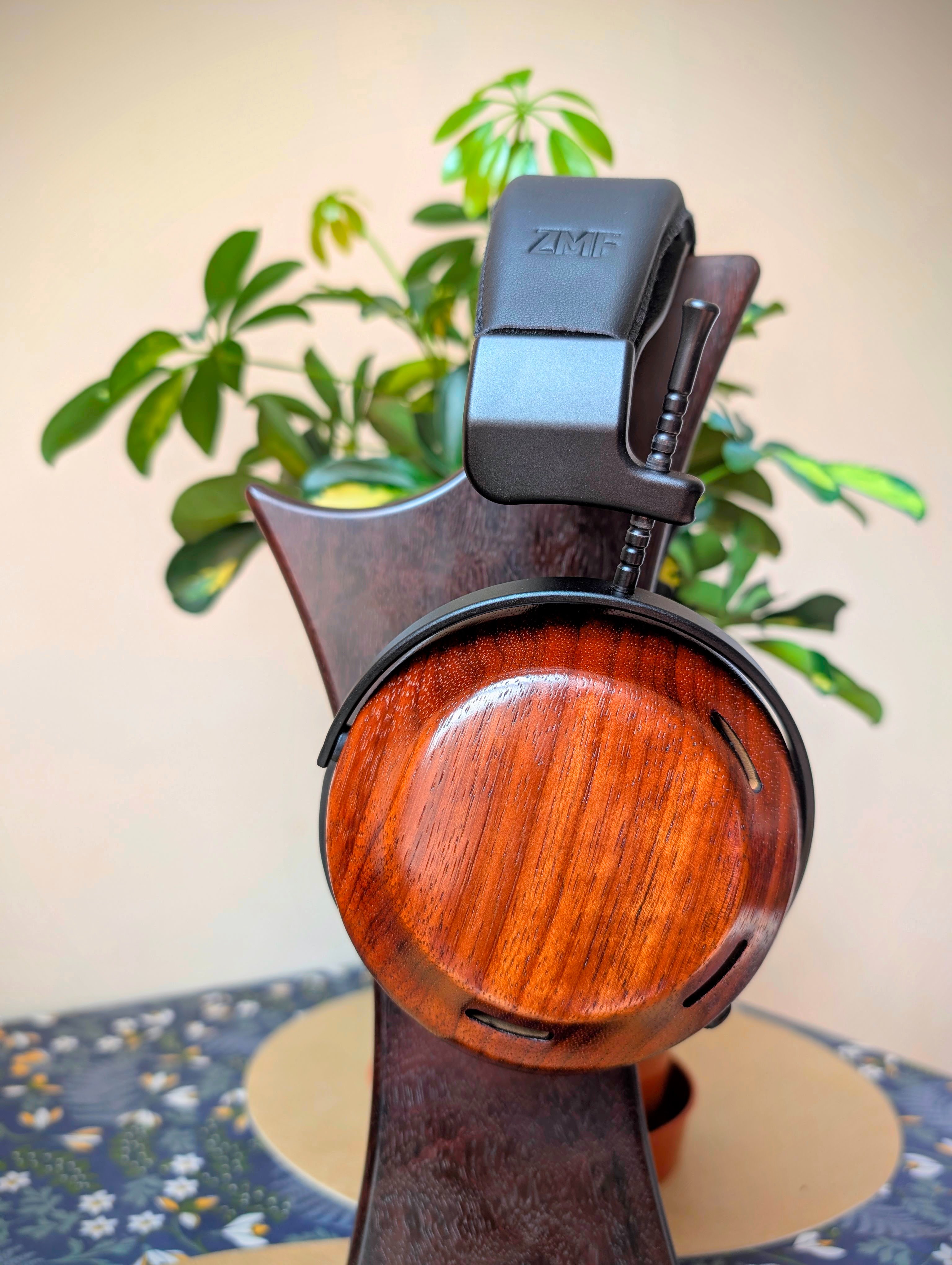
The Ori 3.0 are closed back headphones, and the transducer is very similar to the Caldera transducer, but with some significant differences. The 80mm planar driver has an impedance of 60Ω and sensitivity of 95dB/mW: same as Caldera. The magnet structure is also practically the same Caldera Asymmetrical Magnet Structure (patented). The Ori 3.0 also uses the Atrium Damping System (patented) like other ZMF headphones. One major difference compared to the Caldera closed is that in the Ori 3.0 the ADS damping system utilises much lighter and more acoustically transparent materials inside the cups.
The biggest difference between the two ZMF planar transducers is the diaphragm itself, which is a different material (Kapton) in the Ori 3.0 with a thickness of 6µm. This is three times thicker than the 2µm diaphragm in the Caldera which has a significant effect on sound. The thicker Kapton membrane is a polyimide, invented by DuPont in the 1960’s and generally used in space technology due to its strength and stability. (For reference, the original T50RP uses 12-18µm thick diaphragms while the Susvara diaphragm is just under 1µm.)
A thicker diaphragm also weighs more, which usually translates to a more powerful and punchy low end, but at the expense of treble clarity and speed (transient response). While the Ori 3.0 certainly has a muscular and punchy bass response, I don’t feel there were any compromises made in other areas. There are good speed and treble clarity, which might have something to do with the uniquely tuned damping system.
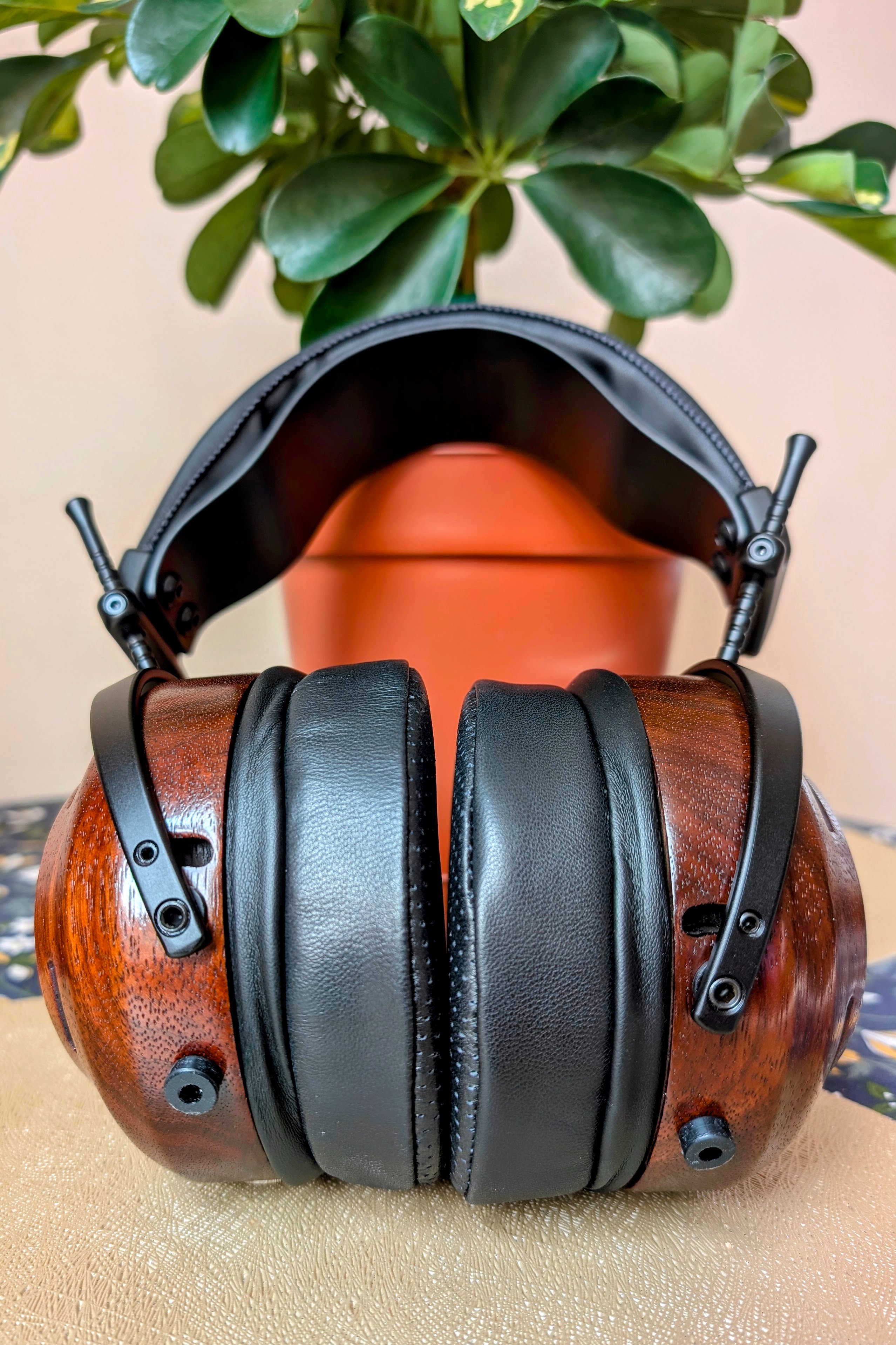
Ported plugs: plugs with holes. The in-between solution and my favourites.
The Ori 3.0 also introduces the ‘Bass port’ on ZMF headphones. These are essentially holes on the earcups that you can plug in with different tiny plugs and they will alter the quantity of bass; essentially a physical EQ that provides a bass shelf but leaves higher frequencies unchanged. The Ori 3.0 comes with the full plugs installed: this is the most polite/neutral bass response. A second set of plugs have holes (semi-open or ported), so they allow more venting. This noticeably and tastefully elevates low frequencies. For total bass heads there is a third option: to go ‘plugless’. Not using the plugs allows a bigger hole on the earcups and increases bass to an even higher level. (More on this in the bass section.)
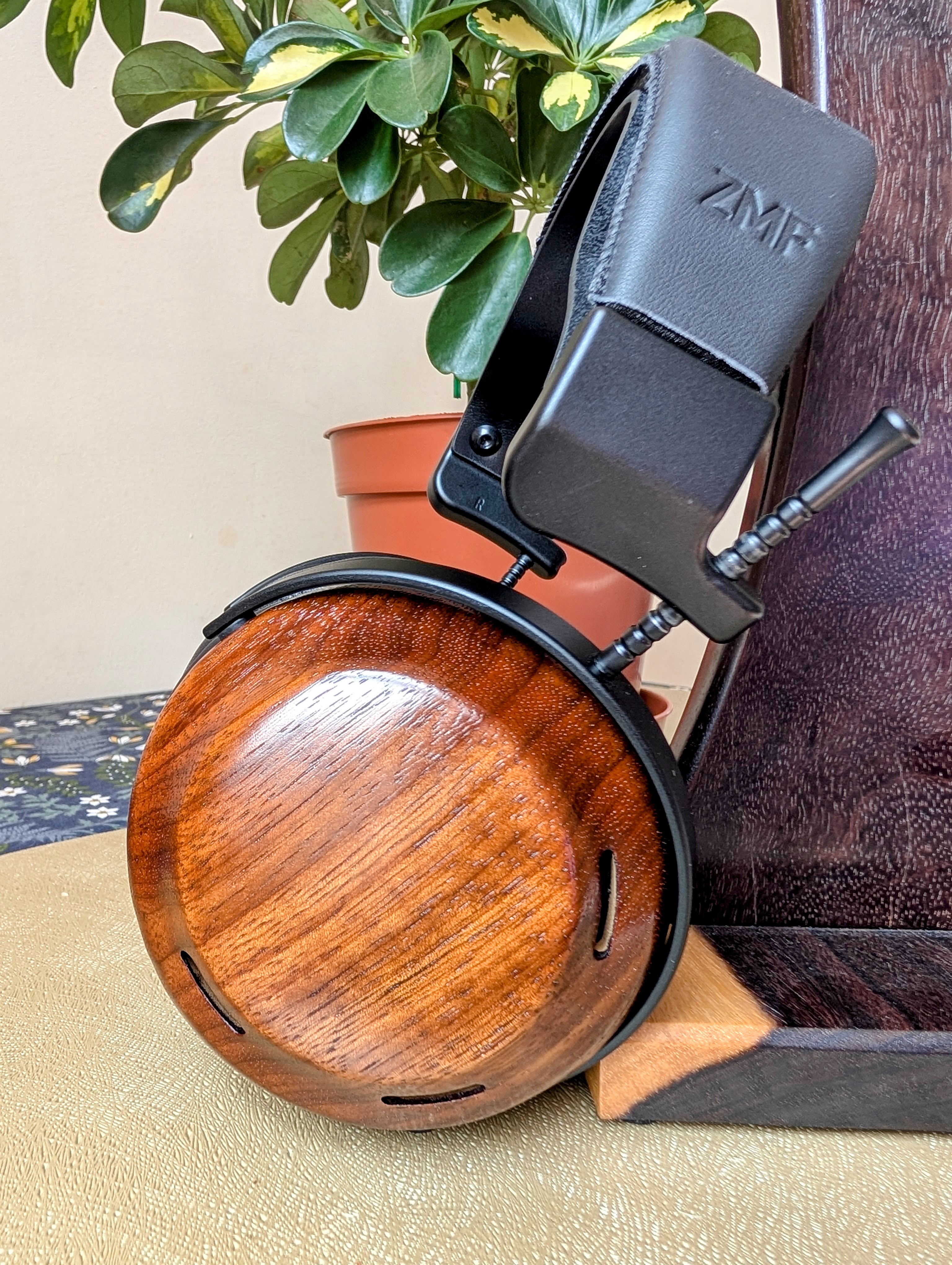
The new ZMF planar comes with a stock wood called ‘torrified limba’ (not to mix up with ‘terrified limbo’). Black Limba is actually not a hardwood, it is significantly softer and lighter than white oak. Torrefaction is a heat treatment process that alters the wood’s physical and chemical properties. This process removes moisture, oils, and other compounds, making the wood more stable, lighter, and often darker in colour. Torrefaction is used to improve the performance of wood, particularly in applications like guitar making, where stability and tonal qualities are important. (Wikipedia)
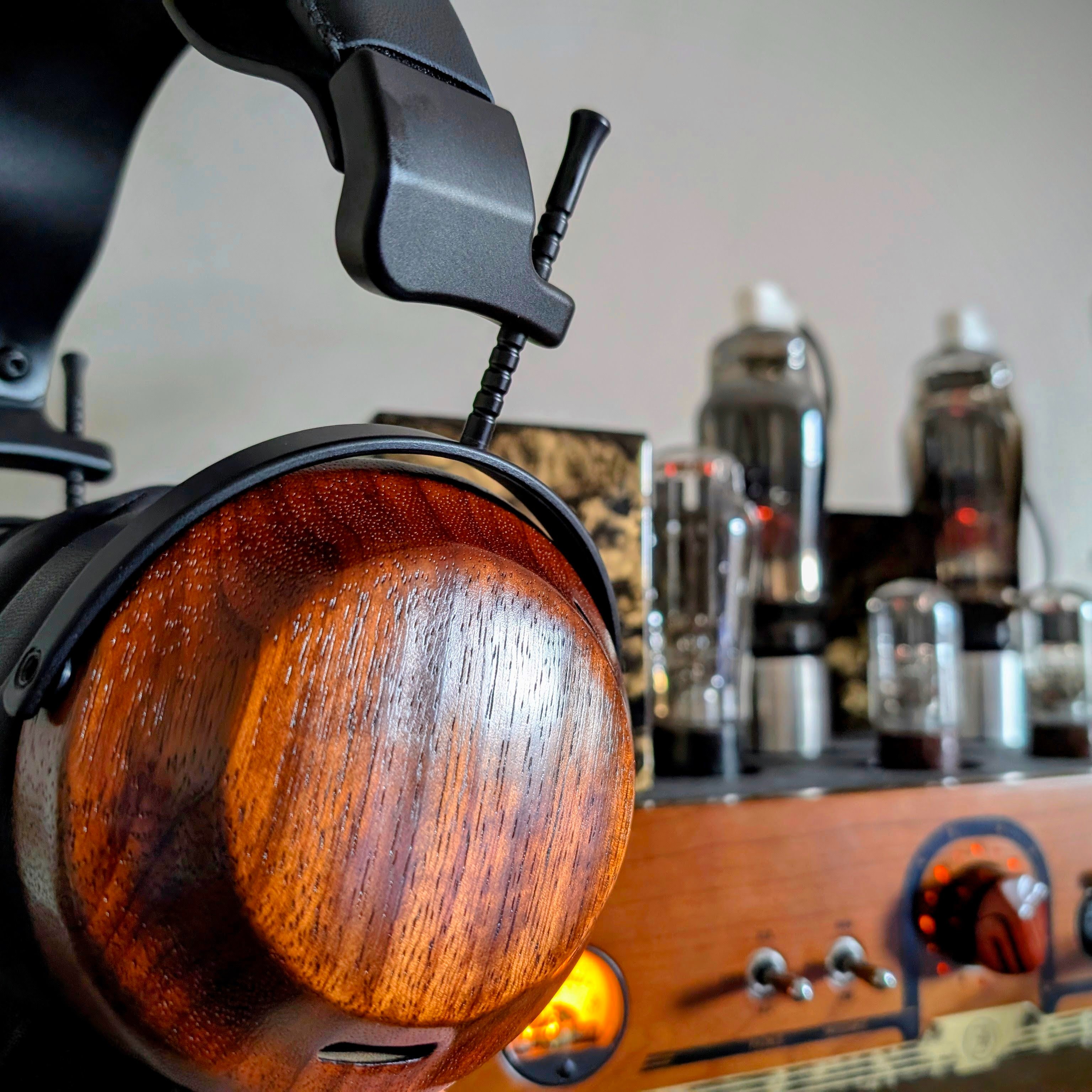
Lovely grain on the Limba.
Comfort, packaging, accessories
Despite the ‘terrifying’ heat treatment process, the Ori 3.0 is still on the heavier side with 580g on my scale. ZMF headphones can weigh anything between 480g ang 620g, but the vast majority of them are between 490g and 540g. The 580g starting weight of the Ori 3.0 with a light wood makes me wonder about future special editions and stabilised versions which tend to be on the higher end of the weight spectrum.
That said, weight is not everything when it comes to headphone comfort. Weight distribution and earpads play a crucial role in providing comfort. Despite the weight, I have always found ZMF headphones supremely comfortable. They have large and comfortable earpads with adequate clamping force and nicely padded headbands, especially with the ‘BBB strap’ (not default on the Ori 3.0). I had zero comfort issues with the Ori even after hours of listening, but I can imagine, getting close to 600g could be a deal breaker for some people.
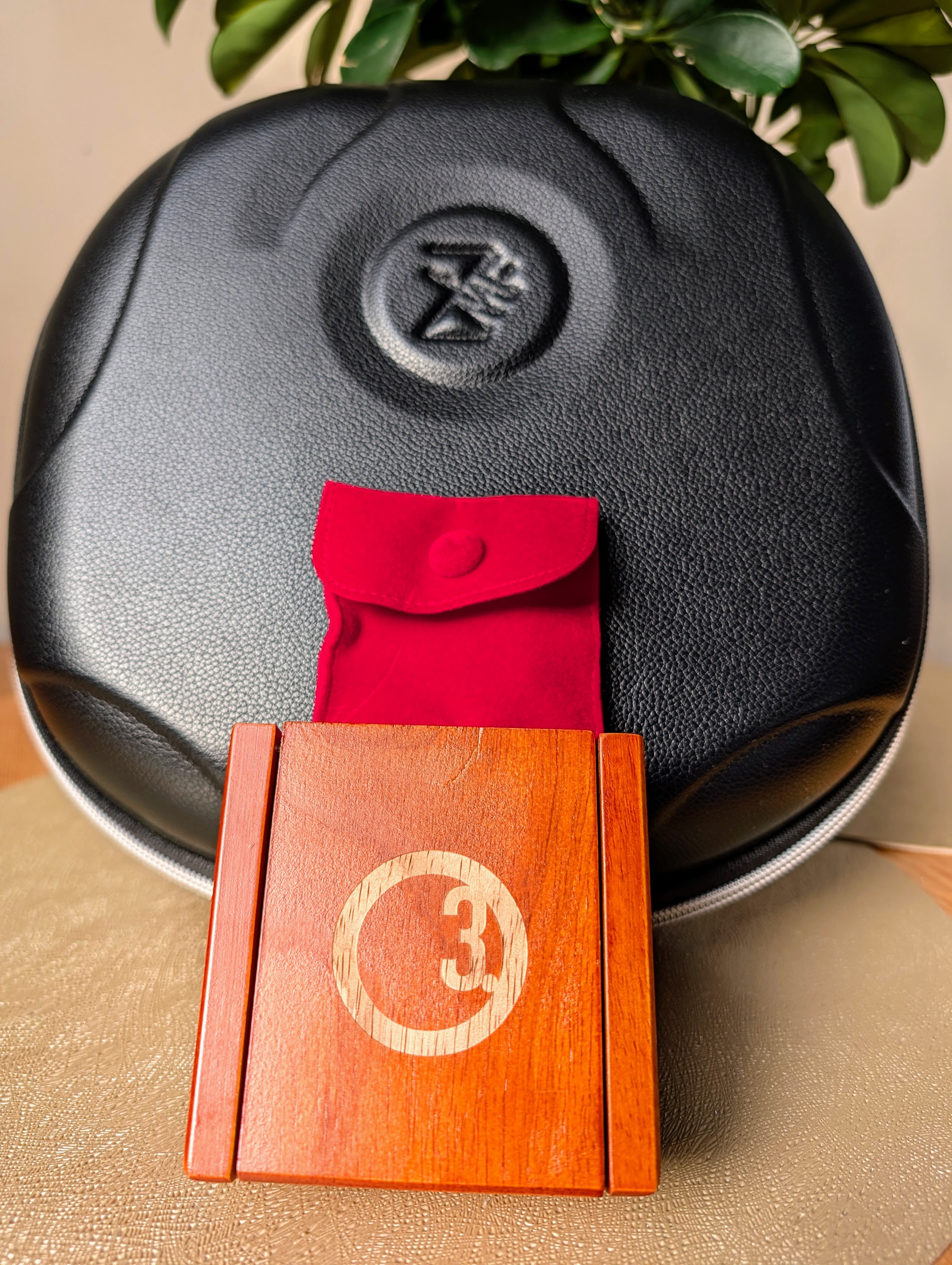
The little red bag in the cute wooden box contains the bass plugs. Early adopters will receive the box, later on the plugs will only come in the tiny red bag.
The headphones come in ZMF’s new carrying case which is fantastic: well-made and perfectly sized for any ZMF headphones.
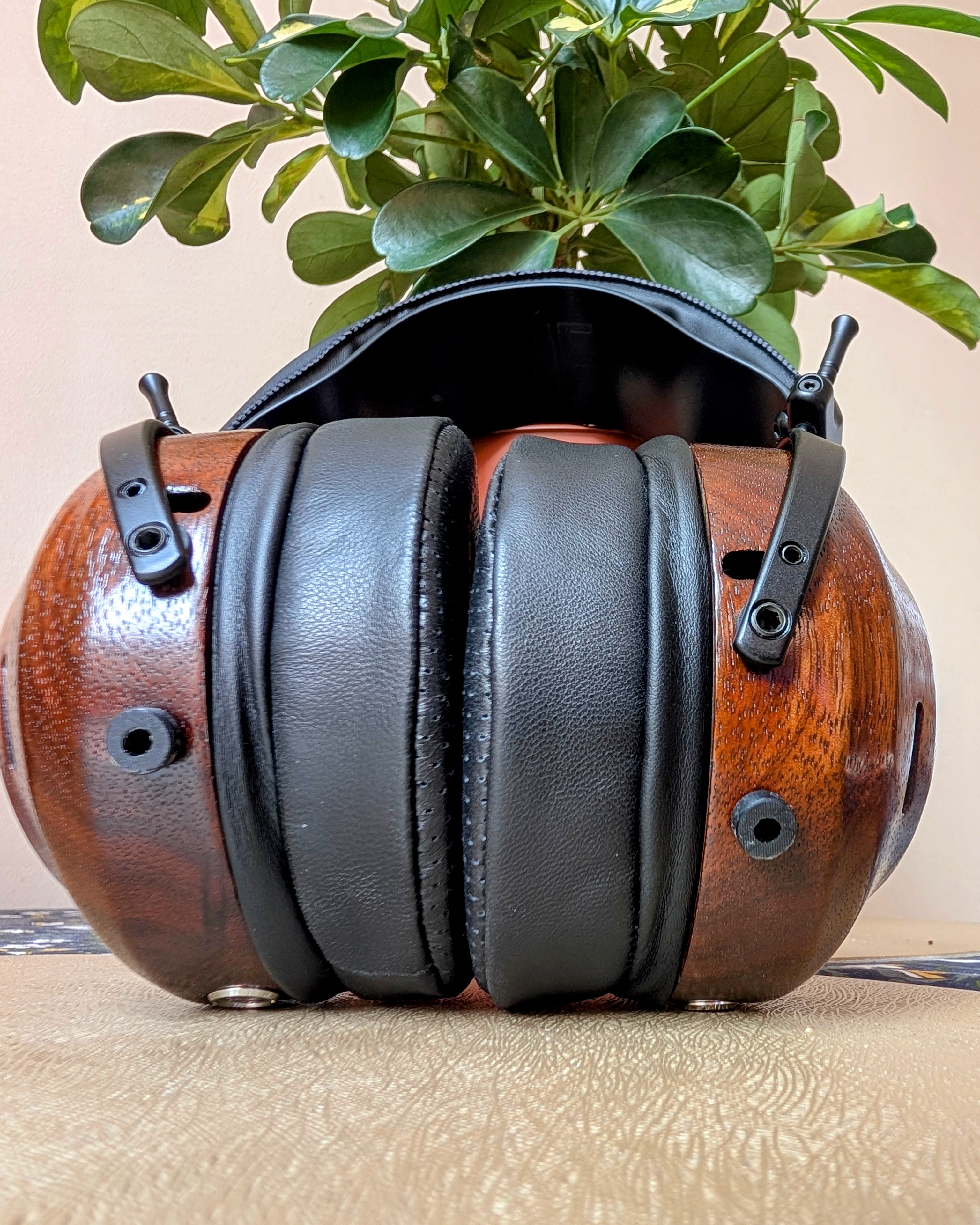
Top perforated, full leather pads are installed by default. Hybrid and full suede top perforated Caldera pads are available as alternatives.
Build quality is great; owning ZMF headphones is like owning handmade guitars.
General thoughts on ZMF sound
Zach doesn’t follow the Harman target as some holy scripture, which in my opinion is a good thing. Harman is an average preference curve, which many people tend to forget. How would the wine or whiskey industry look like if all the producers would strive to achieve the most averagely preferred flavours? We would head towards a rather boring world. In my opinion the Harman curve is useful for mass produced headphones but is (or should be) less relevant for high-end headphones. Small boutique headphone manufacturers should find their USP by creating an identity in tuning and sound profile. That is exactly what Zach and ZMF have done and looking at their growing sales figures they have done it well.
ZMF’s identity is in a more romantic tuning. They are not afraid of bass in general, which they combine with a supremely natural and organic tonality plus sublime note weight. This partially comes from the wooden cups but also from Zach’s frequency curve wizardry. Once I asked him what makes the ZMF sound unique and he said: “A lot of the ZMF sound has to do with the transient impulse, dynamic nature and the timbral characteristics. Not to say it doesn’t include FR stuff, like a slightly relaxed 3/6k area, but overall, the decay character and transient excitement with the relaxed upper mids make our headphones sound the way they do.”
All the ZMF headphones, including the Ori 3.0 sound organic, weighty and natural versus the competition. Keep this in mind, when I talk about specific ZMF models and compare them to each other. They all share some basic ZMF characteristics but excel in different areas.
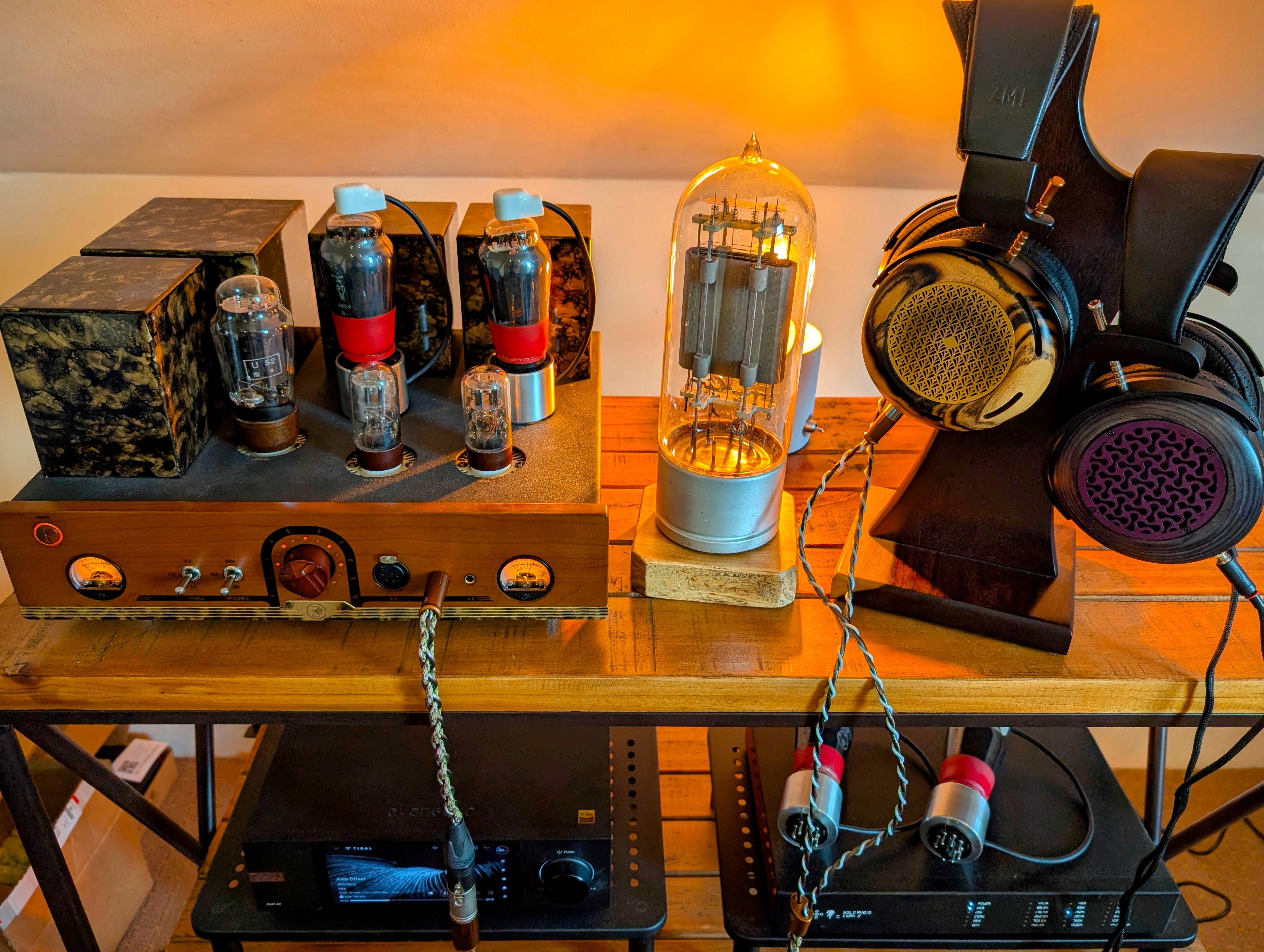
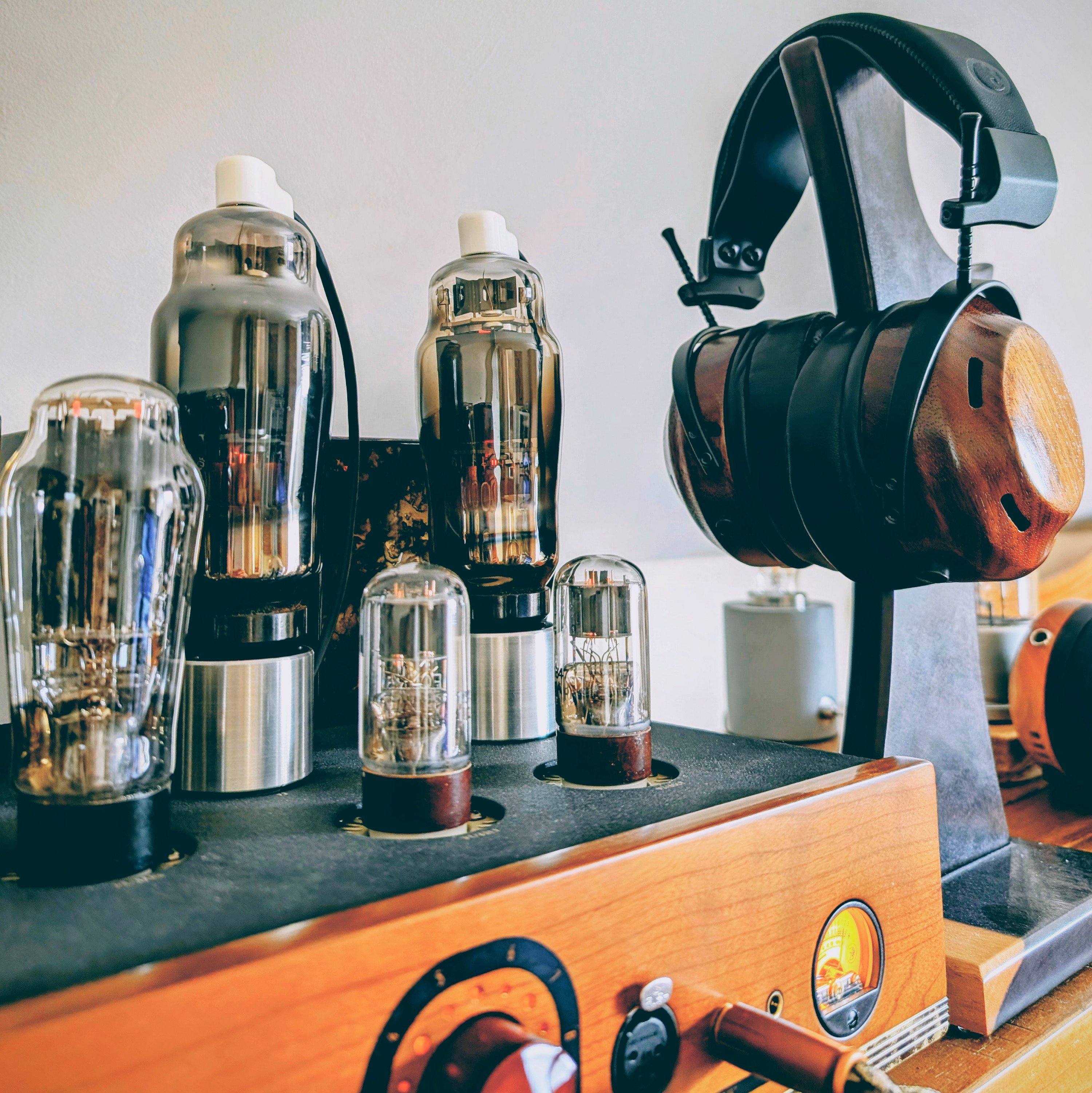
My main system. Eversolo A6 streamer with LPS upgrade, Cyan 2 DAC, ZMF Aegis amplifier with special tube rolls: Mullard 5U4G (thin base, black welded plates, pan getter), Mullard ECC35 (slim base, 1952), Philips EL51 (black base) or Philips EL50 (metal base) or Mullard EL50 (mesh plate, RAF certified). The Aegis works like a charm with all ZMF headphones.
Sound
So, how do the Ori 3.0 sound? In one sentence: they sound energetic, exciting, lively, and punchy — yet refined and balanced at the same time. When Zach told me these were tuned for fun with more-generous-than-usual bass, I expected a slightly unrefined bass cannon. Boy, was I wrong! The Ori 3.0 are indeed energetic headphones that want to grab your attention and entertain, but they offer much more refinement and far better balance than I anticipated. Bass quantity is adjustable with the plugs, and the planar transducers deliver refinement and great technicalities — a fun yet tasteful and punchy listen.
Technicalities
The Ori 3.0 are closed-back headphones, but they don’t sound closed at all! I normally dislike closed backs, with the exception of the Caldera Closed — and now, the Ori 3.0. To my ears, only these two sound spacious and natural enough that I can forget I’m listening to closed designs. (And I’ve tried the Stealth, E3, Rögnir Planar, Stellia, and other closed backs from Fostex, Meze, and so on.) In fact, thanks to their tuning, the Ori 3.0 might even sound cleaner and a little more open than the Caldera Closed. (Comparisons later.)
At first I thought this natural airiness, excellent depth, spaciousness and accurate imaging must be present because the Ori 3.0 is not even truly closed back. But then I tested for isolation and the Ori 3.0 really isolates well, as closed backs should. Zach said, the attenuation should be around 23-26 dB. I, who generally dislike all closed backs, could easily be tricked into believing that the Ori 3.0 are open backs. Imaging and 3D spaciousness are that good!
The Ori 3.0 carry the excellent ZMF timbre the brand is known for, but they sound a little leaner and more hard-hitting than the two Calderas. Tonally, the bass adds warmth while the treble is clean, clear, and slightly brighter — though still distinctly ZMF. There’s plenty of treble bite and impact, and speed is better than expected, fully on par with what $2K+ planars should deliver. Layering is also excellent: sounds appear convincingly throughout the 3D space. They aren’t quite as precise or refined as the Caldera, but they surpass the Atrium and Verité from a strictly technical point of view (not when it comes to timbre and tone).
Bass on the Ori 3.0 is certainly the highlight of the show. ZMF decided to install the full plugs as default on the stock model, but even with the holes fully plugged in, the Ori 3.0 has decent bass levels. This is the purest, most linear tuning of the Ori 3.0. My favourite plug selection is the ported plugs (plugs with the holes). This allows some extra venting, but not as much as going plugless. The ported plug on the Ori 3.0 for me just strikes the perfect balance: enhances bass a little bit, but still remains on tasteful grounds. The full plugs pull back bass in comparison which also makes the already energetic upper mids and treble even more pronounced. I found that the plug with the holes compensate for this area pretty well. Going plugless is still tasteful (never at Beats levels), but to me simply brings too much bass to the equation; the frequency curve becomes a bit bottom heavy.
The Ori bass is refined, punchy, digs deep like planars should, and has great body, weight and impact. The Ori 3.0 sets an example and standard of how good bass should be. These are the audiophile bass-head headphones with the ported plugs: never intrusive, never too much yet always fun. In my opinion there are more sophisticated headphones for classical music, but with the full plugs you could even listen to that genre and wouldn’t feel that the headphones are tonally out of balance. That said, to me the Ori 3.0 comes alive with the ported plugs and modern music where listeners appreciate bass punch, weight and extra energy.
Mids on the Ori 3.0 are signature ZMF mids. They sound natural with good timbre, and they are quite forward, yet well positioned. Mids here are not as full and lush as on the Caldera closed (not to mention the super lush and rich Atrium). Compared to other headphones in this price range the Ori mids are natural and organic, but within the ZMF kingdom other models offer even richer tones. Atrium (and Verité) with their dynamic drivers have lusher vocals and richer instrument textures, but at the expense of ultimate control and detail, bass and treble extension. Mids are clean and clear through the Kapton diaphragms and compared to something like the DCA E3 vocals on the Ori do come across as rich and organic.
Treble on the Ori 3.0 has some bite and continues the theme of an energetic and impactful presentation. Treble is still natural and clean, but this is an area where the two Calderas comfortably pull ahead. I would never call the Ori treble piercing or excessive, it has a natural edge that never bothers my ears or comes across sharp. Treble is lifelike, just not quite as smooth and natural as on the two Calderas. Treble energy is in balance with the rest of the punchy nature of these headphones. Claps and percussions sound natural on the Ori, but not quite as smooth and lifelike as on the top of the line Calderas. If I was forced to name a weakness in the Ori’s sound, I would probably mention the slightly less natural snapping sounds in the treble, although this is only obvious when we A/B compare the Ori to higher-end headphones like the Caldera, and that is not entirely fair.
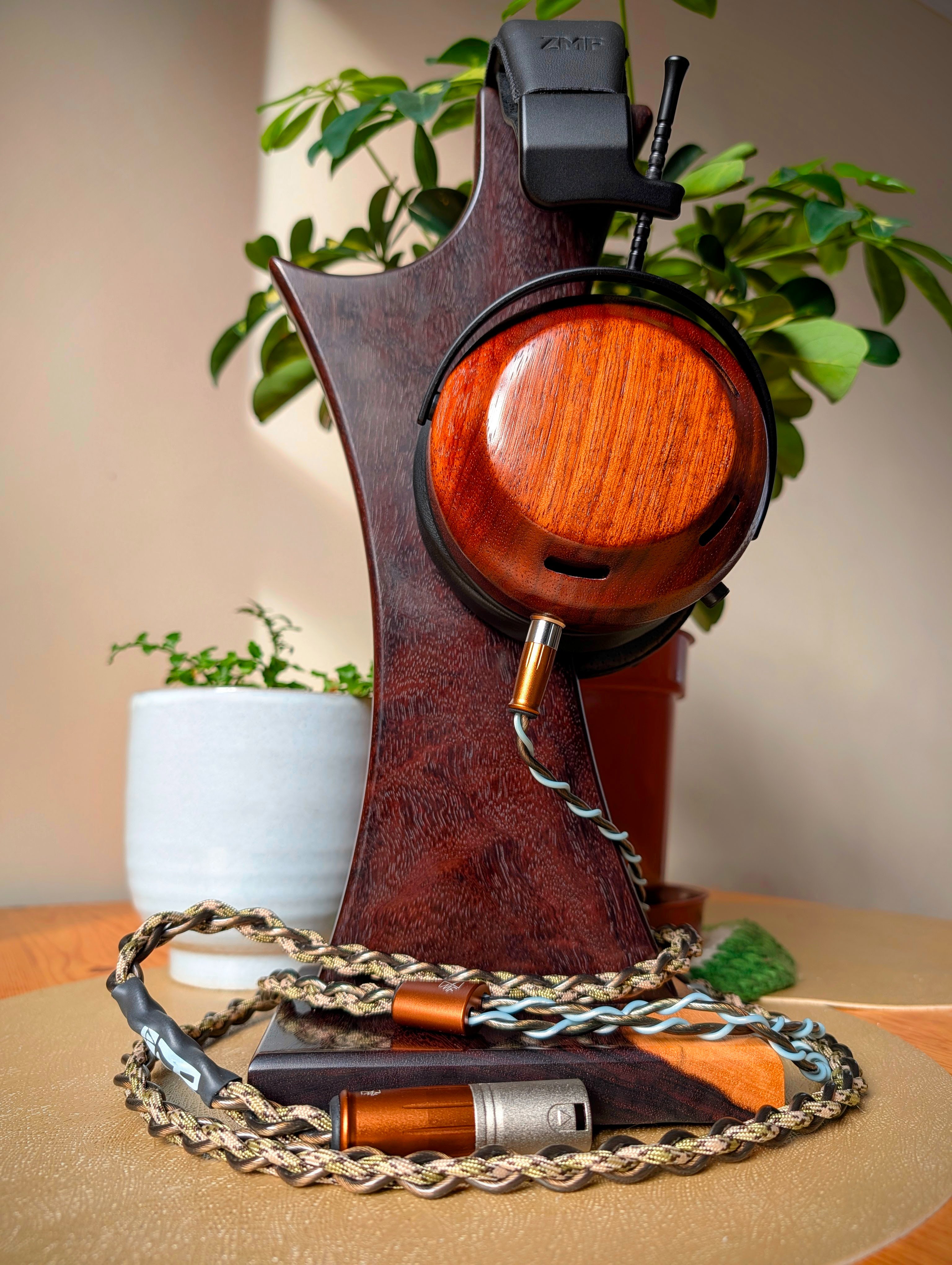
ZMF Grand Palladium cable: a great match with all ZMF headphones.
Earpads
We have already covered the tuning options with the plugs in the bass section, so let’s have a quick look at the earpads. The Ori 3.0 comes with the full leather, top-perforated Caldera pads by default. These earpads sound the cleanest, with the best dynamics and depth perception. All the other pads are top-perforated as well: the hybrids have suede inside with leather top and outside, and there are full suede pads as well.
The hybrids ever so slightly soften the upper-mid and treble energy, taming the lively dynamics just a bit. Upper registers sound a touch smoother as a result, while bass remains almost the same — just with a hint of a gentler impact. Since the Ori 3.0 has so much energy to begin with, I don’t consider these changes compromises, but rather benefits. On the Atrium and Caldera I tend to prefer full leather pads, but on the Bokeh and Ori I prefer hybrids. In fact, the Ori 3.0 shares quite a lot with the Bokeh Open when it comes to overall frequency tuning and energetic character. You could think of the Ori 3.0 as a much more refined and detailed Bokeh Open in terms of frequency balance, treble presentation and forwardness.

Theoretically you can use the Caldera Closed felt meshes on the Ori for extra front dampening, but it is not officially recommended.
The full suede pads on the Ori, as with all other ZMF headphones, are not my favourites. On the Ori specifically, they remove too much of the dynamics and clarity. Instead of smoothing out the sound, they make the presentation slightly hazy and decrease depth.
My preferred setup on the Ori 3.0 is the hybrid pads with the semi-open (ported) bass plugs. This combination comes closest to my Caldera open with thick leather pads. It delivers a bassy yet tasteful and balanced sound, while the hybrid pads gently smooth out the forward upper registers. For energetic EDM I would still swap back to the leather pads, but I think that the hybrid pads make the Ori’s presentation more consumable for a wider audience.

Comparisons
To have an even better understanding of the Ori’s sound and where they stand in the current ZMF line up, let’s see some comparisons.
Competition from other brands at the same price point
This $2,000 price segment lately has filled up quite nicely. There used to be a gap between $1K-$1,5K headphones and flagships that start around $3K-$4K. This is no longer the case, as numerous manufacturers released models around this price after recognising the gap. There is the Meze POET (or Liric 2), the DCA E3, ModHouse Tungsten, HiFiMan HE1000SE or Unveiled, HEDDPhone Two, Abyss JOAL or even the Focal Stellia. I realise that many of these headphones are open backs, but the Ori 3.0 sounds so naturally open that they are actually comparable. If I had to stay with closed backs only, then the E3 and Liric 2 would remain as main competitors. I find the E3 technically competent, but rather neutral and tonally not the most exciting or engaging. Also, while the E3 sounds relatively airy for closed backs, they are not quite as naturally spacious as the Ori. The Ori is more exciting, energetic, forward with better timbre.
I quite like the Liric 2, but the Ori simply sounds a class above. The Liric 2 sounds smaller and more laid back in comparison, but the Ori is technically a level up and to my ears beats the Liric 2 in pretty much everything. The only reason I could imagine someone picking the (otherwise decent) Liric 2, is if they would really dislike the energetic nature of the Ori. Between these three closed backs, the Ori wins my ears embarrassingly easily.
When it comes to open back headphones in the same price category, taste might play a bigger role. The HiFiMan HE1000SE or Unveiled versions will sound more detailed than the Ori and more evenly balanced throughout the frequency spectrum. Some might prefer that tuning. HiFiMan sound is also lighter and airier than ZMF in general. HiFiMan headphones will never punch you in the face as much as the Ori can.
I didn’t particularly enjoy the Meze POET (but I love the Meze Elite). In my opinion the Ori 3.0 is simply a better headphone than the POET. The Ori is technically more capable with better separation and much better stage depth, imaging and layering. Plus, they have ZMF timbre.
The HEDDPhone Two sounds more like an excellent studio monitor, it almost feels like those headphones were made for a completely different purpose. (I am yet to hear the new GT version which is said to be tuned warmer). I really enjoyed the Abyss JOAL, I think those are great for the money with good tonality and adequate technicalities for the price point. The JOAL sounds a little more polite and balanced, a little softer versus the Ori. That said, pretty much anything will sound less energetic and less bouncy in comparison to the Ori. The choice here could be a matter of taste, but I can also see both headphones in the same collection.
The ModHouse Tungstens are sold at a similar price as well. Those are fantastic sounding headphones and one of the best values on the current market. It is a shame that the lead time is still around eight months and you also have to pick your amplifier very carefully if you want to hear what the Tungstens can really do. To my ears a well driven Tungsten DD edges out the Ori 3.0 in overall performance, refinement and balance. That said, the Tungstens are open backs and hard to drive: the audience will be pretty different.
The Focal Stellia is a more expensive pair that in my opinion sounds much inferior to the Ori. I am not really a fan of the Stellia, and I do struggle to find anything that the Stellia does better than the Ori.
The Ori also sounds a class above any Fostex or Denon.
Versus Atrium and Verité
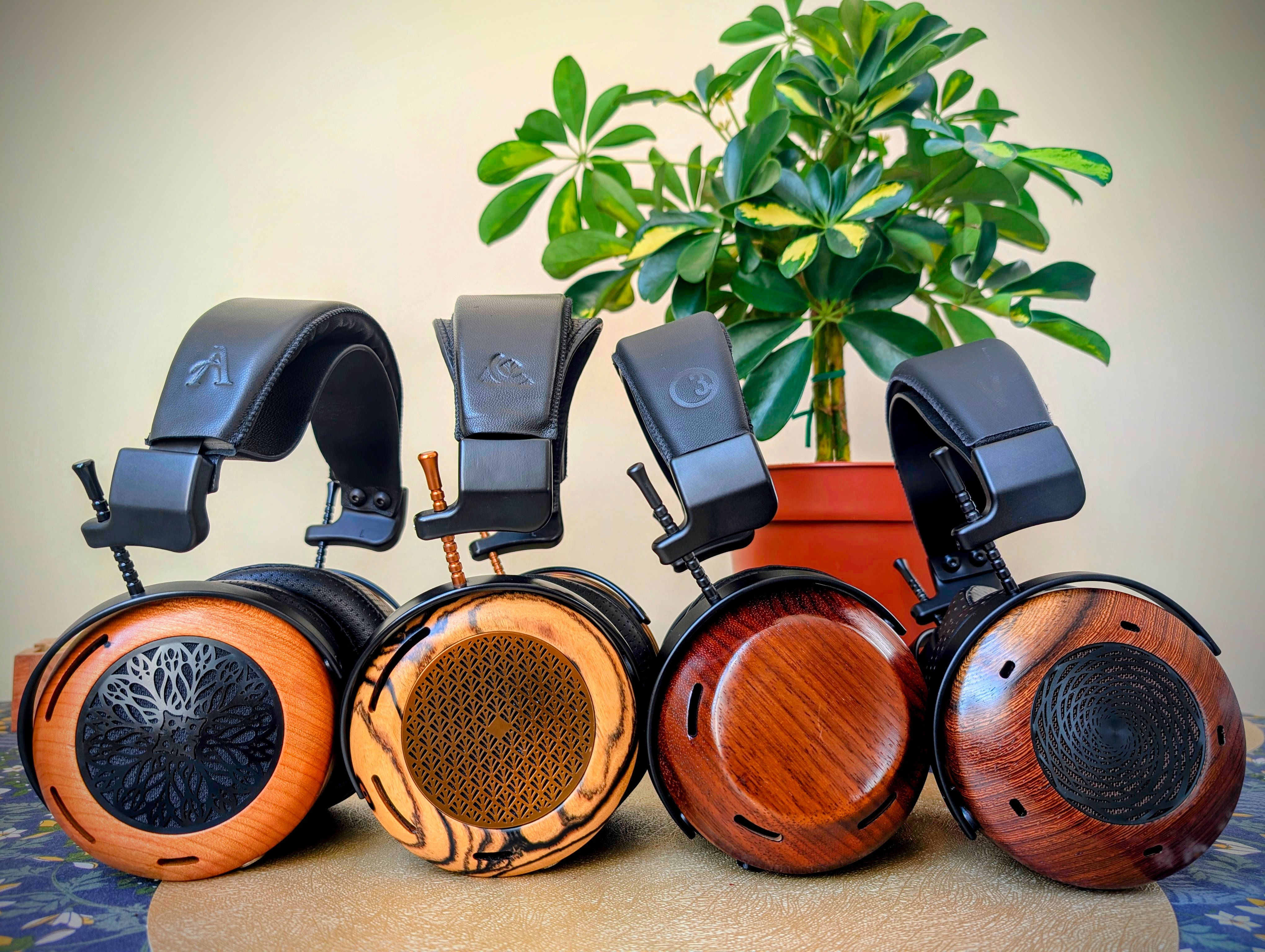
These dynamic driver ZMF headphones are not much more expensive than the Ori, so the valid question might arise: how do they compare? First of all, I should mention that I currently only have the open versions of the Atrium and Verité at home, but I’ve heard the closed-back versions several times. We cannot forget that both the Atrium (biocellulose) and Verité (beryllium/polyethylene) use dynamic drivers, which inherently sound very different from planars. The Atrium is famously lush, rich, and excels in the midrange. Atriums also have a big bass — bigger than the Ori 3.0 — until you completely unplug the Ori.
The new ZMF planar sounds more controlled and detailed in general, but especially when it comes to bass performance. Atrium wins on lush and rich timbre, but otherwise the Ori is technically more capable, thanks to the planar transducers. It is the same case with the Verité; however, the beryllium-coated diaphragms narrow the gap when it comes to high-frequency definition and detail. In my opinion, the choice should come down to preferred music genres. When listening to mid-centric vocal or acoustic music, I would reach for the Atrium. With modern, energetic music genres the lush dynamic drivers cannot compete with the Ori’s planar punch, extension and excitement.
Versus Caldera open and closed
Is it worth stretching the budget to a Caldera closed or the Ori 3.0 should be sufficient? A question that many potential ZMF customers might face.
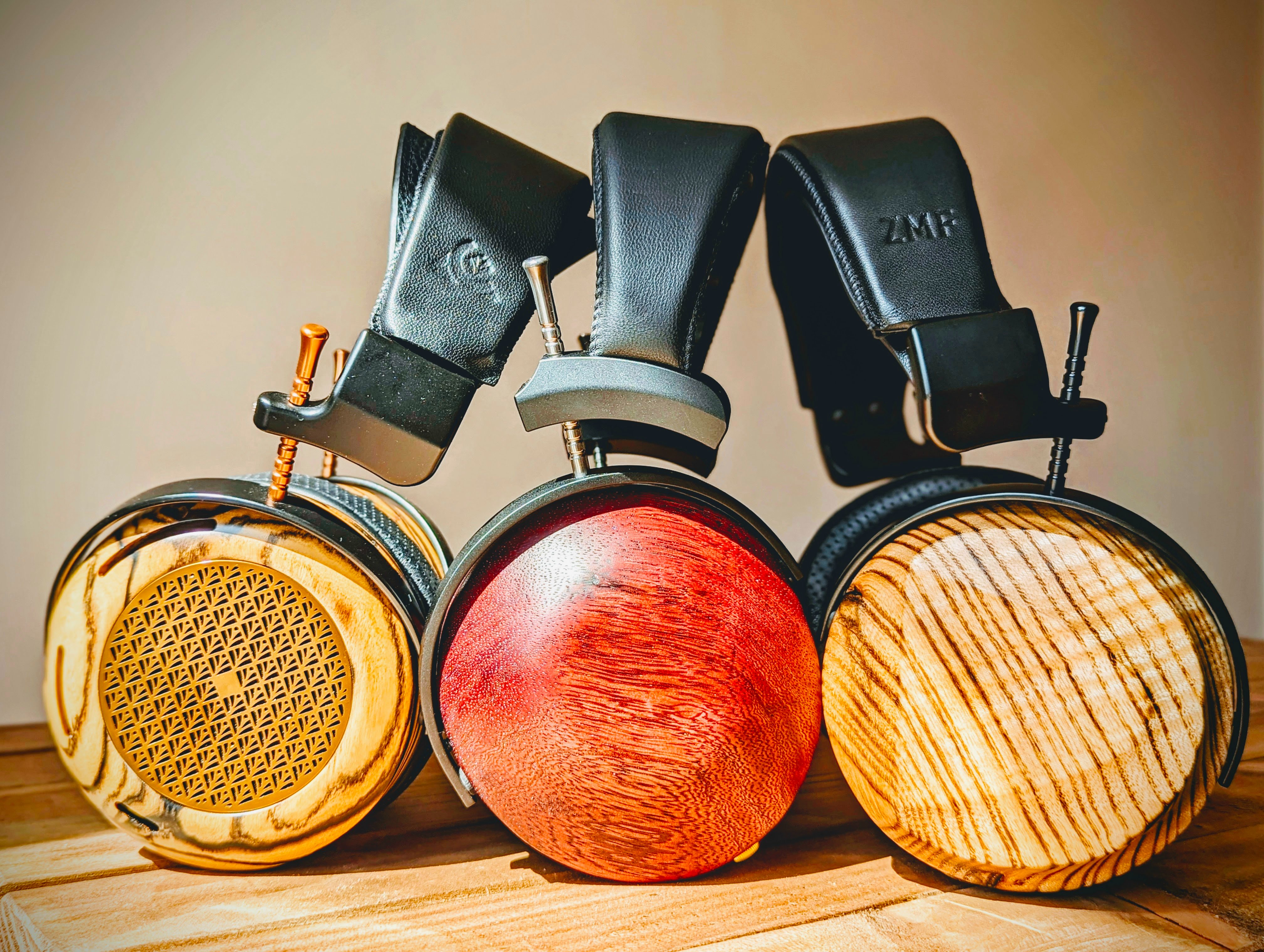
I love both Calderas, but my preference lies with the open version. To me the Caldera open sounds airier, faster and more detailed than the Caldera closed. Others prefer the slightly warmer and more intimate sound of the Caldera closed. While I consider the Caldera closed the best closed back headphones on the current market, I would pick the Caldera open any day for their openness and extra refinement.
The Ori comes impressively close, but both Calderas offer better microdynamics, richer mids and more natural, smoother treble presentation. The Calderas are already quite lively headphones, but they sound smooth, relaxed and laid back versus the Ori. Ori sounds a bit leaner in direct comparison, but slams and punches harder. Ori is always energetic, like a restless kid. The pricier ZMF planars offer a more mature, fuller and more complete listening experience. I love the hard-hitting bass punch and energy on the Ori versus the slightly softer impact on the Caldera, but the combination of richer mids, more lifelike treble and better overall balance still lead to a comfortable win for the ZMF TOTLs. To my ears, the amazing Ori with all the macrodynamics is luckily not quite enough to shake the throne of the ultimate ZMF headphones: the Calderas are safe.
When I start my listening session with the Ori, I am not missing anything from the Caldera’s extra refinement, more natural timbre or more effortless flow. If someone cannot or doesn’t want to stretch to the Caldera, they could be entirely happy with the Ori. That said, I value the extra refinement, better balance and smoother, even more natural upper frequencies of the Calderas. Ori sounds super fun, but putting the Caldera back on my head feels like a warm hug after coming home.
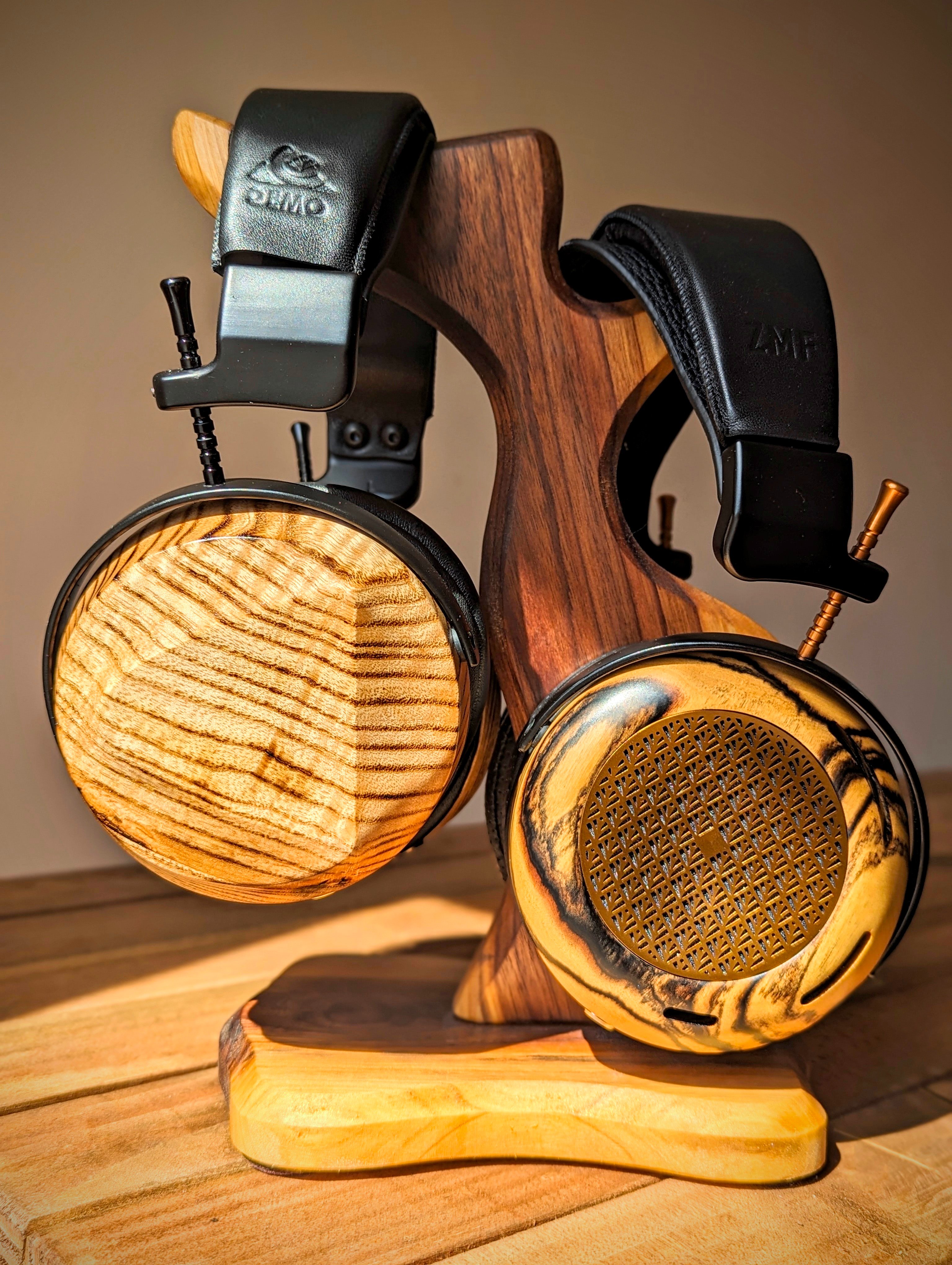
Some example tracks
 Fahrenhaidt – Run: Clap sounds are fine for the price point, but not quite as lifelike as on the top-of-the-line Caldera.Suduaya – Vishuddha: Clap sounds again, where Caldera comfortably pulls ahead with more naturalness.Gamarna – Ramunder: Upper-mid/treble area can get a little too intense and forward on the Ori after longer listening sessions.Boris Brejcha – Blue Lake: Good quality, thumpy bass that hits with authority and is a lot of fun.Vibrasphere – Ensueno: Treble energy is not fatiguing in the traditional sense, but the intensity can get a bit too much after a while.Minimal Animal – Krumelur: Brain shaking bass goodness with the correct plug and vacuum tube settings.Shpongle – Museum of Consciousness: This whole album sounds awesome on the Ori, great bass, good 3D positioning and good timbre. One thing that I noticed for example in the Juggling Molecules track is that Ori (after 2.45) can’t keep the super-busy passages in the higher registers quite as clean as the Calderas can.London Mozart Players – Vivaldi “Spring”: Ori does not do a bad job, but violins feel a bit forward and slightly overemphasised. There are more balanced and more spacious sounding headphones out there for orchestral pieces (Susvara).Pomme – Pauline: Vocals are fine, ZMF signature timbre is there thanks to the wood cups. That said, Caldera offers smoother and richer vocal tones; not to mention the Atrium’s lushness.
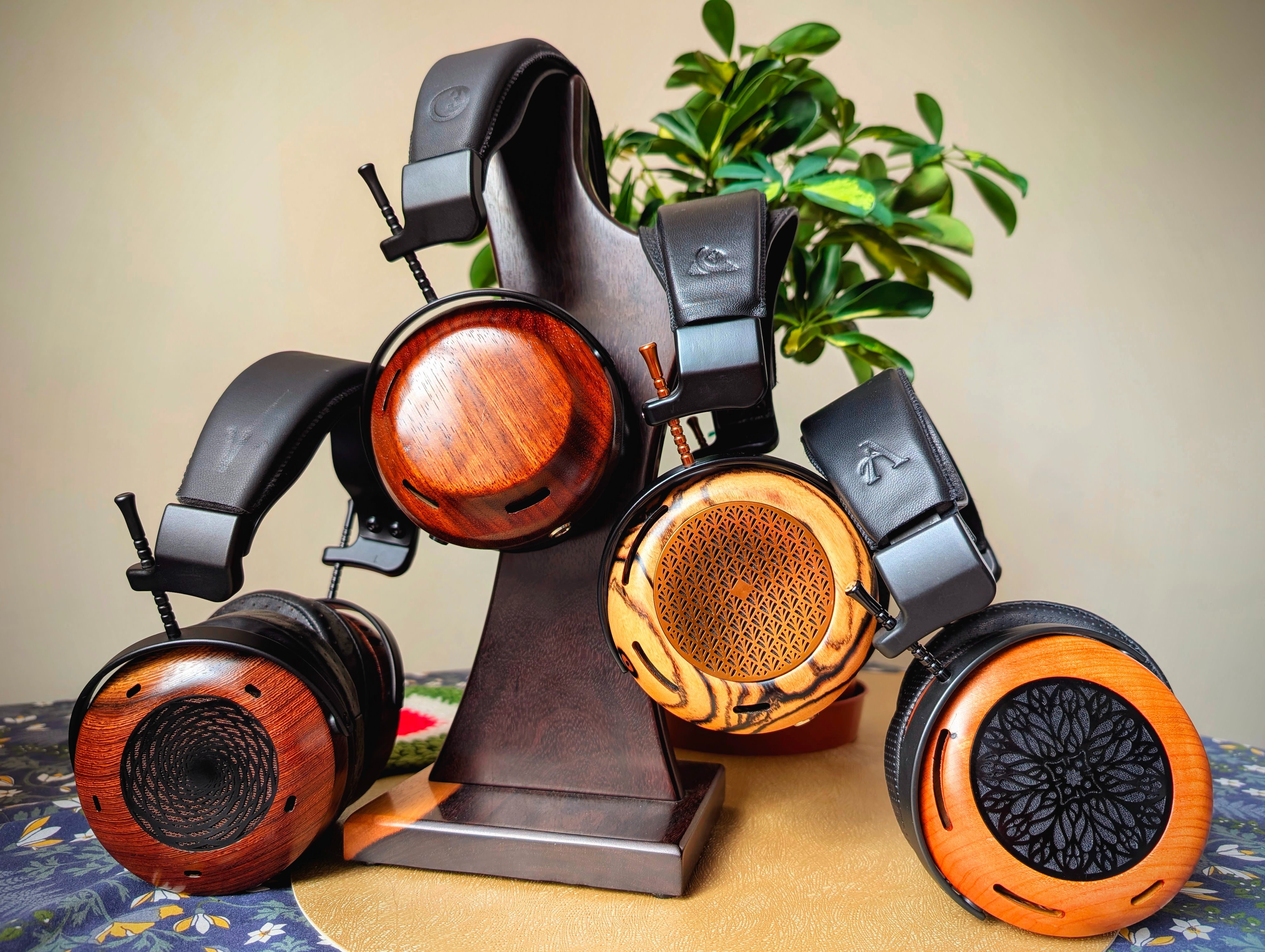
Conclusion
The Ori 3.0 struck me by surprise in a positive way. They are much more refined and balanced, a lot more tasteful than I expected. There is a good amount of bass, but not like on bass-heavy consumer headphones. This bass is tasteful, refined, detailed — and adjustable! For me, the Ori 3.0 would be the easiest pick in the $2,000 price segment, a winner I’d choose without hesitation. They don’t sound closed, yet they isolate. You get planar technicalities but with ZMF timbre. 3D positioning is excellent. They don’t quite have the refinement, fullness, and effortless naturalness of the Caldera, but they offer better punch and more excitement in exchange. The only drawback I can think of is the very strength of the Ori: their punchy and energetic nature might be too much for some. Even on my tube amp, I found myself reaching for warmer and smoother tube combinations to compensate for this forward energy. I think, on some solid-state amplifiers, this energy could become too much of a good thing. The Ori 3.0 is not your relaxing type of headphones that help you fall asleep. They entertain — and they do it loudly, without any shame. Their very strength could also be their Achilles heel: like many other fantastic things in life, they’re best enjoyed in moderation. I love a good couple of hours with the Ori, but then prefer to switch to something more relaxed, like the Caldera (I never thought I would call the Caldera “relaxed” one day). This isn’t because the Ori ever hurt my ears — they never do — it’s just that the sheer energy of the experience becomes a little overwhelming after some time. No one can sit on a roller coaster all day, despite it being one of the most fun experiences. That said, the Ori is the best roller coaster I have ever experienced and quickly became my second favourite ZMF headphones behind the Caldera open. I am highly tempted to purchase a pair.