Pros: – great design and build quality
– magnetic pad swapping system: best in the industry
– sliding adjustment rods: best in the industry
– nice stock cable
Cons: – sound lacks some coherence and balance
– small and relatively shallow soundstage
– imaging and layering abilities are not the most competitive for the price
– overall technical performance falls short of the $2,000 benchmark
Disclaimer:
Meze Audio has kindly provided this review unit for two weeks, in exchange for my honest opinion.
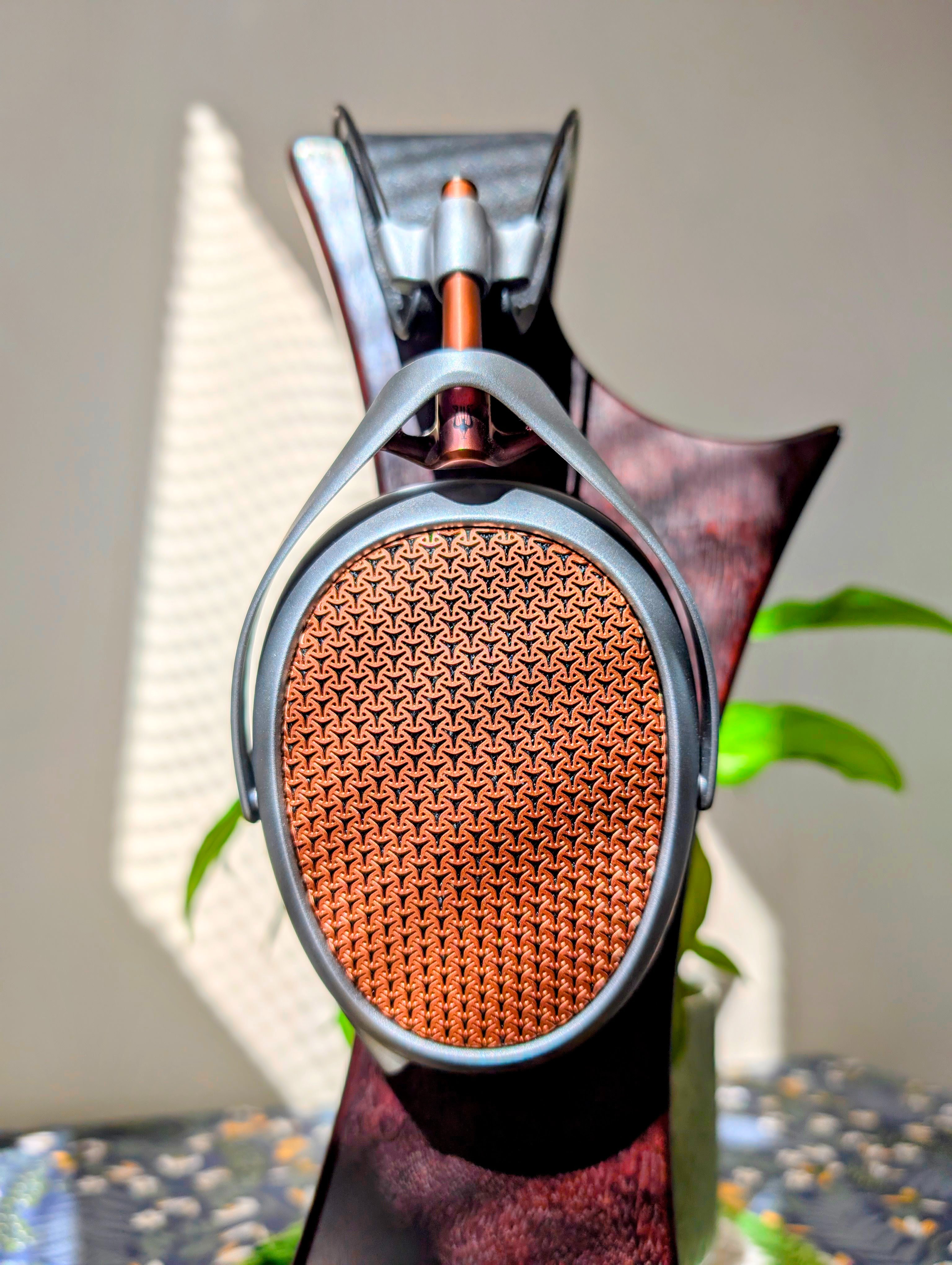
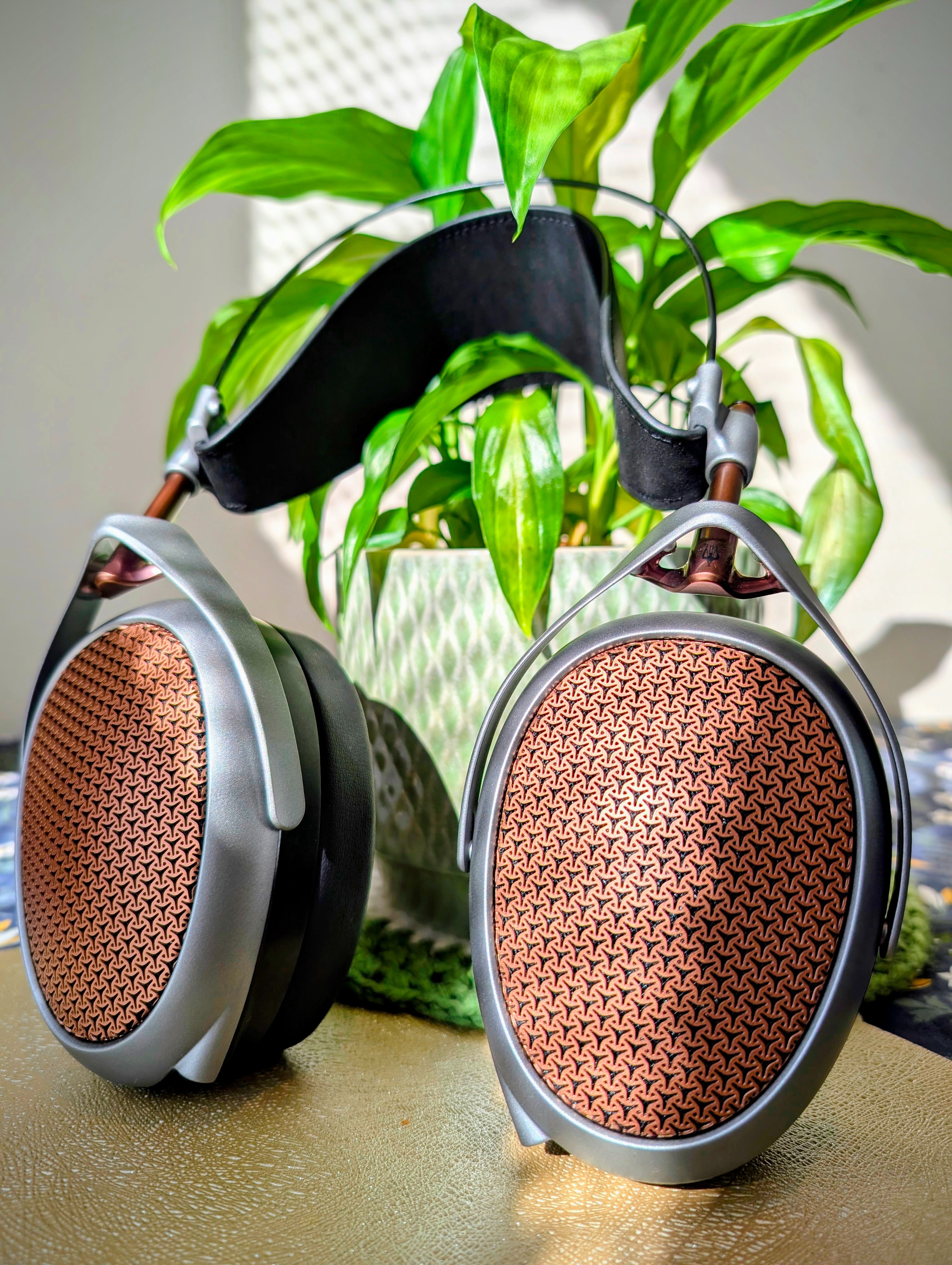
What is the Meze POET?
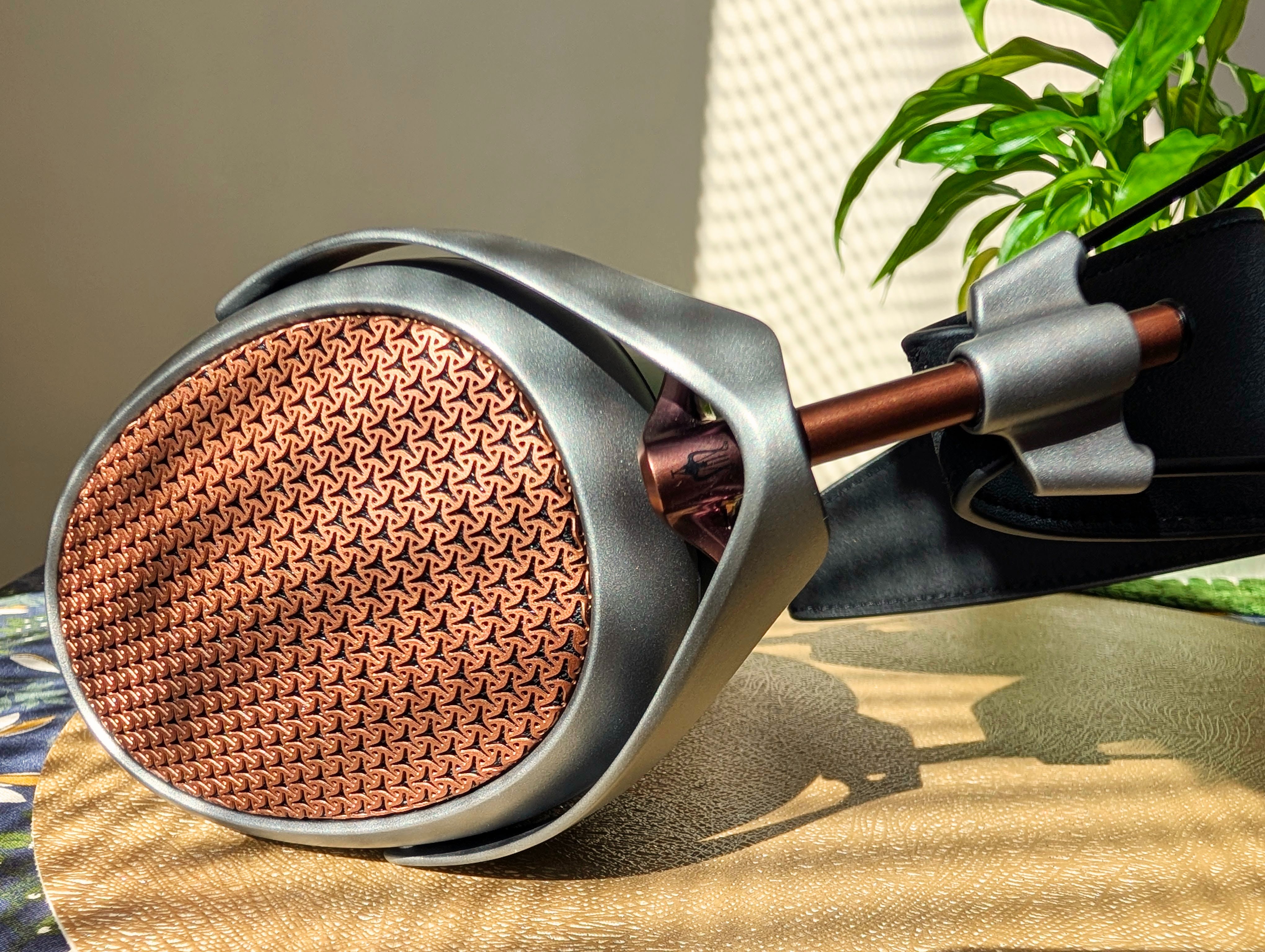
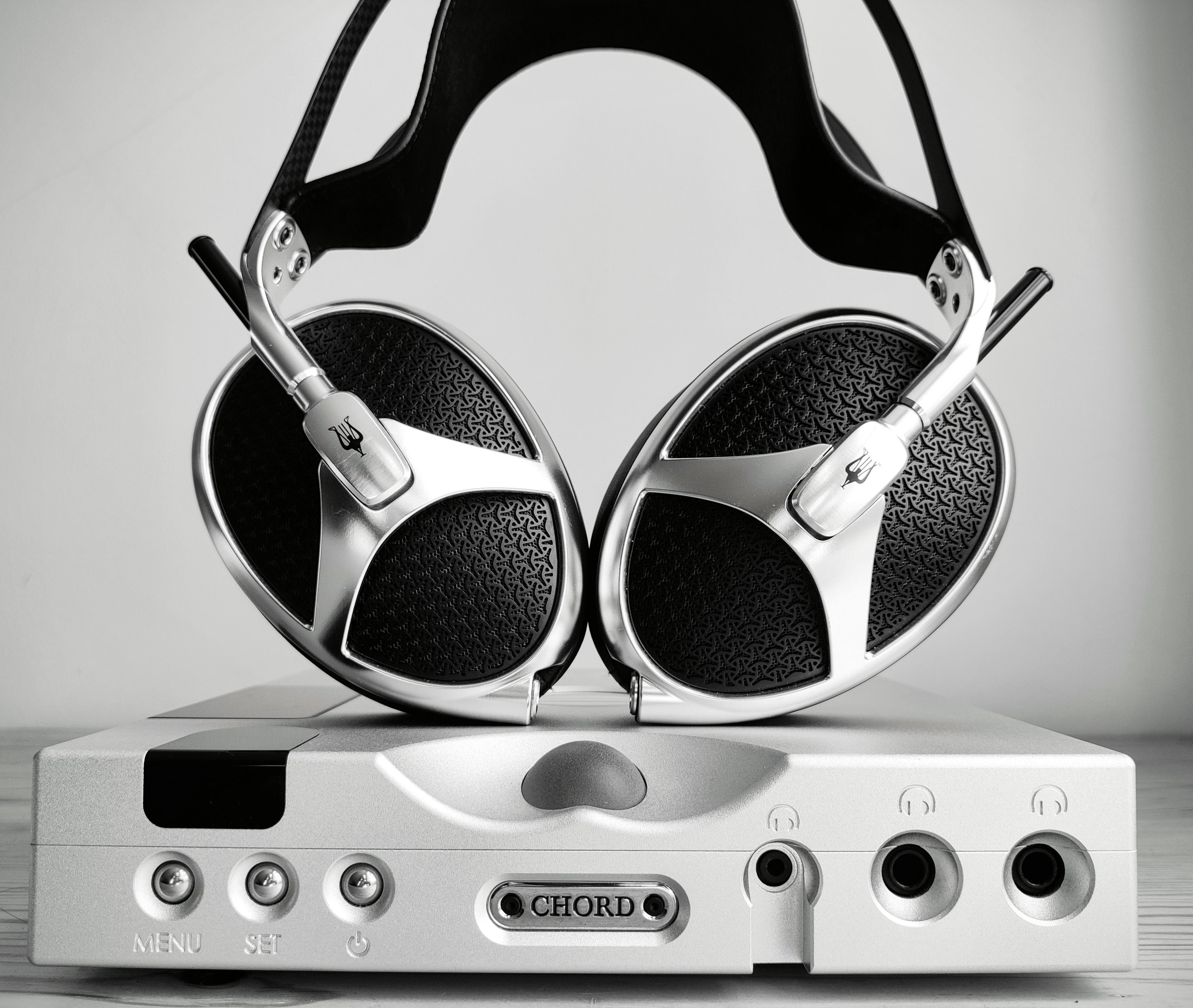
The Meze POET is Meze Audio’s latest full-size, planar magnetic (isodynamic) open-back headphone. It is positioned beside the closed-back Liric 2 as an open-back alternative for £1,899 ($2,000). The POET is not simply an open-back Liric 2 — the transducers (MZ6) in Meze’s latest creation are completely new, borrowing elements from both the Elite (MZ3E) and Liric 2 (MZ4) transducers made by Rinaro. The diaphragm is the same ‘Parus’ as in the flagship Elite, but the driver enclosure is smaller — the same size as in the Liric. This results in a 25% smaller active diaphragm area versus the Elite or Empyrean, which leads to major sonic differences that I will touch on later. The magnet structure and some other elements are completely new and unique to the POET.
This $2,000 price segment is an interesting one. For years, there weren’t many models in this range — most offerings were either around $1K–$1.5K or jumped straight to $4K+flagships. I’m delighted to see more manufacturers releasing models in this category. In my opinion, $2K could be a sweet spot for price/performance ratio: there are many audio enthusiasts who long for more than what $1K headphones can offer yet cannot quite stretch to flagship prices.
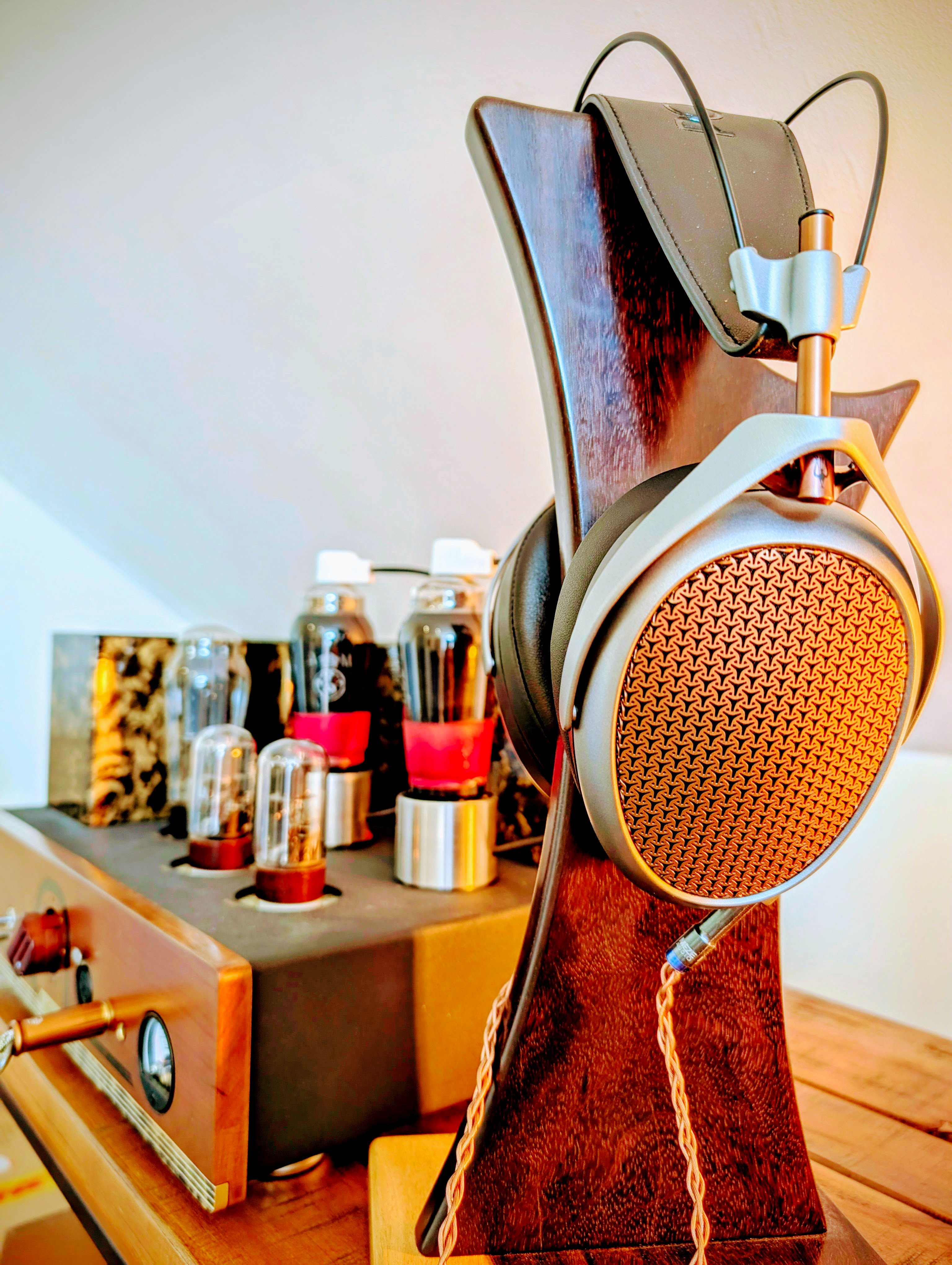
Gear & a little background
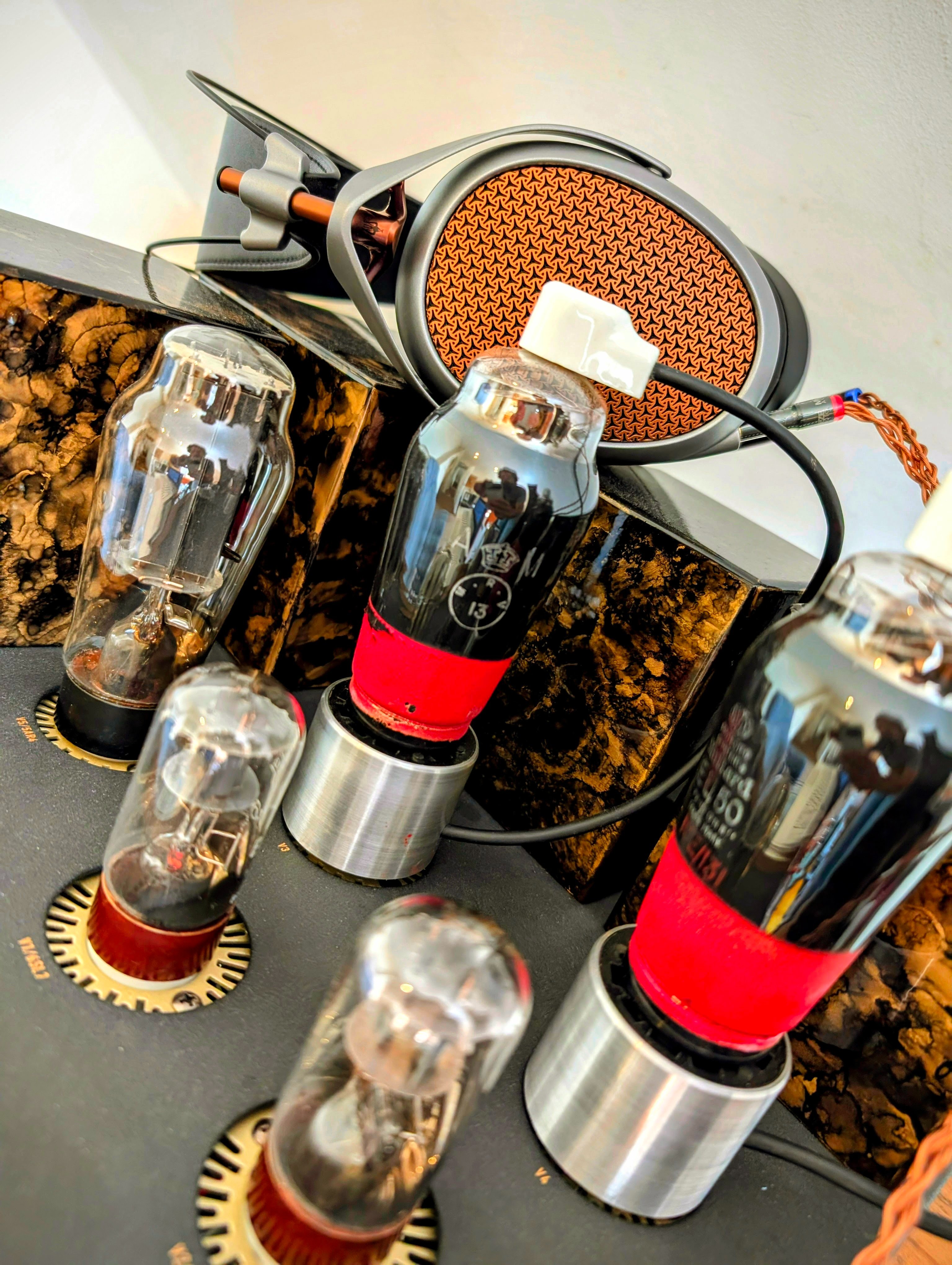
The gear I used for this evaluation was my LPS upgraded EverSolo A6 streamer (running Tidal and local FLAC), my Holo Cyan 2 (with upgrade fuse) and my ZMF Aegis tube amplifier with the following rare NOS tube set: Mullard 5U4G (thin base, welded plates, pan getter; Mullard ECC35 (slim base); Mullard EL50 (red coating, full mesh plate, RAF certified military grade). Without going into details, this tube set elevates the Aegis’s performance quite significantly. There is a larger stage with more depth, more accurate layering, better tonality, increased dynamics and details versus the stock set.
The POET are very efficient headphones at 55 Ω and 101 dB sensitivity. They’re easy to drive from portable devices and small enough to be travel companions on holidays or lonely business trips. That said, like most efficient headphones I’ve tried, they still benefit from proper desktop amplification (and vacuum tubes).
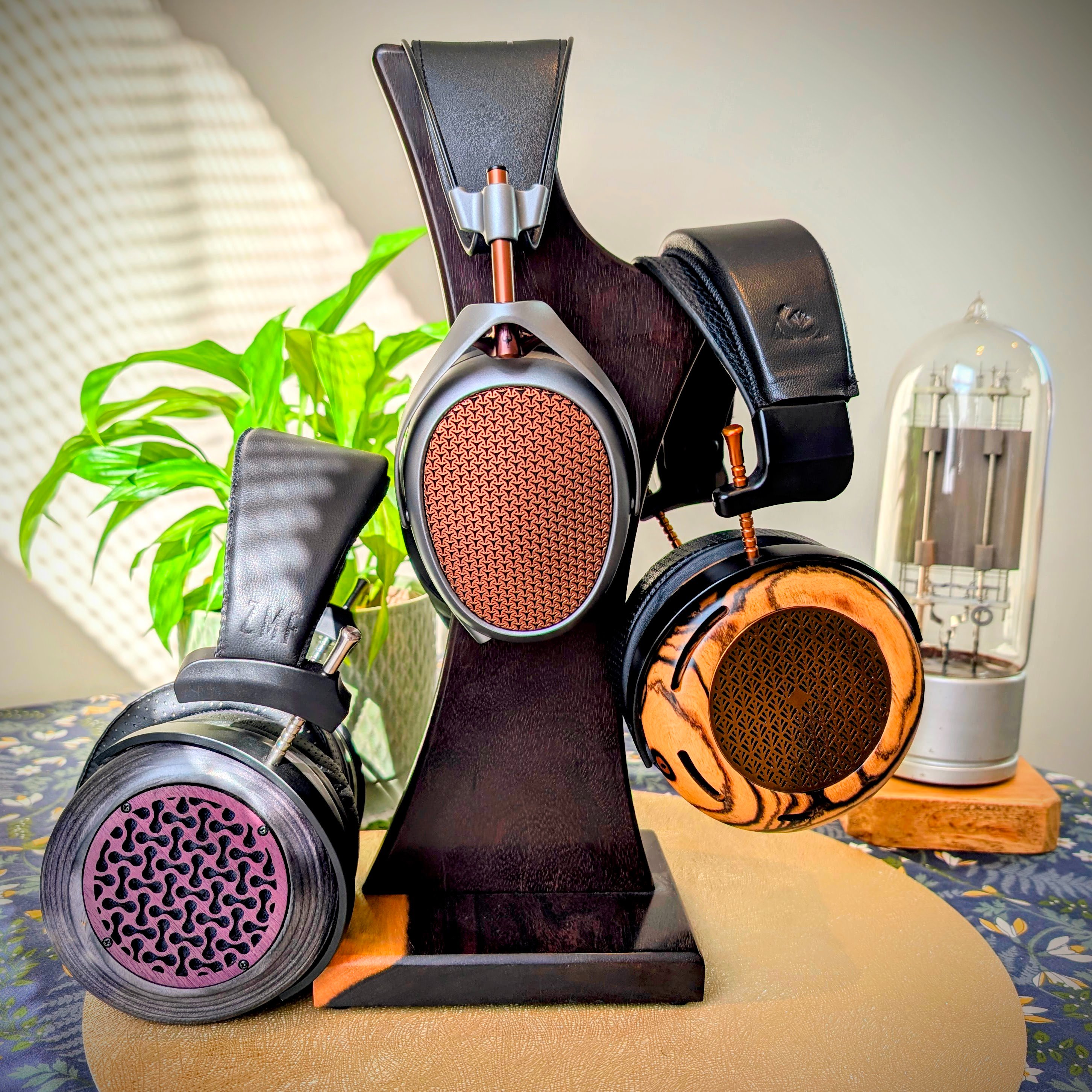
To give you a quick idea where I am coming from as a reviewer, let me just mention that after more than two happy years with the fantastic Meze Elite, these days my daily driver is a pair of beautiful ZMF Caldera Open headphones. I really enjoy both Meze and ZMF flagship headphones — they’re among my very few all-time favourites. I’m also lucky to have several review or demo units regularly come and go, so I can stay up to date with the market.
Based on impressions I read, I expected the POET to sound like a smaller, still warm and smooth “mini-Empyrean”. Reality didn’t quite meet that expectation — let’s see why.
Packaging, accessories, comfort, build quality
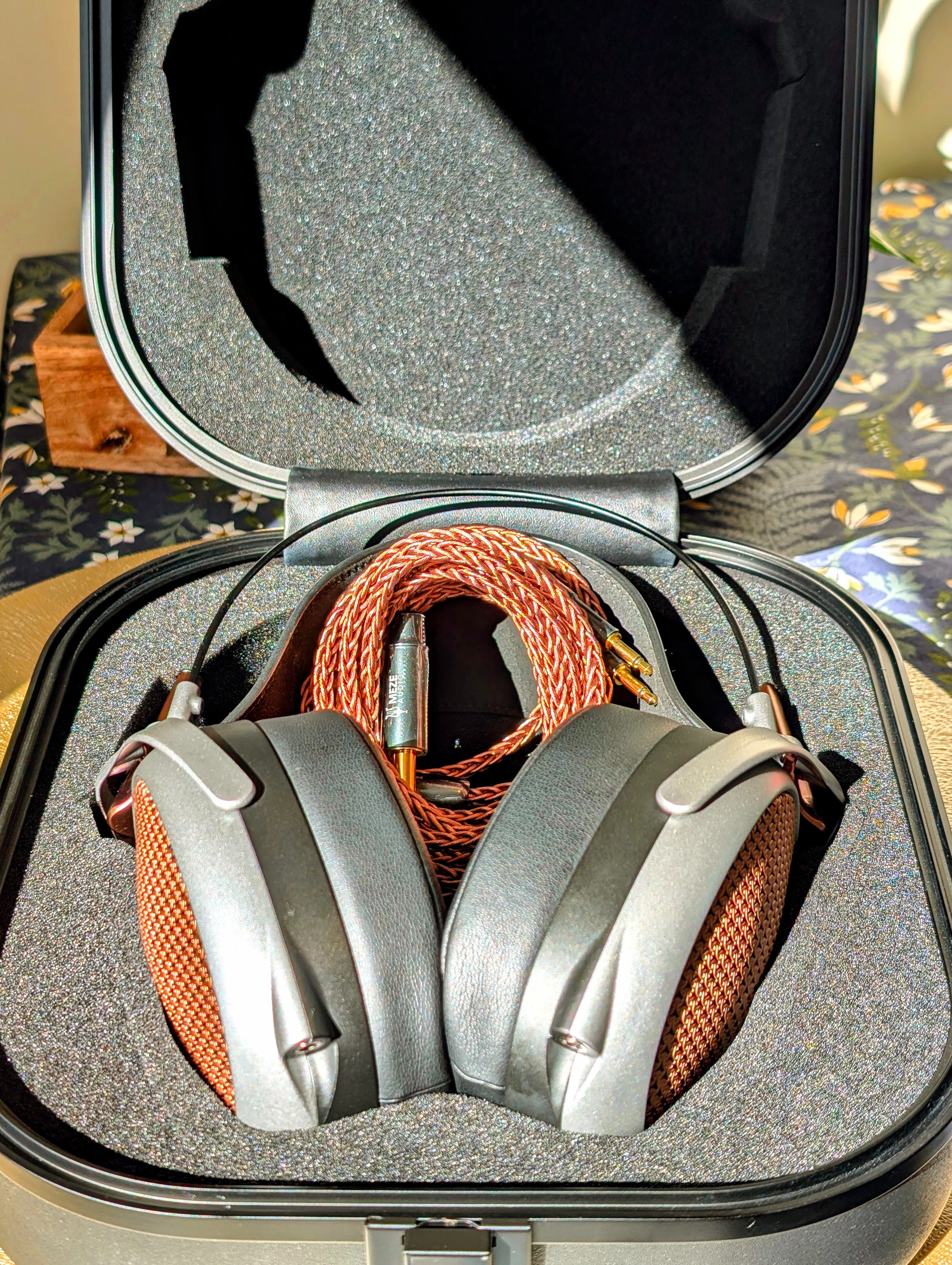
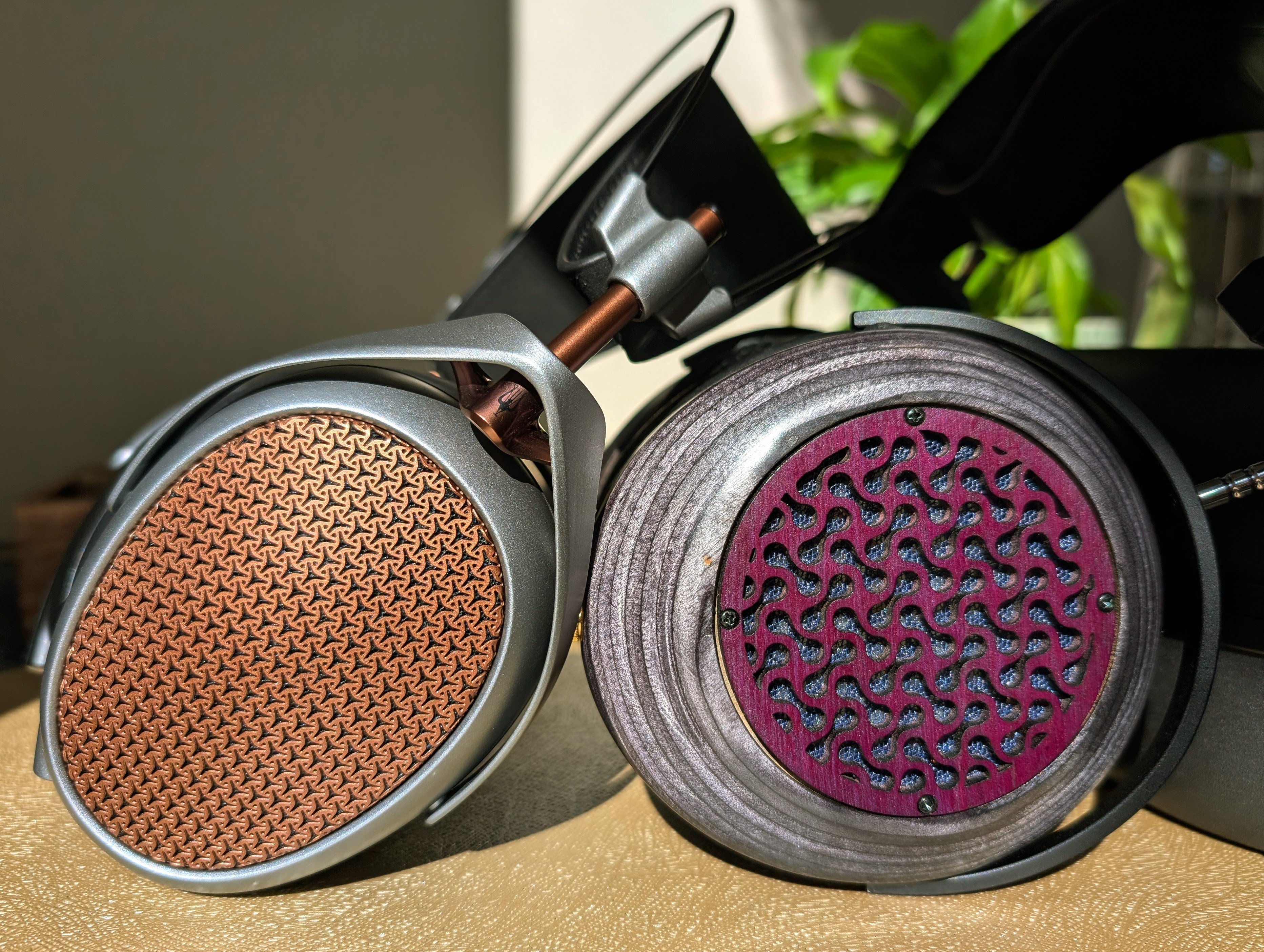
The POET come in a nice, strong carrying case — a bit larger than portable headphone cases but smaller than most flagship cases. Build quality is excellent. Meze has really set a high standard when it comes to design and construction. The POET don’t feel quite as premium as the Elite or Empyrean, but they’re still great — and better built than some more expensive flagship headphones from other brands.
In terms of accessories, there’s only a 6.3 mm (¼-inch) copper cable in the box, which is one of Meze’s premium cables. It feels nice, sturdy, and comfortable to use. A second, 4-pin XLR cable would’ve been a nice touch — but I’m okay leaving that privilege to flagship models.
Only one pair of earpads is included, unlike with higher-end Meze models. Thankfully, the POET inherit the excellent magnetic earpad system from the Elite and Empyrean — which in my opinion is the best in the industry.
I’d also like to highlight the headphone adjustment rods. They represent the best adjustment system I’ve ever come across. Sliding the mechanism is super easy — even while wearing the headphones — unlike most other clicking systems from Audeze, HiFiMan, ZMF, and others. Easy to slide, yet they stay in place and they do not wear out even after years. Meze simply nailed the chassis design.
Comfort is also good. While not quite at the level of the Elite or Empyrean (with their larger cups and thicker pads), the POET still sit on the more comfortable end of the spectrum. However, users with larger ears may find the cups slightly small.
My journey with Meze headphones and thoughts on other Meze models
Meze headphones hold a special place in my heart — the original Empyrean was my first high-end headphone back in 2018. After owning the Audeze LCD-2 and LCD-X, I was mesmerised by the Empyrean’s sweet, fluid, and coherent sound. It had a warm and engaging presentation despite a slightly elevated mid-bass and less resolution compared to competitors. To me, the strength of the original Empyrean was coherence — it felt friendly and musical, albeit with clear colouration. I think some of the criticism it received was unfair or superficial. Years after I sold my OG Empyrean, I revisited it on a dCS Lina stack (~$30K) and I was really surprised by the result: a bit of a mid-bass hump was still present, but bass was a lot more controlled and didn’t feel like I am lacking too much from a technical perspective. The OG Empyrean with the new angled earpads on high-end solid-state systems would surprise many naysayers to this date!
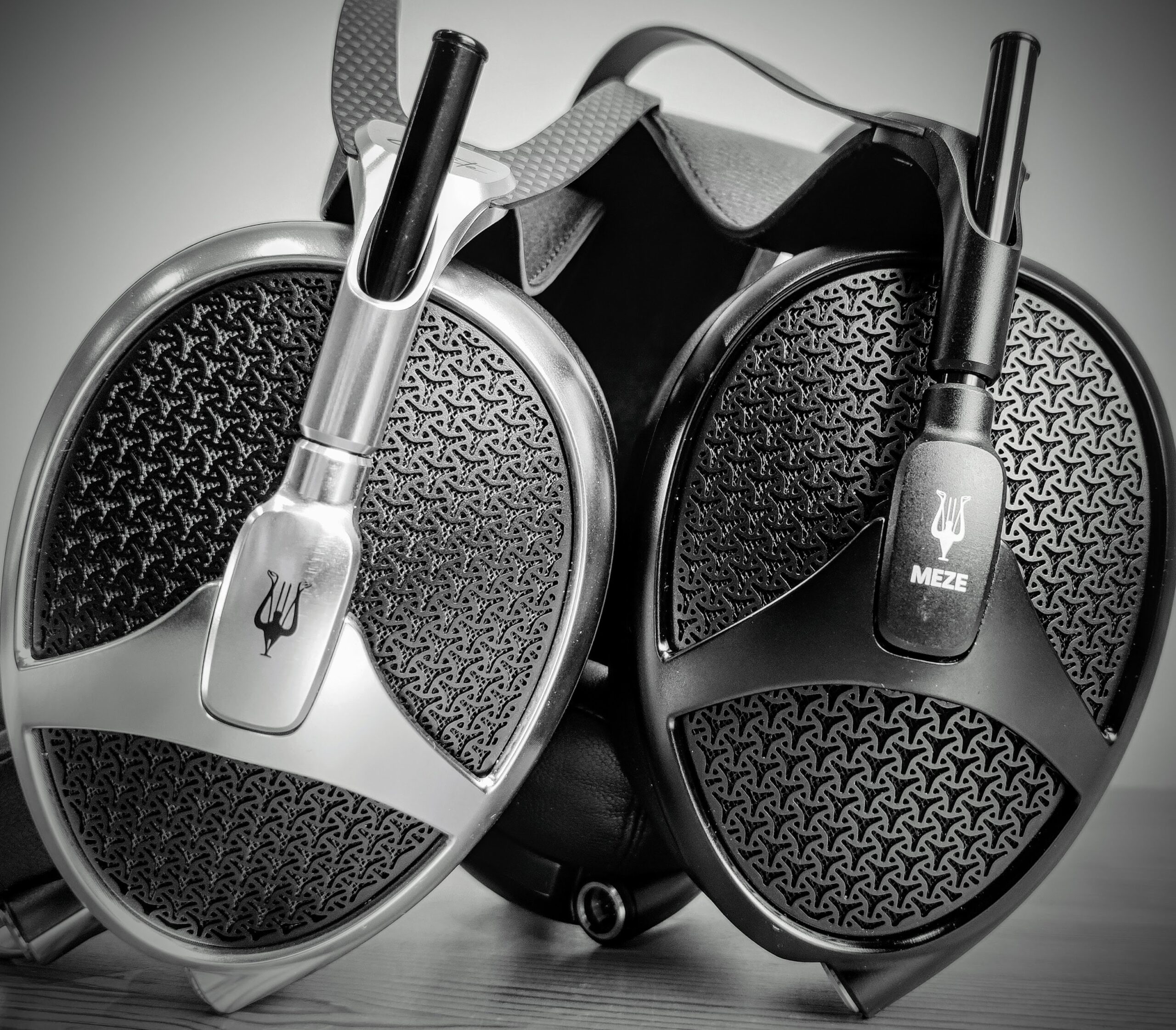
My Elite and black Empyrean
When the Elite was launched in 2021, after my first audition I knew that I have to buy a pair. To me the Elite was a straight upgrade from the OG Empyrean in every sense: better balance, bigger space, more accurate imaging, higher resolution and detail retrieval. It retained Meze’s smooth, non-fatiguing sound, and became one of my all-time favourites with the later released angled earpads. Although Zach at ZMF stole the very middle of my heart with the Caldera open for now (using thick earpads), I could be pretty much equally happy with either of these two headphones.
Let me briefly reflect on other Meze models, before we dive into the POET’s sound — this will help us position the POET on the Meze palette.
I only had a couple of listening sessions with the Empyrean 2, but they didn’t impress me as much as the Elite. From the Elite, OG Empyrean and Empyrean 2, the Empyrean 2 sounds the most dynamic, yet still laid back compared to many other flagship headphones. The new Empyrean to my ears is also a little V-shaped with some bass and treble emphasis — mids sound slightly recessed compared to the other two. The Empyrean 2 still sound good and coherent, but to me lack the absolute fluidity and balance of the Elite. I would probably also pick the OG Empyrean versus the Empyrean 2 as I personally find it smoother and more engaging.
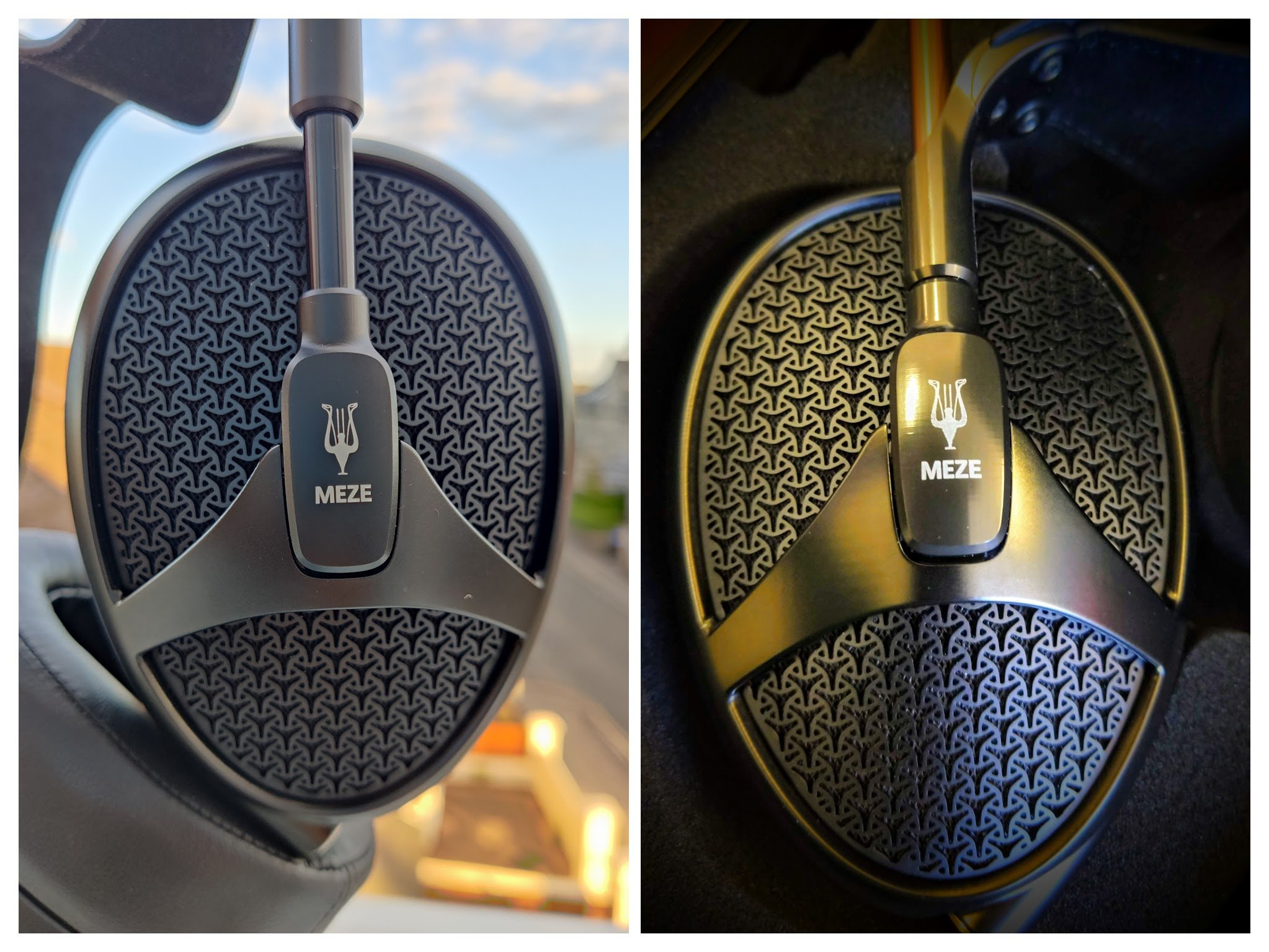
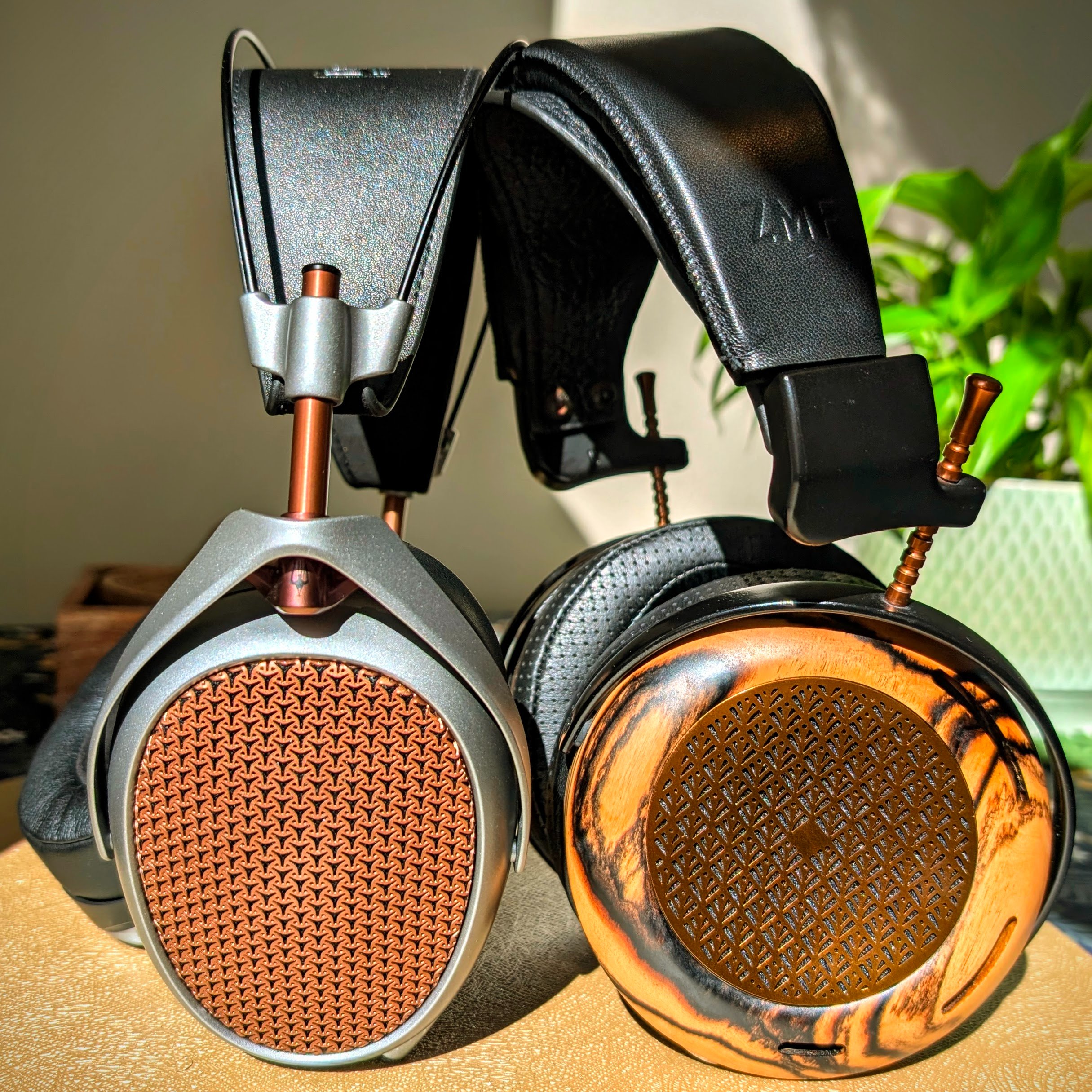
My black Empyrean and my original gun-metal version from 2018. In my opinion, the first edition had the nicest colour.
With the original Liric, Meze took a very different path and tuning approach in 2021. I suspect, after the criticism the OG Empyrean received, they wanted to brighten up the treble and enhance technicalities. It is not uncommon to achieve a seemingly more detailed sound with a brighter treble. I was not completely thrilled by the result; the og Liric to me sounded thinner and much brighter than any other Meze headphones previously. Luckily, with the Liric 2, they took a welcome step back towards the roots — the second Liric sounds warmer, more organic, and enjoyable overall.
Let me briefly mention a couple of Meze headphones with dynamic drivers, for a deeper understanding of the changing tuning philosophies behind Meze/Rinaro products. I also owned the 109Pro for a time. It sounded decent but treble was a bit much for my taste. I am simply speculating here, but the brighter treble on the 109Pro could still be the after effect, slight overcompensation following the criticism towards the OG Empyrean. Why do I think that? Because to my ears the relatively new 105AER — similarly to the Liric 2 versus the og Liric — is also a step back towards what I call the ‘original’ Meze sound which is slightly warmer and smoother (OG Empyrean). I love the sound of the 105AER and think it is great value at $399.
When it comes to Meze IEMs, I was not a huge fan of the discontinued Rai Penta, but I really liked the also discontinued Advar. I enjoy my Alba, which I consider great value and offers a fantastic, well-balanced sound for the price. As far as I know, Meze is due to release new, higher-end IEMs relatively soon.
Sound
So, what is the POET’s place in the above described family of headphones and where did it land on my personal preference curve of various Meze creations? Is it closer to the original Empyrean? Does it show any resemblance to the Elite? Is it a step towards the warm and smooth sound of the 105AER and og Empyrean or are there traces of slightly overcompensated treble brightness like in the og Liric or 109Pro?
I’ll be honest from the start: the sound of the POET is a mixed bag for me. These headphones do some things well and others not so well. In my opinion, they do not resemble the original Empyrean at all, nor do they sound very similar to the Elite or Empyrean 2. To my ears, the POET are much closer to the OG Liric and Liric 2, both in technical performance and overall sound character. They feel like a mixture of the two Liric iterations, but with open cups. They don’t quite possess the coherence, natural smoothness, or fluidity of the three (one discontinued) higher-end Meze models. While tonally they echo elements of other Meze headphones, to me they come across a bit thinner and less balanced than expected.
Technicalities: tone, timbre, soundstage, speed, imaging, layering
When it comes to technicalities, I think the POET is not the worst, but also not the best buy at $2,000. There are some significantly cheaper headphones that will offer higher resolution and better detail retrieval like the HiFiMan HE-1000SE or even the HiFiMan Arya Organic. Some cheaper headphones might offer better dynamics, like the Focal Clear MG; bigger bass with higher energy like the LCD-3 (or even LCD-X), or more organic sounding midrange like the ZMF Auteur or Bokeh open.
The reason I mentioned all these more affordable headphones that best the POET at least in one specific area, is because I find it challenging to nail down the POET’s unique sonic selling point at $2,000 (apart from the good comfort and outstanding build quality). While the sound is undeniably Meze, it is a leaner version of it and a mixture of my preferred and less preferred Meze tuning directions. Let me elaborate and start with the positives: texture and timbre on the POET are nice, female vocals are presented with lifelike tonal accuracy, and acoustic instruments have good timbre as well.
When it comes to the not so positives, one of my biggest issues is the lack of smooth coherence that I know from the Elite and both of the Empyrean models. I think this is partly due to the slightly uneven frequency response. Bass looks nice and linear on the frequency curve, which I usually welcome, but in real life the POET runs out of sub-bass presence and mass behind the lowest notes. Mid-bass sounds fine, it is slightly emphasised, but I think the engineers have pretty much nailed the quantity of it. The mid-bass on the POET is far from the original Empyrean’s mid-bass hump, so those who wished for a new mini og Empyrean might feel disappointed. Others will appreciate a more gently emphasised mid-bass. Lower mids feel recessed, while upper mids are highlighted. Lower treble again feels dipped and upper treble emphasised. Despite how this sounds, it is definitely not a complete rollercoaster, but to my ears certain areas sound recessed while others emphasised and depending on the recording this slight imbalance can bother me. (See some examples in the ‘Music’ section.)
Soundstage is on the smaller side, which wouldn’t be an issue if layering and imaging would be spot on, which unfortunately isn’t. The relatively small soundstage feels a little wider than deeper. There is not much air between instruments, sometimes background players blend together with the vocalist, creating a cramped and not very well positioned stage. The lack of adequate depth layering doesn’t help this perception, and the unpredictable imaging can also be a hit or a miss, depending on the track.
Speed and detail retrieval on the POET are average at best in this price category. The leading edges are actually relatively sharp and defined, but the decay feels a bit loose, with a slight lack of control that softens note edges and blurs layering. There is some body and some smoothness to the bass and mid frequencies, but other areas in the treble can come across as sharp, at times slightly harsh and unrefined.
One major reason why the POET don’t even remind me of the sound of the Elite or Empyrean is the significantly smaller transducer size. The active area on the diaphragm is 25% smaller than it is on the higher-end models. This naturally translates to a smaller stage, less space, lesser bass weight & impact, and less air. The sound somehow feels more forced and not as effortless as on the Elite or Empyrean. The smaller driver partially explains this experience, but not completely. The Caldera’s active diaphragm surface area is actually very similar to the POET’s, yet the ZMF flagships offer depth layering classes above what the $1,500 price difference from the POET would suggest.
Despite my firm criticism I wouldn’t say that the POET is a bad sounding headphone. They are not bad, but when it comes to technical performance, in my opinion they simply don’t hit the $2,000 mark. For $1,200 or even $1,400 I would be a lot more forgiving on the technical front but would still highlight the issues I dislike in the tonal balance. The POET just don’t remind me of the seamless, coherent sound that I enjoy so much in the Elite, Empyrean or even in the 105AER to mention a more affordable but better tuned Meze model.
Bass on the POET is linear, with relatively good extension, but as we go lower in frequency, there’s a noticeable loss of energy, mass, and presence. Smaller drivers move less air, which means bass notes hit with a bit less authority. Still, I’d say there’s adequate bass quantity overall. Mid-bass is nicely tuned — not too much, not too little — though it could use a touch more refinement. Bass never bleeds into the lower mids, yet it maintains enough presence to keep things grounded. Some might prefer to add a 2 dB shelf for extra energy and slam. While the low end isn’t the most controlled or the most impactful, it’s generally sufficient across most genres. It’s not the full-bodied bass of the Empyrean but feels more like the Liric’s bass — just in open-back form. Nothing is really missing; all the information is there — but sometimes, I find myself wishing for a bit more weight and body behind the notes.
Mids on the POET, especially female vocals, have nice tonality and lifelike texture. Vocals in general sound quite forward, there is not much space between the listener and the band. Upper mids are emphasised which highlights female vocals, but the subdued lower-mids don’t lend enough body and authority to male vocals. Acoustic instruments generally sound nice, but due to the slightly uneven mid presentation they can be a hit or miss, depending on the recording. My experience is that as you climb the audio ladder towards top of the line headphones, products start to sound more and more lifelike. Lifelikeness is the ultimate goal of high-fidelity audio. The POET in this regard sits right in the middle between entry level and top of the line offerings.
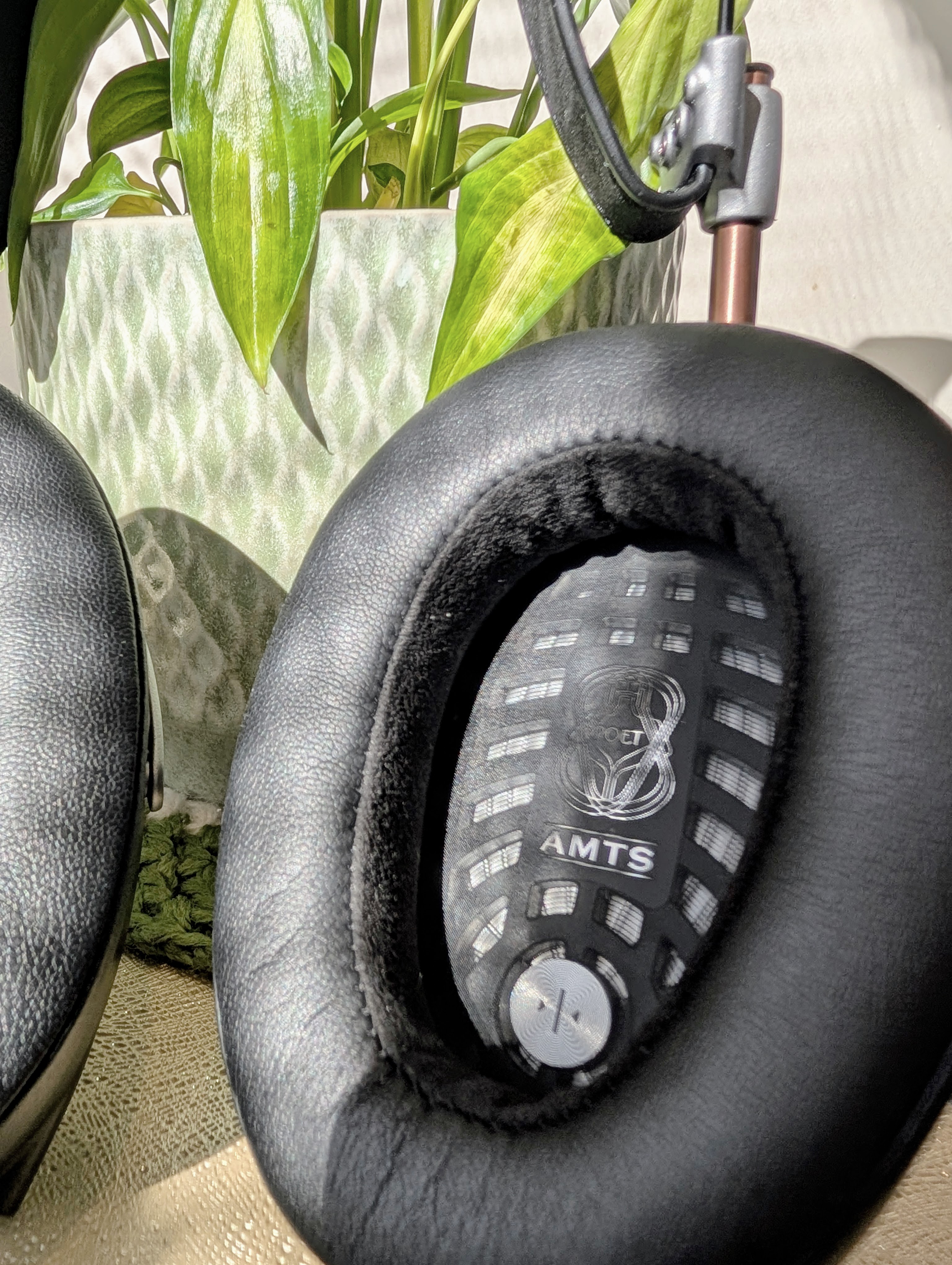
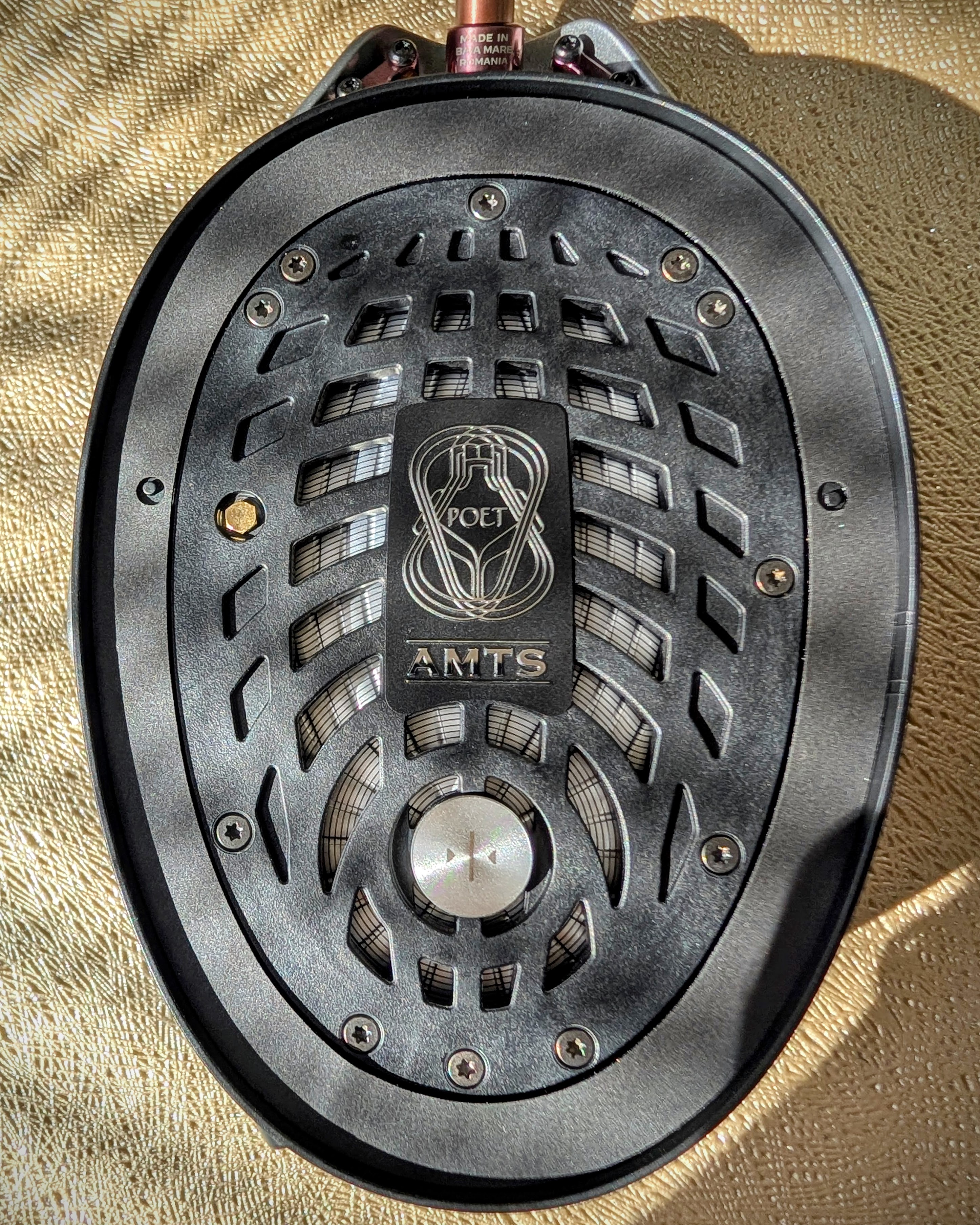
Treble is the area that I am slightly puzzled about. It almost feels like the engineer(s) couldn’t quite decide whether they want the warm and smooth treble of the OG Empyrean or the spicy and punchy highs of the og Liric; so, they somehow combined the two which to me do not quite blend together. Treble on the POET is a little uneven for my ears. Parts of the lower treble feel subdued, and there seems to be a peak or emphasis around 6kHz followed by a steep downslope with another high peak around 15kHz. This makes me feel like I’m missing some treble information and experiencing some slightly unpleasant, bright forwardness at the same time. This is far from the warm smoothness of the Empyrean, despite the AMTS system borrowed from Dan Clark Audio. The AMTS (Acoustical Metamaterial Tuning System) is meant to control airflow in a way that smooths out hard edges in certain treble frequencies and contributes to a more natural and more comfortable listening experience. I couldn’t detect any significant advancements versus other Meze models that don’t incorporate the AMTS system. (Saying this as someone who is also familiar with the DCA Stealth/Expanse sound.)
Comparisons
Abyss
A number of manufacturers have discovered this gap on the market around $2,000 and started to fill it in. I think, perhaps the POET’s strongest direct competitor will be the Abyss JOAL which unfortunately I haven’t heard yet. Hopefully I will audition them in a week in which case I might update this section. The price for the JOEL starts at an appealing £1,745, while the POET in the UK is £1,899.
HiFiMan
With the release of the HE-1000 Unveiled (£2,499) the previous model, HE-1000SE price has dropped further to £1,629. The new Arya Unveiled is £1,379 while the Arya Organic dropped to £889. I am yet to hear the Unveiled versions, but I am familiar with all the previous Arya and HE-1000 iterations. Their presentation is vastly different from Meze headphones. In general, these HiFiMan models sound airy, spacious with large images and great detail retrieval. From a subjective point of view I miss a bit of body, weight and mass behind the sound of these HiFiMan headphones and occasionally find the treble too bright on them. That said, these oval-shaped HiFiMan headphones are popular for a reason and even people with diverging preferences admit that they represent great value on today’s market. As someone who would more often pick the Meze Elite versus the Susvara, I am not saying this with a light heart, but I think, even the Arya Organic offers better balance and a higher overall technical performance than the POET. (Not without some other issues though.)
While the POET is better built even compared to the Susvara, the overall sonic performance of the HE-1000SE is a significant step above the newest Meze for 14% less money.
Audeze
I like the LCD models up to the LCD-4. The LCD-2, 3, 4 (and X) all offer great bass and an energetic but ear-friendly presentation with slightly subdued treble. The POET’s closest Audeze competition could be the LCD-3 for £1,699. Despite the age of these Audeze models, I think they are still relatively competitive. In my opinion the POET’s technical performance is slightly below the LCD-3. The Audeze model has a stronger, more muscular bass that digs deeper. Soundstage on the LCD-3 is also not huge but sounds weightier and technically more convincing with better imaging. I simply find the LCD-3 more satisfying than the POET.
ZMF
ZMF is about to release a new headphone for $2,000; the ORI 3.0. This will be a closed back planar tuned for ‘fun’ (a.k.a. non-Harman, bassy). Hopefully I will also audition this in a week and receive a demo pair for review purposes.
Other models that I would highlight here are the Verité and the Atrium, both going for $2,499 which is 25% more than the POET, but many people who are ready to spend $2,000 on headphones don’t mind stretching to $2.5K if the sound is really worth it. These headphones offer a unique and very different sound compared to the POET, due to their dynamic drivers. The reason I am mentioning them is because they showcase a masterclass in coherence and engagement for ‘only’ $500 more.
DCA
I might update this section with the Noire-X after CanJam next weekend, right now I can only mention my experience with the DCA E3 ($2,000) which I personally found too neutral, damped and unexciting, but still technically more advanced than the POET.
Meze Elite/Empyrean
This simply wouldn’t be a fair comparison, so I am not even going into details. The same way I won’t mention my daily driver ZMF Caldera, as that wouldn’t be fair either. These flagship headphones just sound a class above the POET in everything: they sound bigger with better imaging, better tone and timbre, increased depth, better dynamics, higher resolution and so on. The POET doesn’t sound half as full and half as large as the Empyrean.
Music (some example tracks)
 Sync24 – A Deep Sea Meditation Experience: I love this track, and it is also a great test track for micro details and natural background sounds. Early in the track there is rain in the background, which sounds like real rain on TOTL headphones, but it is pretty much inaudible on entry level headphones or just comes across as noise. The POET is somewhere in between: the background sound is there, but it is not clearly rain, or definitely not ‘lifelike’ rain. Vibrasphere – Northern Sunsets: Upper treble gets too spicy on this track for my ears and also lacks bass authority. Agnes Obel – Familiar: Background sounds and layers are quite smeared on the POET. I am missing depth and separation. Yello – Kiss The Cloud: Percussion and high hats sound too forward with overemphasised bite in a brighter than ideal treble presentation. Billie Eilish – ilomilo: With the POET I am not hearing the great 3D stage and depth layering on this clean recording. There isn’t much depth; the stage is two dimensional; too ‘left & right’ as opposed to a nice and even layout. Background sounds don’t come across in a clean manner. Duo Ruut – Tuule sõnad: Imaging and stage on this track should be clear, believable and well-positioned. Not so much on the POET, where this ‘left & right’ character compresses the stage and makes it fall apart at the same time. Joe Cocker – Unchain My Heart: I am not listening to many male vocals but did notice that the lower registers on male vocals lack some presence and body. The bass guitar is also not as snappy and weighty as it can be, and we can only partially blame the relatively poor recording for that. Vini Vici – Free Tibet: Attack is not bad on this track, but overall sounds way thinner and flatter than it should. Bass should have more body and authority while the treble emphasis almost sounds a bit aggressive. I also cannot skip the lack of depth and layering once again.
Conclusion
I prefer to examine and evaluate every review unit through the goggles of the price ticket. $2,000 is not pocket money for most buyers; it is a serious investment. Therefore I cannot wholeheartedly recommend the POET as best buy for $2,000. As I mentioned earlier, if the price tag showed $1,200 or even $1,400; my judgement and criticism would have been a lot more gentle. At this price point the POET is facing a tough competition which it won’t be able to fight off with world class design and build quality only.
The legendary Meze comfort is only good this time and sound-wise the Meze POET is not the most competitive at its current asking price. It is even more challenging to recommend the POET if we have a quick look at the second-hand market, where the Empyrean 2 can be found around $1,900 and the Elite around $2,200. Both versions of the Empyrean and Elite simply sound a class above the POET. I am going a step further; with a good and clean amplifier I personally would pick a used OG Empyrean that can be found for as ‘little’ as $1,200 these days. Of course, not everyone likes to buy second-hand, which is fair enough.
The POET didn’t give me the warm and smooth listening experience I enjoy in the OG Empyrean or Elite. Instead, I got a small, relatively shallow soundstage, a forward presentation, mediocre layering and treble with bright-leaning peaks. This release didn’t quite do it for me — but it might do it for you, so please don’t write it off based on this review alone. There are plenty of positive reviews out there — but as always, only trust your own ears.
As for me, I’ll be looking forward to the next Meze release with curiosity and hope.