Pros: – excellent, clean and punchy bass performance
– balanced mids, smooth, inoffensive treble
– non-fatiguing, yet energetic and dynamic sound
– delightfully comfortable earpads
– 10-year warranty on the chassis
– deviates from the usual summit-fi sound with a warmer and darker tuning (pro for me)
Cons: – weight and somewhat excessive clamping force (this should significantly improve with the next chassis revision)
– dark treble won’t be for everyone, despite sounding clean and clear
– deviates from the usual summit-fi sound with a warmer and darker tuning (con for some)
– soundstage and imaging while certainly high-end, not outstanding in the summit-fi category
*Dark horse: a candidate or competitor about whom little is known but who unexpectedly wins or succeeds.
Disclaimer
I was fortunate enough to spend two weeks with the Bandoss Avija headphones in exchange for this review. I am not affiliated with the brand, and everything you read here reflects my honest opinion. I spent at least 4-5 hours with the Avija every day, so I believe I’ve gained a solid understanding of its performance.
What is the Bandoss Avija?
Bandoss Avija is a brand new planar headphone from Frank Bandoss, an Italian precision engineer and long-time audio enthusiast. Frank Bandoss is his alias which he prefers to use publicly, instead of his real name. He is not a man of the spotlight, rather prefers to stay in the background. Avija means ‘bee’ in a local Italian dialect. These headphones started as a love project, initially without the aim of market production. Once Frank showed the early versions of the Avija to his friends, they encouraged him to approach a larger audience with it.
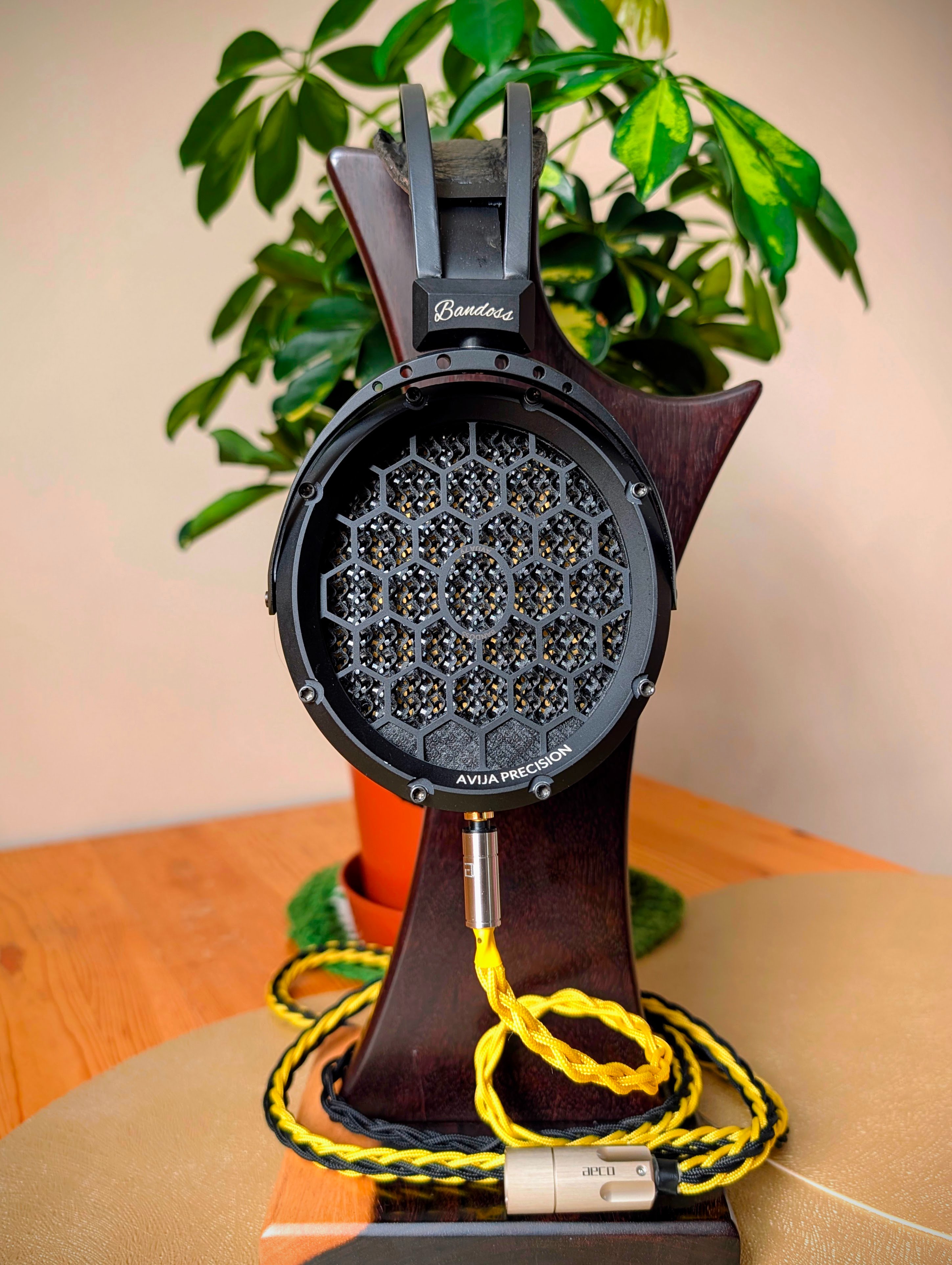
Graphene and copper upgrade cable with quality plugs.
Frank teamed up with an audio engineer, whose name is undisclosed at this point as he has some other ties to existing brands. Let’s call him Mr X. Mr X was responsible for sourcing the stock driver. While the Avija transducer was not designed from scratch like most other high-end headphones transducers, the drivers were heavily modified. This stock driver was originally designed for a headphones dot com project 6-8 years ago, but that project got abandoned due to high costs. Since then the driver became readily available from a (German) company called German Acoustics, who manufactures these in China.
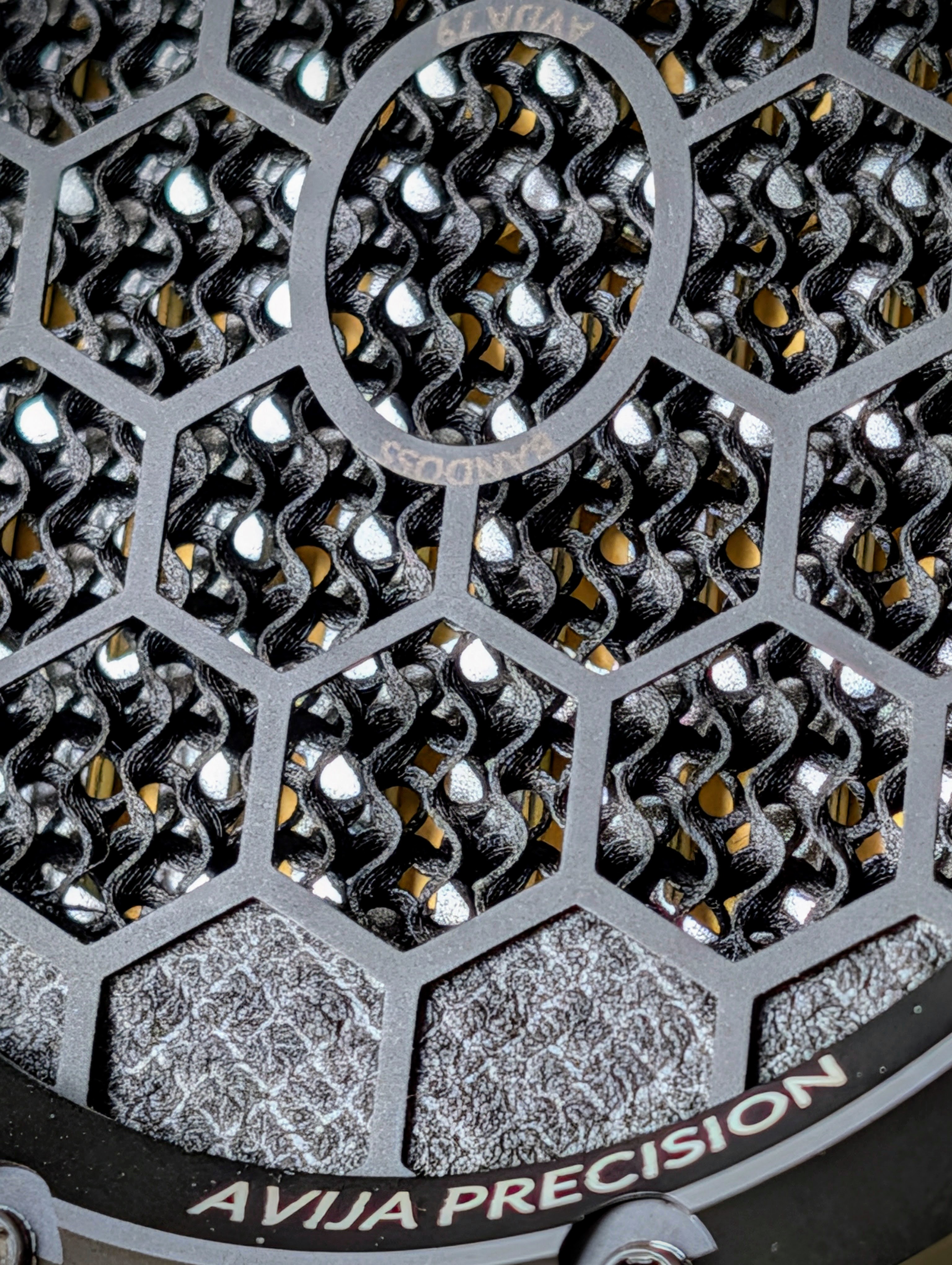
Frank is currently redesigning the transducer frame around the diaphragm — a purely cosmetic update intended to remove any remaining design-ownership concerns that surfaced in the Avija thread a few weeks ago. To my understanding, these drivers have been legally available for several years from German Acoustics for anyone to use in their stock form. Brands like Erzetich and Nur have followed a similar path (using a slightly different stock driver), but their overall implementation results in transducers that are far easier to drive. Those headphones use less powerful N50/N52 magnet structures and different traces on the diaphragm.
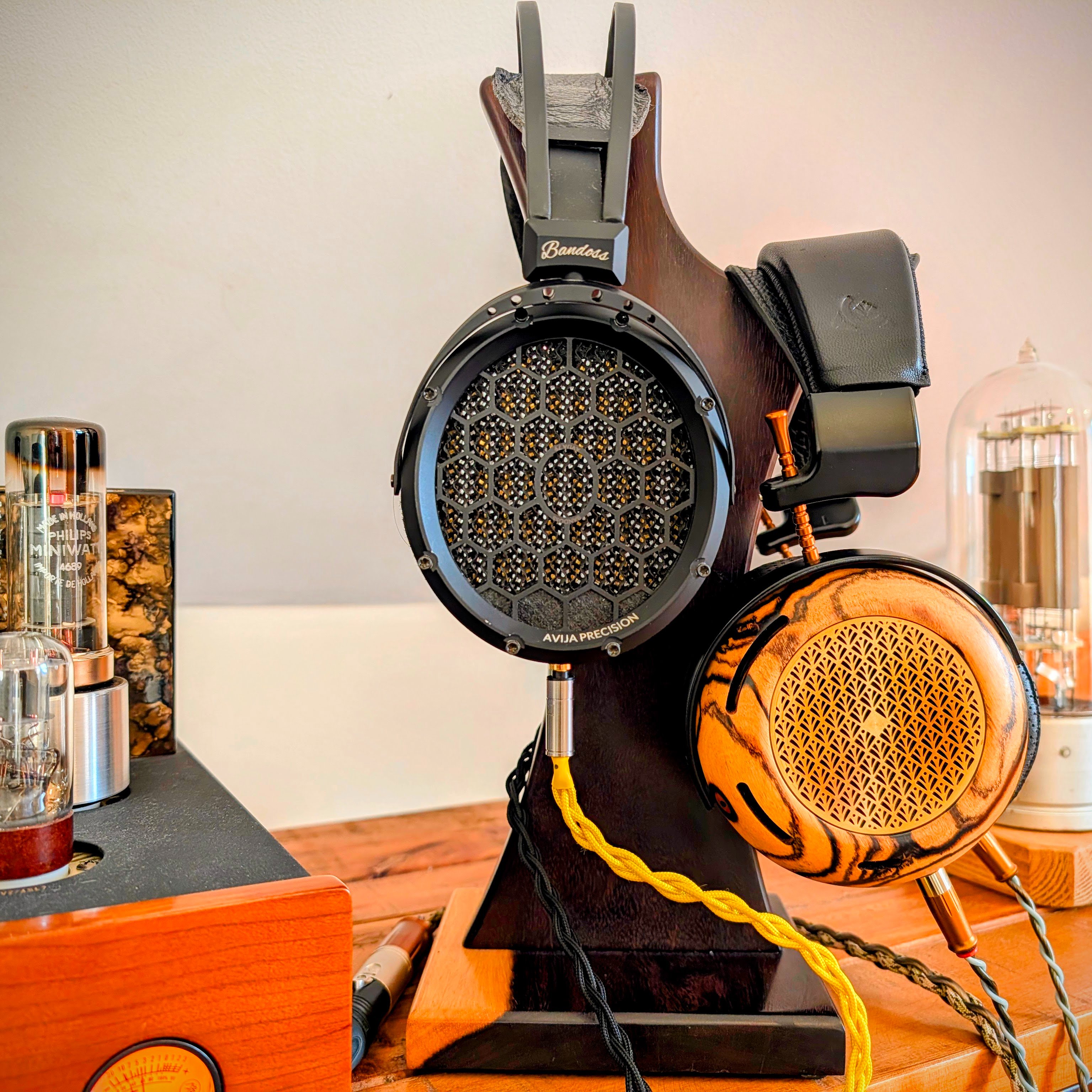
Driver details
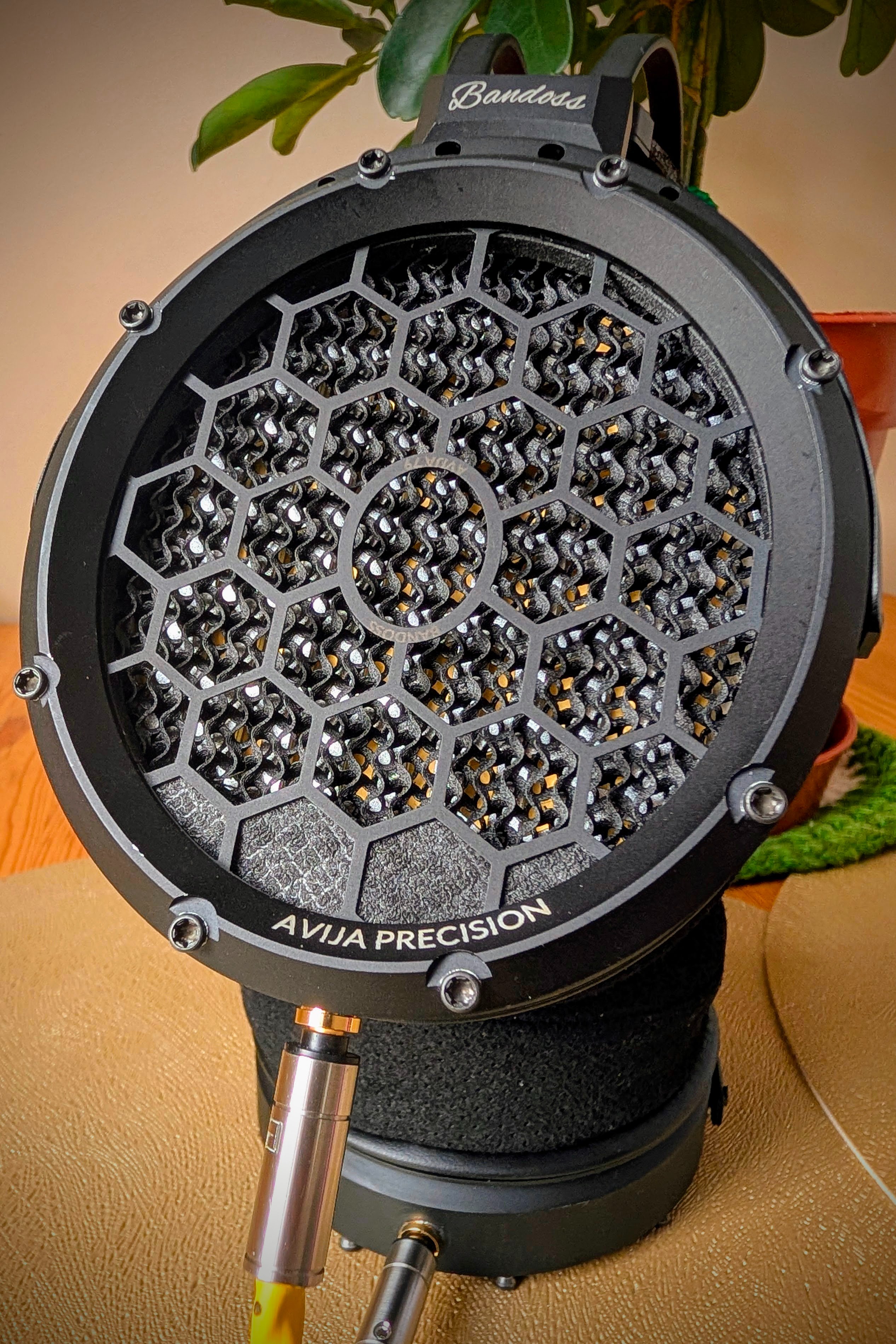
The Bandoss drivers are huge, 97 mm x 90 mm with an active area of 87 mm x 80 mm. This is bigger than most other transducers out there, including the Caldera and almost as big as the old Audeze LCD-4’s 106 mm driver. Frank’s modifications also included replacing the stock magnets with the strongest available magnets on Earth; the Neodymium N55s (5-6% stronger than the N52). The magnet structure is double sided, so the bigger half of the headphone’s weight comes from the huge magnets. The diaphragm has pure gold traces.
Let me briefly address a surprisingly common misconception, that buying readily available high-end drivers and shoving them into a 3D-printed chassis is all it takes to create headphones. Of course, the drivers are extremely important, but they’re far from the whole story when it comes to tuning — implementation is key. Think of the driver as the engine of a car. Sure, the engine is crucial for performance, but you still need to design an entire car around it, with proper suspension, clutch, and so on. Similarly, in headphones you must carefully design and calculate cup reflections, damping systems, angles, and more — not to mention creating a comfortable and sturdy chassis.
While it is certainly more cost-effective to use readily available or modified drivers rather than designing a new one from scratch, this doesn’t automatically imply a compromise in quality or uniqueness. In fact, several well-established manufacturers also start with off-the-shelf drivers before applying their own magnet structures and/or modifications. Some well-known models around $1000 use readily available drivers that cost $20-30 each. By contrast, the Avija uses the best and most expensive off-the-shelf drivers, featuring gold traces on a 2 µm thin diaphragm. After all the custom modifications these drivers cost $650 each (with a minimum factory order of 100 pcs).
Cost
The Avija retails for 5,000 EUR, which includes worldwide shipping and all potential import taxes (!). This is 5,800 USD or 4,370 GBP. There is also an upgrade cable for 700 EUR (800 USD or 600 GBP), which is highly recommended to squeeze out the last percentages of performance from the Avija. (Unfortunately I didn’t have the stock cable to compare, only the upgrade cable.) While this price is certainly on the higher end, it is not the highest if we consider the astronomic £7,500 asking price of the Susvara Unveiled or the £5,500+ UK price of the Abyss 1266 TC. In my opinion, the Avija as a complete newcomer would probably be a little more competitive at a 10% lower price (4,500 EUR), but I can also understand that Frank is trying to recuperate some of his investments. In my opinion the Avija certainly plays in the ballpark of Susvara and 1266, technically performing a little higher than the 4,700 GBP Focal Utopia, 3,700 GBP Meze Elite or 3,500 GBP ZMF Caldera which makes the price defendable, especially if you are into a darker and warmer sound.
Frank’s inspiration and goal with the Avija tuning
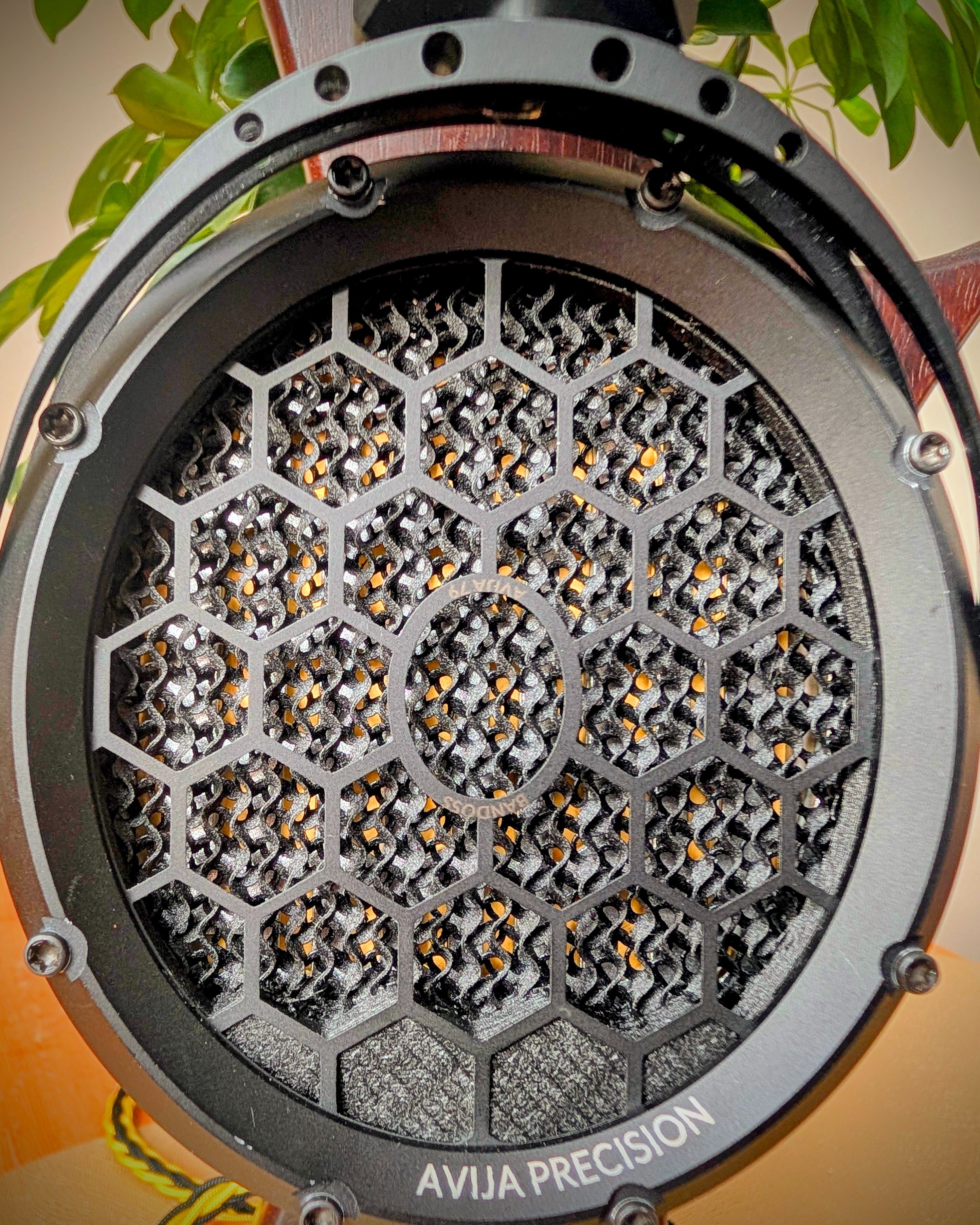
As I mentioned, Frank is a precision engineer, audio has been his life-long hobby. For many years he enjoyed his Audeze LCD-4, so his aim was to create a similar sound profile but with a more even tuning and better technical performance. Let me get ahead of myself and say it early in the review; I think he succeeded. On his website the motto is ‘Nothing to prove, no one to persuade’. The Avija is his love project. He probably spent more money on development than he will ever see in sales profits. This project is about passion for good sound. I know this because Frank has been very open with me about his journey in our numerous conversations. To my ears, the Avija combines the best of the LCD-4 and Abyss 1266 TC while eliminating most of their shortcomings.

My background and gear
When I read that the Avija aims to carry the LCD-4’s spiritual heritage and improve it even further, I immediately knew that this headphone could be right up my alley. I love a good, controlled and authoritative planar bass and I love a slightly more subdued, smooth and ear-friendly treble. Some of my all-time favourite headphones include the Meze Elite, Final D8000, ZMF Caldera, and even Audeze LCD-3, LCD-4 from earlier years. I prefer a warmer and smoother tuning with good sub-bass as opposed to a neutral, treble bright and supremely transparent sound like Susvara Unveiled or treble forward Focal Utopia.
I am lucky enough to often have loaner headphones at home and I also audition new headphones relatively often. My daily driver these days is the Caldera Open (with thick earpads). The rest of my current chain is an EverSolo streamer that upsamples to 192 kHz into my Holo Cyan 2 DAC and goes to my ZMF Aegis amplifier through a Jensen Isolator. My current favourite tube roll in the Aegis is Mullard 5U4G (thin base, black welded plates), Mullard ECC35 (thin base) and Philips 4689 power tubes (ring getter, metal base). I use other power tubes as well from the 4654, 4699 and EL50 family. Beyond sound, these also improve the amp’s power delivery to some extent.
Avija specs
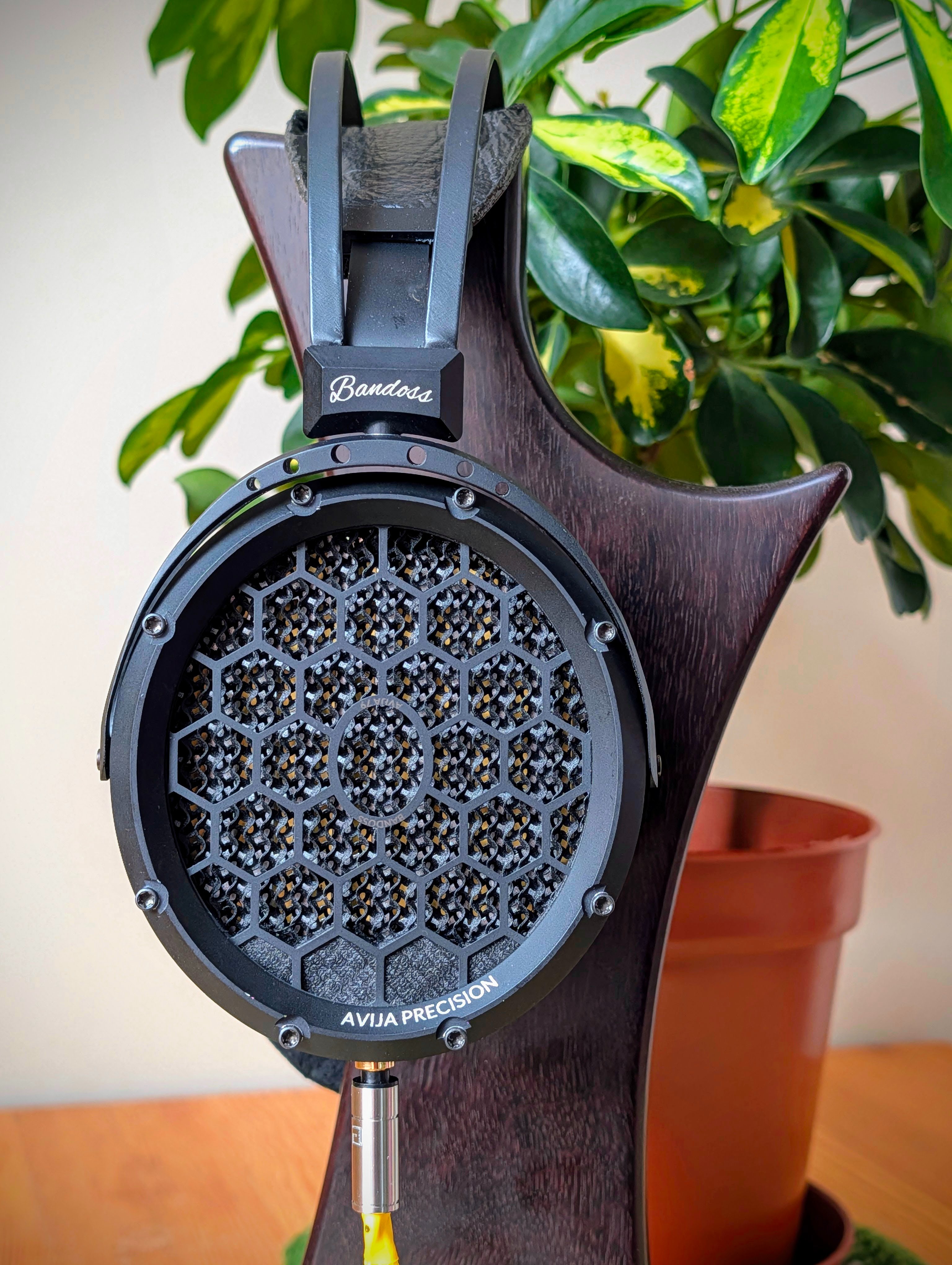
Frank’s babies are hard to drive at 44 ohms and 90 dB/mW sensitivity. This is getting close to Susvara territory when it comes to power hunger: the Susvara OG is 83 dB/mW and the Susvara Unveiled is 86 dB/mW. For reference, the Caldera clocks in at 95 dB/mW and the Meze Elite at 101 dB/mW.
While the Avija can get loud enough on simpler chains like a Topping stack, they won’t reach their peak performance compared to amplifiers like the Burson Voyager or my ZMF Aegis. Peak performance means more control, a more authoritative bass response, and a fuller overall sound (a.k.a. more headroom).
I had to put my Aegis in high-impedance mode and use the XLR output, just like I did with the Susvara Unveiled. While the Susvara Unveiled reached a comfortable listening level around 11–12 o’clock, the Avija needed a bit more juice, around 12–13 on the volume knob. The Avija is not a headphone that runs well from DAPs; they are particularly current-hungry but need good voltage too.
Build and comfort
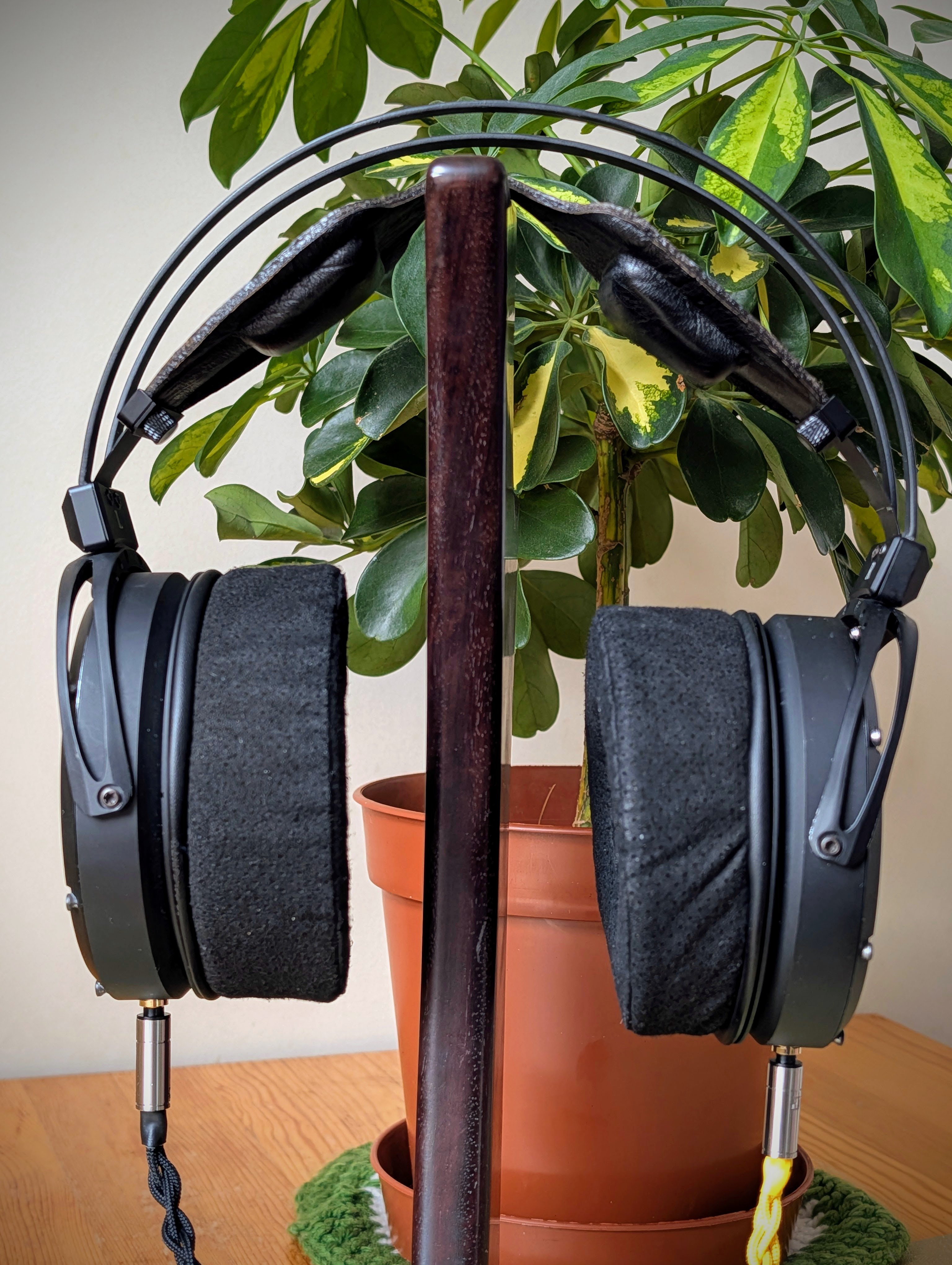
In its current form, the Avija weighs 580g, which is undeniably hefty. The good news is that Frank has managed to shave off a meaningful 80g with a chassis revision, and those updated versions should be available around February/March 2026. This will significantly improve comfort, so I won’t dwell too much on the ergonomics of this older demo unit. As it stands, comfort is okay but not exceptional: 580g is still a lot of weight, the clamping force is slightly on the high side, and the lack of cup swivel combined with a stiff frame gives away a bit of an Abyss 1266 vibe — which I never found particularly comfortable (the 1266 is even heavier at 650g).
The earpads are super comfy though, they are large and have high-quality memory foam filling. The cups hug my ears and also breathe well thanks to the custom microfiber fabric. Frank originally preferred leather, but after several prototypes these microfiber earpads simply sounded the best.
The chassis is CNC machined out of aerospace-grade aluminium and feels extremely sturdy. The design of the new chassis will look almost identical, just much lighter. Frank also managed to slightly angle the connectors on the new version, which will further enhance comfort versus the straight 90 degrees on this pair.
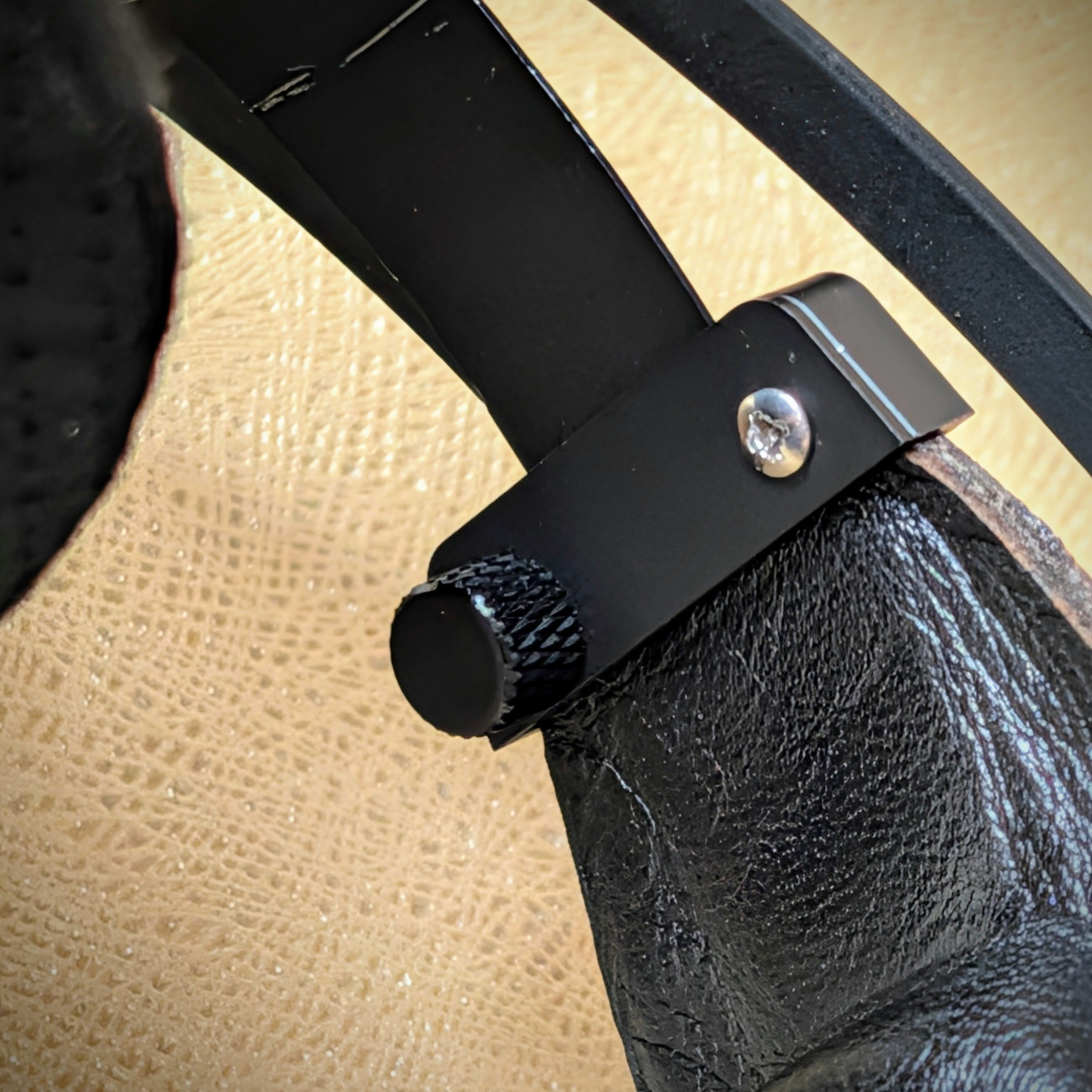
A small knob to adjust the tightness on the suspension strap.
The suspension headband feels excellent; I much prefer this method versus the different adjustment rods on other headphones. With the suspension headband the height adjustment is always immediately perfect. On the adjustment-rod-type headbands you might prefer a setting of two-and-a-half, yet you are forced to choose between two or three. This is a non-issue with suspension headbands. On the Avija you can also adjust the tightness of the suspension strap, which changes how much of the weight sits on the top of your head and how much rests on the earpads: genius!
Frank currently offers one year warranty on the drivers, ten-year warranty on the chassis and one-year free upgrades, in case there will be further developments on the chassis.

Sound
General
If I had to describe the Avija’s sound in a nutshell, I would say Frank has achieved his tuning goal admirably. This headphone is the spiritual successor of the LCD-4, while technically it is pretty much on the level of the Abyss 1266 TC. Bass is thunderous, controlled and authoritative. Midrange is balanced with great tone and timbre, treble is dark-leaning but still with great clarity. Dynamics and detail retrieval are excellent. Resolution is not quite on Susvara Unveiled level, but a notch above the Meze Elite, Focal Utopia or ZMF Caldera. More detailed comparisons later.
Technicalities, staging, tone & timbre
When it comes to technicalities, the Avija is definitely a top shelf performer with nearly as much detail as the Susvara, roughly on par with the Abyss 1266. Avija’s presentation is energetic but effortless. You won’t find any forced details through an artificially bright treble. Tonality is warmer than neutral, but not overly so. Thanks to the darker-leaning treble, there is absolutely zero sibilance and despite the punchy and impactful sound profile the presentation never becomes fatiguing or piercing. There is a complete lack of bothering treble peaks. The leading edge of transients (attack) is quick and impactful with outstanding note weight. Decay is a little longer, lending enough body to the notes, enhancing the overall feeling of naturalness. Timbre is remarkably lifelike, besting many other popular choices like the Utopia or LCD-5. To my ears only ZMF headphones edge out the Avija on timbre and lifelike tonality, but the Avija performs on a slightly higher overall technical level even compared to the Caldera. Avija is ever so slightly drier than the Caldera, but not dry compared to other planars in the category.
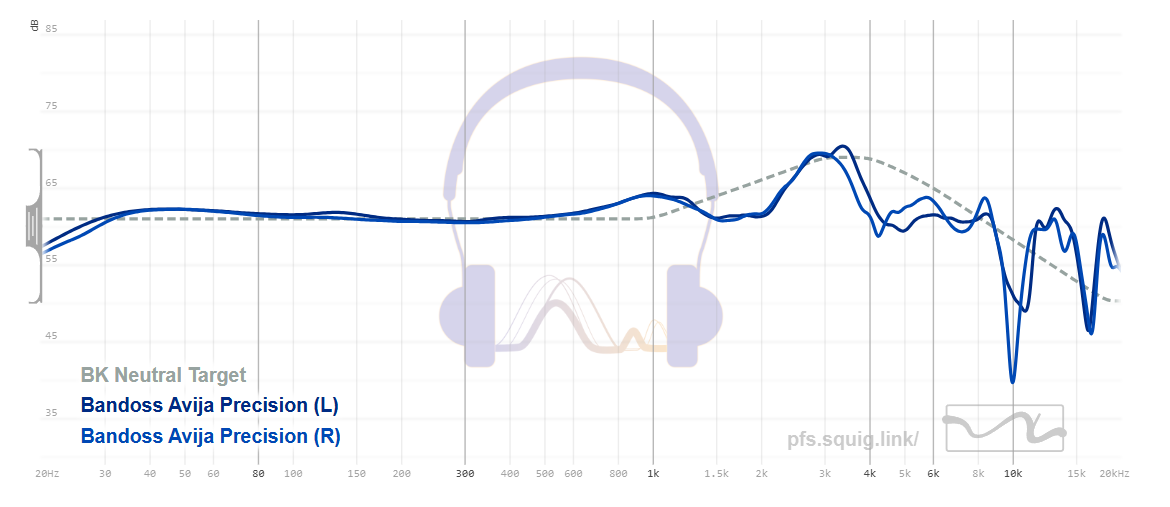
Staging is where the Avija doesn’t necessarily stand out from the summit-fi competition. The size of the projected 3D stage and imaging accuracy is only average for this price category. Both the Susvara Unveiled and the 1266 TC offer a larger stage and a slightly more precise image. I would say these spatial qualities are still absolutely adequate for a high-end headphone, they are just not the Avija’s most outstanding traits. At least, not in direct comparison to something like the Susvara Unveiled.
One other Avija tester was complaining about a very ‘left and right’ focused stage without a clear centre image. I don’t hear this as a problem, but I can see where he was coming from. Initially I also heard the stage a bit ‘left and right’, but as my brain adjusted to the Avija’s sound signature, it was able to create the illusory 3D stage like on any other headphones. Staging also depends heavily on the amplifier, and tube amps generally excel in this area. Most of my listening sessions were done on a tube amp.
In my experience, one of the clearest signs of a technically superior headphone is image clarity — the sense of air and separation around instruments. This almost always goes hand in hand with stronger depth layering, allowing the listener to “see” further into the stage with greater precision. On the Susvara Unveiled, this quality was noticeably ahead of my beloved Caldera. The Avija sits somewhere between the two in this regard. Another hallmark of true technical refinement at this level is how convincingly a headphone renders kick drums and percussion overall. The Avija shines here, outperforming pretty much all of the well-known planar models.
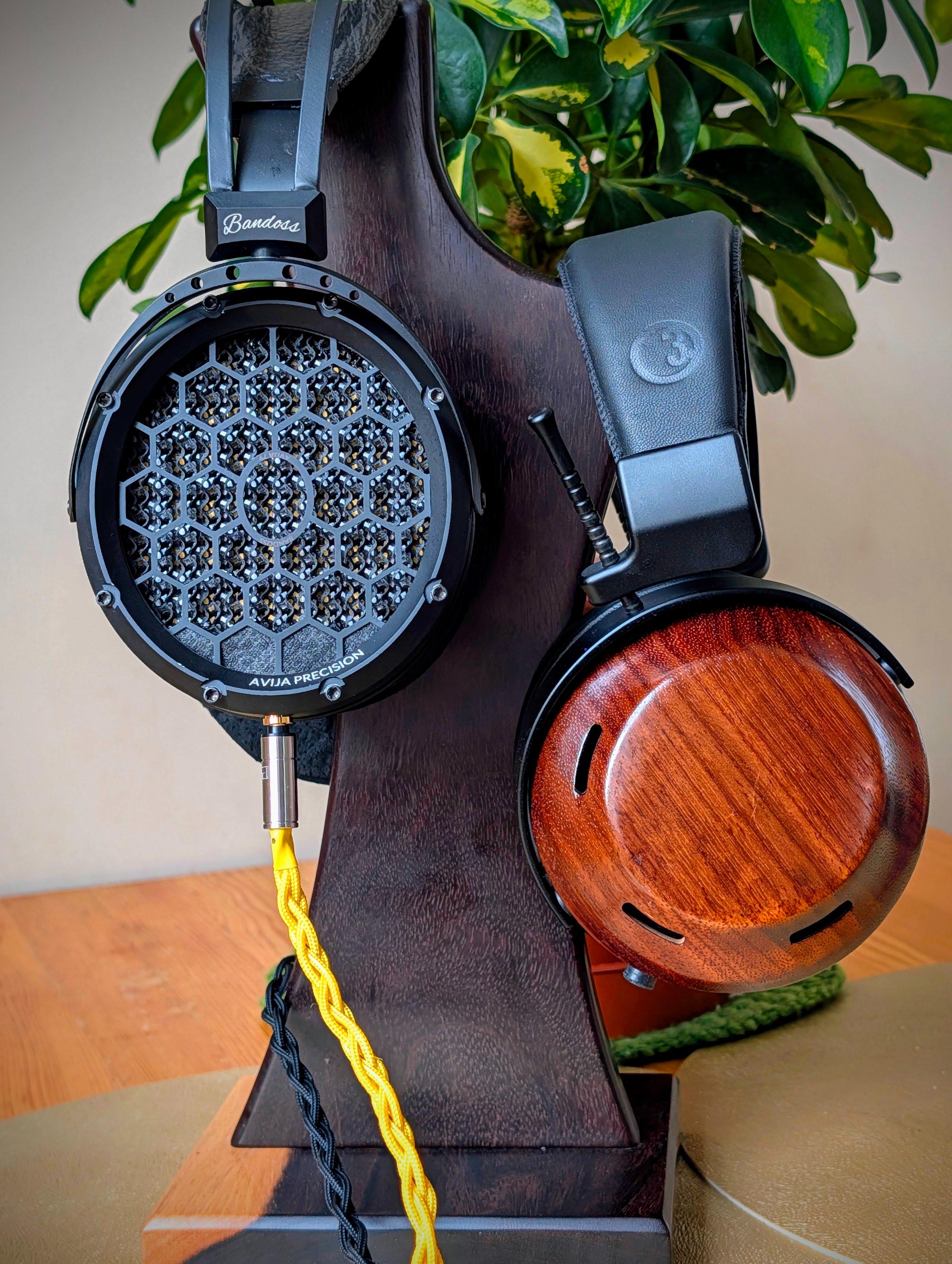
Bass is certainly the absolute highlight here. The world’s most powerful magnets move a lot of air through the huge diaphragms, and you can definitely hear the result; almost physically feel it. The Avija’s bass performance is simply the best I have heard in any headphones, only comparable to the Abyss 1266 TC. I know, it is a bold claim, but I fully stand behind my words. Of course, ‘hearing is believing’, so I hope one day all the readers can confirm this with their own ears.
Bass is authoritative, visceral with amazingly tight control. There is excellent sub-bass presence and effortless extension. Mid-bass presence is an equal partner to the powerful sub-bass region, but nothing feels overblown or out of proportion. It is all about energy, impact and control. This bass is fairly linear and doesn’t feel artificially boosted, yet offers such an impact, clarity, separation and muscular presence that is pretty much unmatched. When it comes to control and dynamic impact, it is a step above almost anything else on the market. Supremely enjoyable; an EDM lover’s ultimate dream.
Midrange is balanced, clean and clear with a slightly warmer tone and great precision. Vocals are not too forward, but I also wouldn’t describe them as recessed. This midrange is better balanced than on the 1266, lacking any wonkiness or unevenness. Mid-range dominating acoustic instruments are clearly separated and sound lifelike with good dynamics. The Caldera’s midrange tonality is still a little sweeter and more realistic when it comes to vocals and wood instruments, but this is one of the absolute highlights of the wooden-cup ZMF headphones. Midrange tonality is still excellent on the Avija, and easily better than most competing planar headphones.
Treble is where these headphones will be divisive. Some will love the darker tone, others won’t. The treble gradually pulls back as we move higher up the frequency range. The Avija deliberately avoids any treble boost — a trick some competitors use to artificially enhance detail perception. Initially, this can create the impression of less detail and air up top, but the information is there; it’s just simply not presented under an artificially bright spotlight. The complete lack of treble peaks results in a smooth yet still energetic presentation, helped by the massive transducers. Treble on the dynamic Utopia can become a bit fatiguing for me, while the always-smooth Meze Elite can occasionally lack energy and excitement. Perceived sonic energy and a fatigue-free listen are usually mutually exclusive, but not with the Avija: here the sound is energetic yet smooth. The Avija’s treble, while following the pulled-back nature of the LCD-4, is still far more incisive and clearer than the discontinued Audeze flagship. At the same time, don’t expect the squeaky-clean clarity and transparency of the Susvara Unveiled. The Avija and the Susvara cater for two very different audiences.
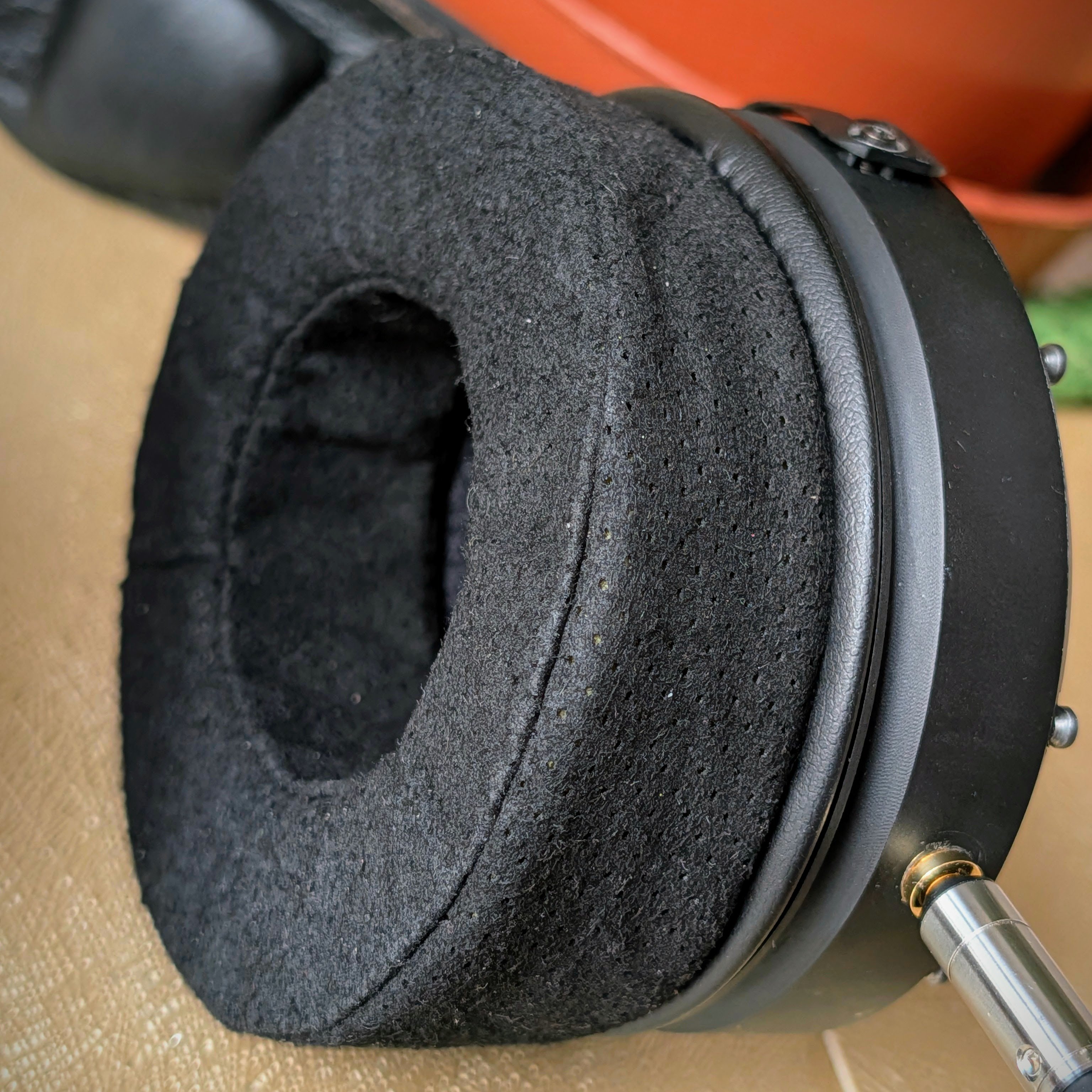
Comfy, plush earpads.
More comparisons
The Avija is the ultimate flagship for those who liked the LCD-4 and were disappointed in the LCD-5. Avija is a true spiritual successor of the LCD-4 while improving on most of its qualities. Bass is even bigger, more controlled and more impactful. Midrange is nicer, treble is more dynamic and more incisive while completely lacks any bright sheen, zinginess or sibilance: it is smooth and dynamic.
Susvara Unveiled represents the pinnacle in headphone neutrality, transparency, midrange- and treble-balance, combined with high resolution and impressive micro-detail retrieval. Unfortunately this exceptional transparency comes at the cost of note weight and bass authority. While the Avija doesn’t quite reach the technical finesse of the Susvara Unveiled, it is not too far behind and arrives with a robust bass, more substantial acoustic body and satisfying note weight. While the Susvara Unveiled is still quicker and more nimble, the Avija’s powerhouse is also impressively fast for this type of thicker sound.
Compared to some of my favourite planars like the Meze Elite, ZMF Caldera, or Final D8000, the Avija’s overall technical performance is slightly higher — especially in bass control, authority, and clear impact. This largely comes down to physics: the huge drivers simply hit your eardrums harder. While they are already excellent, none of the aforementioned beautiful sounding planars deliver bass dynamics quite like the Avija.
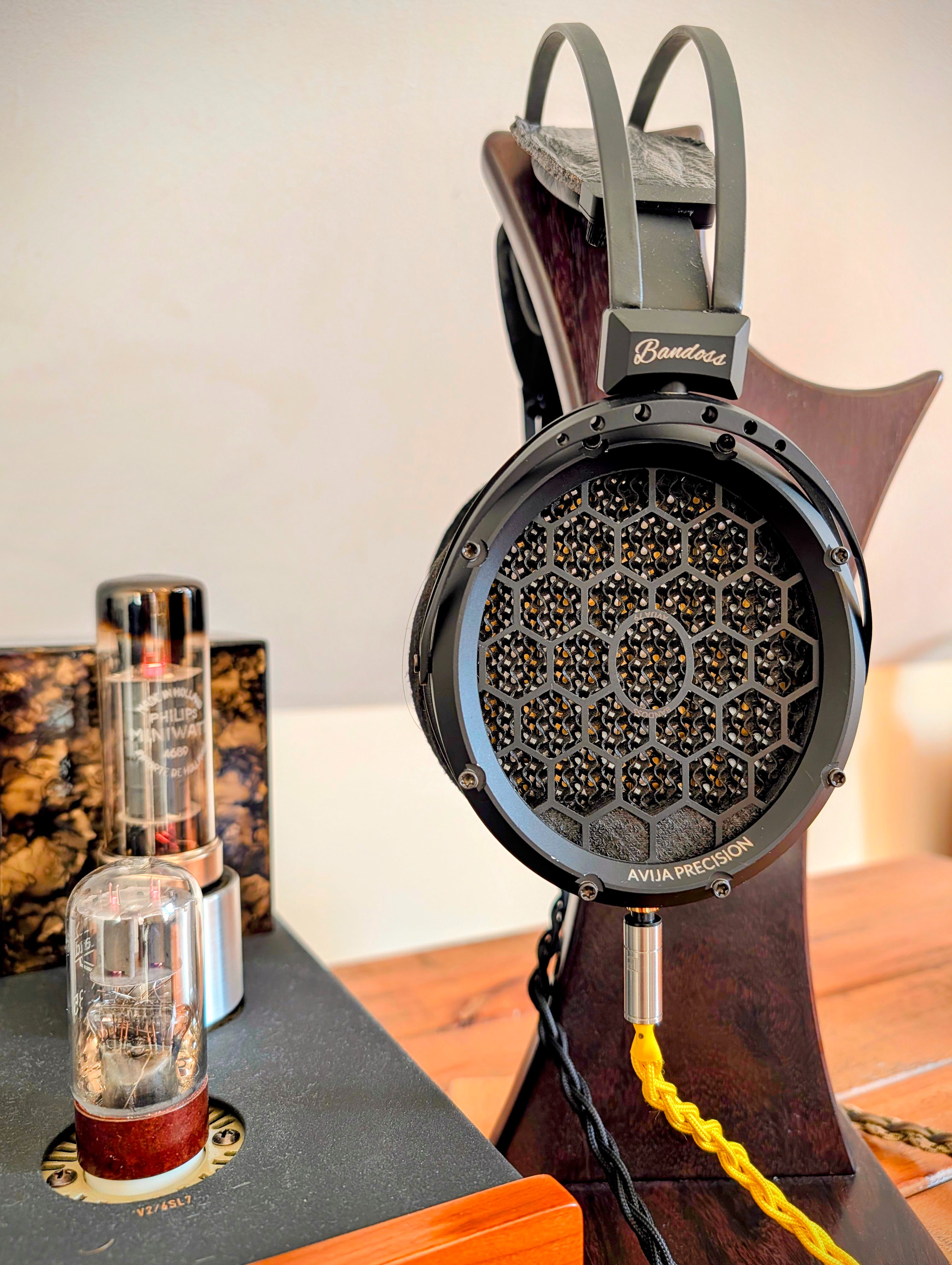
The Elite and the Caldera might edge out the Bandoss headphones in certain niche areas, such as an even sweeter, more lifelike vocal tonality, or slightly more coherent imaging. Yet the overall impression is that the Avija simply operates on a higher technical plateau with better focus, clarity, still great tonality, paired with a darker leaning, but superb overall balance.
LCD-5 and Susvara might sound more correct and more accurate, but they lack the fun factor and acoustic body of the Avija. Avija doesn’t prioritise neutrality or micro-precision. The sound of these headphones aim to impress and entertain with well-controlled, brain-shaking bass slam. In my opinion The Avija’s bass presentation is only comparable to the 1266 TC while the Bandoss headphones offer better midrange tonality and balance.
The Immanis comparison would be unfair as those triple ribbons simply leave any planars in the dust. The 1266 and Avija might slam a little harder in the lower registers, but that is all about the advantages I can think of. In my experience the Immanis simply performs a class above any planar headphones when it comes to speed, resolution and soundstage.
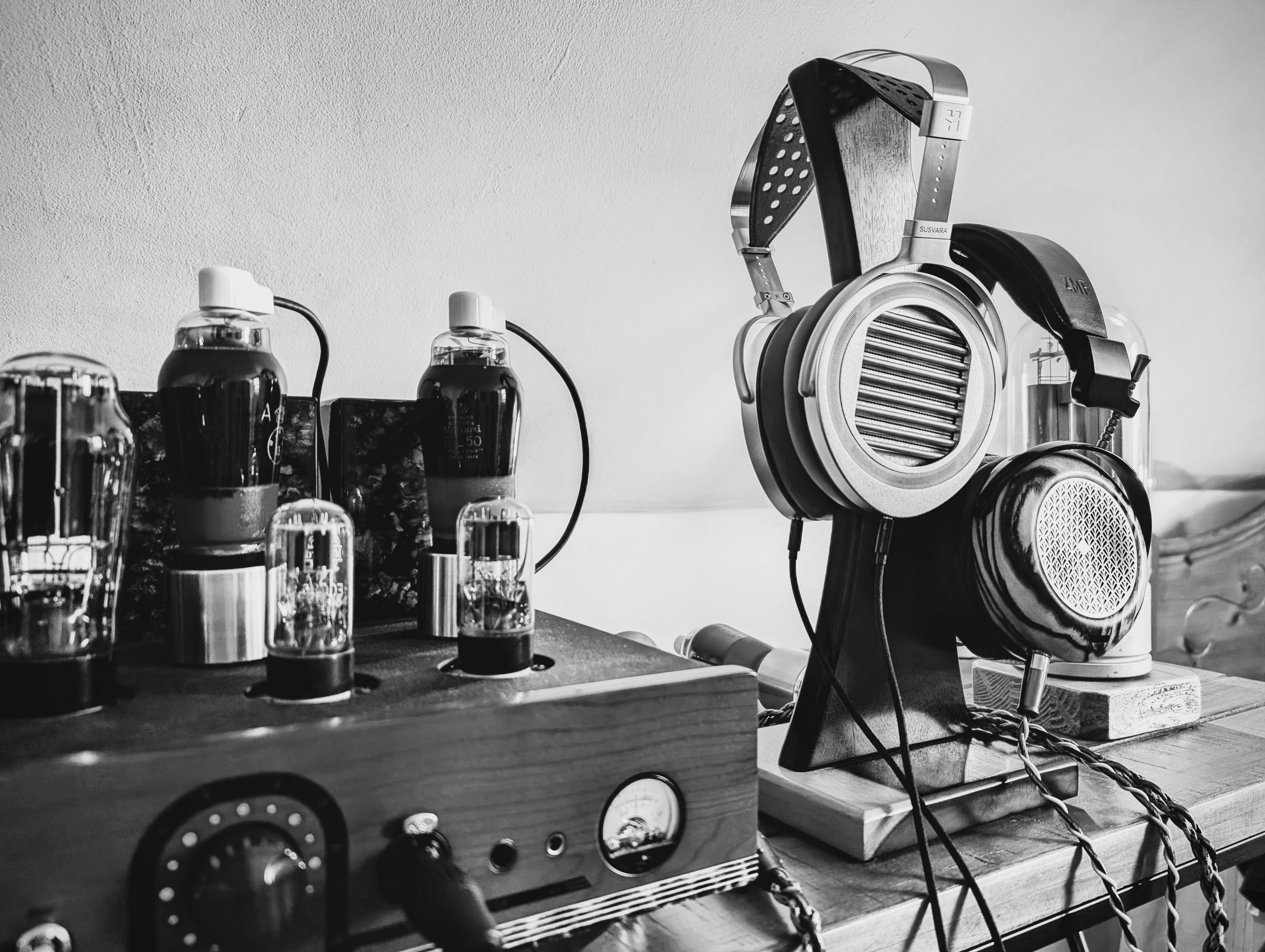
A handful of the tracks I used
Flunk – Blue Monday: Excellent and clear instrument separation: the bass guitar and the flute are both clearly audible.
Duo Ruut – Kost Laaluq Saaduq: Amazing vocal layer separation. Good tone and timbre.
Gaudium – Distorted Reality: Bass slam and clear impact to die for.
Csinszka – Én vagyok az, aki nem jó: This strong female vocal sounds clear, clean and at the same time lacks any harshness or sibilance.
Sol Soppy – Enter One: Caldera sounds a little smoother with slightly better vocal tone but the overall clarity is higher on the Avija. Piano note definition and separation is noticeably clearer on the Avija.
John Henry – Left and Right Imaging Test: It feels as if more room reflections were coming through the Caldera. This might be due to the different treble tuning. His voice sounds a little more natural/organic on the Caldera, but clearer and more accurate on the Avija.
Boris Brejcha – Moon Dancer: Absolutely SUBLIME bass.
London Grammar – Talking: Male background vocal is very clearly separated and audible. More so than on the Caldera.
Myrkur – Harpens Kraft: Great instrument separation. The Avija’s bass qualities lend a good foundation to string instruments, resulting in a performance that feels ‘grounded’.
Asif Avidan – Bang Bang: Great separation, definition and dynamics. Natural vocal tone. Contoured but not overwhelming bass solidifies the whole presentation.
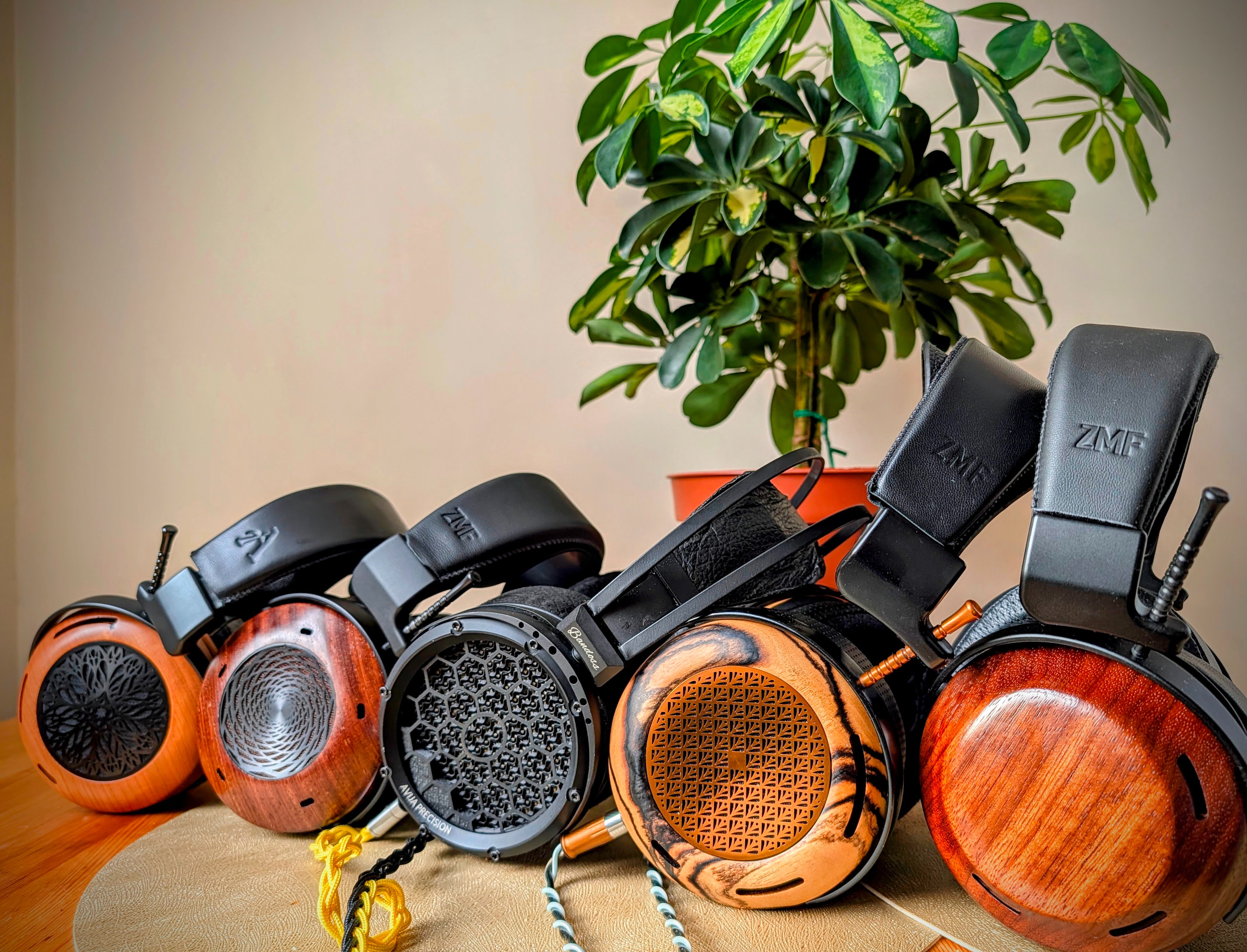
Conclusion
All in all, the Avija is a top performer, and its tuning fills a gap in the summit-fi landscape. At the tier of the Elite, Caldera, Utopia, or D8000, thankfully we see some tunings that deviate from the Harman curse (!), but most summit-fi headphones still aim for neutrality and transparency. With the Avija — when properly driven — we finally have a newcomer that offers summit-fi technical performance with a purposefully darker, warmer tuning yet plenty of dynamic energy.
The price tag might be hard to swallow as a blind purchase, but I’m fairly certain the Avija will impress every LCD-4, 1266, or Elite/Caldera owner. For those chasing strict neutrality or ultimate transparency, the Susvara Unveiled exists. Those listeners will probably dislike Avija’s darker take on the treble. I personally love a warmer and darker sound, and the Avija absolutely maxes out technical performance within this tuning style, pairing it with some of the best bass I’ve ever experienced through headphones.
For me, Signor Bandoss’s creation is an easy win, and I can only encourage every headphone enthusiast to audition a pair. With a bit of luck, Frank will bring them to CanJams, so more people can hear what the Avija can do. If comfort improves with the new, lighter chassis — which I’m quite confident it will — I can easily see the Avija’s popularity soaring in the summit-fi boutique headphone world.
EDIT (22/05/2026):
5 stars after the revision
After 18 days and sufficient burn-in with the new Avija I am ready to sum up my experience: it is awesome. 
Those who are interested in more details, carry on reading.
Comfort, chassis revision
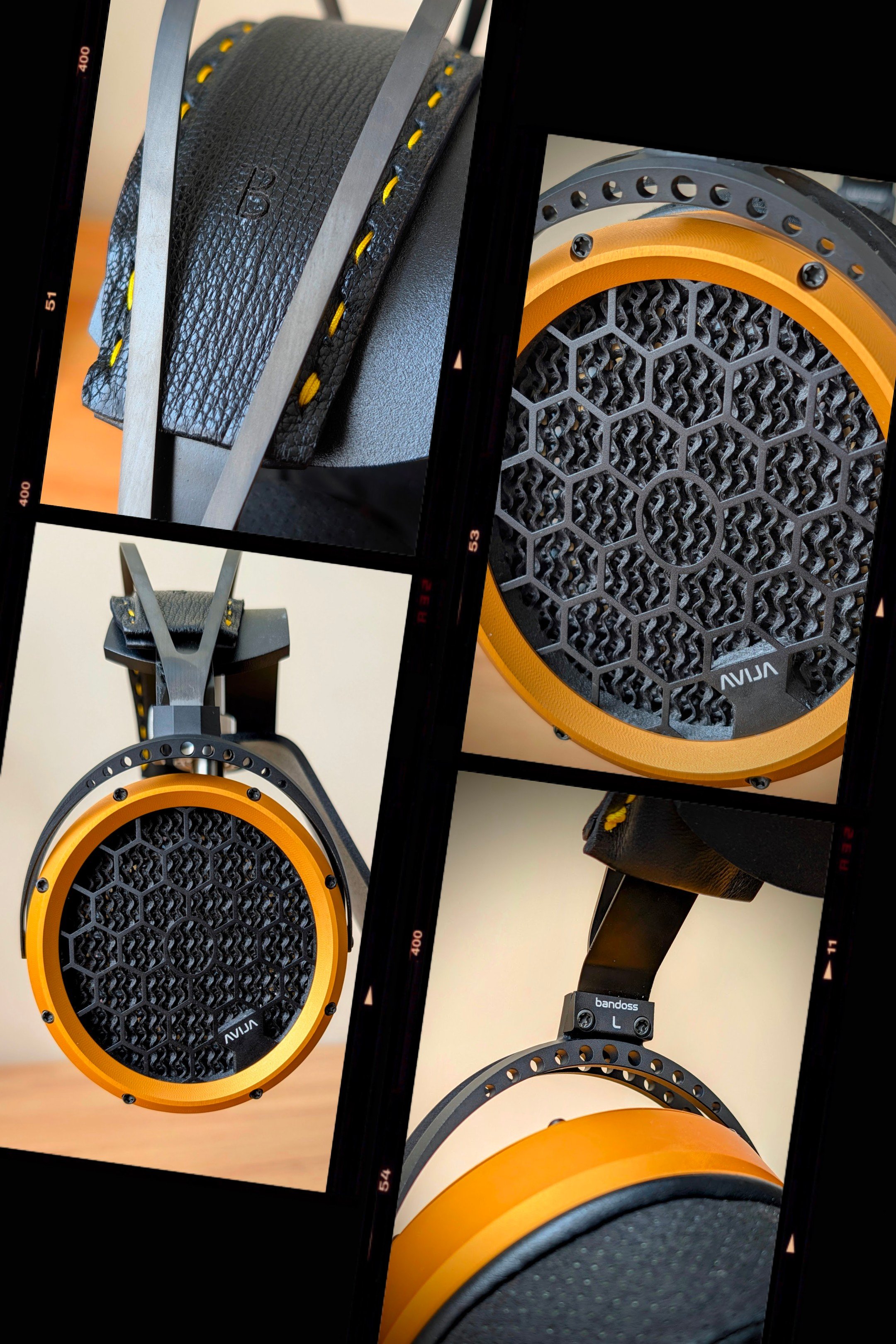
As it was mentioned before, Frank shaved off 110g weight with the new chassis (580g –> 470g). This is impressive and the Avija despite the huge drivers feels light. I never really had issues with headphones around 550g, as long as the manufacturer paid attention to weight distribution, but above 600g was a no-go territory to me. Even though I feel the 580g Tessidera and 565g Caldera comfortable, the weight drop of the Avija versus those is a very welcome change.
Frank has also significantly decreased clamping force from the previous model. The demo Avija in December was clamping too much, this new Avija feels light in that regard as well, pretty much like the Meze Elite. I almost feel that clamping could be 5%-10% more, but it is comfortable as it is and lets you forget you are wearing headphones.
My head is on the larger side (60cm), and initially I had some fit issues with the new chassis. I had to pull the headphones down on my head completely, but then the suspension strap started to pull the cups up on my head. This was annoying for the first 2-3 days, but then following Frank’s instructions I gently bent the headband at certain points and also the leather wore in on the metal strap which allowed easier sliding. The chassis quite literally had to mould to my head in 2-3 days and now it feels absolutely comfortable. There is no annoying pulling anymore and the Avija just comfortably sits on my head.
Frank has also received a batch of XL headbands. So, if your head is on the larger side, it might be an idea to ask him to fit an XL headband on your Avija. I don’t normally have fitting issues with other headphones, but the normal headband on the Avija is pretty much maxed out on my head. It feels 100% comfortable now, after some wear-in, but still I might try the XL headband out of curiosity.
Sound
In all honesty, it wasn’t an easy start for me. Out of the box this Avija sounded a bit different to what I remembered from December with the demo unit. It seems there were two reasons behind this: necessary burn-in and stock cable versus Marco’s cable. The demo unit had thousands of hours on it already and arrived only with Marco’s upgrade cable while my new N58 Avija was brand new and initially I only had the stock cable with it.
Out of the box with the stock cable I found the sound a bit leaner and brighter than remembered and with not as big of a bass slam/presence. It seems these huge gold transducers truly need some burn-in. Frank recommends 200-300 hours, my experience is that after 150 hours they significantly improved. Bass filled up, treble became smoother, overall sound is fuller now. I am not a big burn-in believer, to my experience most headphones need only 20-30 hours and the larger part of ‘burn-in’ is brain adjustment. This might actually be the longest physical burn-in I experienced on headphones.
The cable is another significant factor. I know it is a very controversial corner of the hobby, but my experience is that a good cable can indeed bring subtle improvements/differences to the sound. It should be the last tweak in the system, but a good cable can improve the sound. The stock copper cable to me sounds slightly less clear, leaner and there was some sort of a treble sheen/brittleness that bothered me after 1-2 hours of listening. Frank might in fact change the stock cable in the future as he was also not entirely happy with its performance.
Marco’s upgrade cable makes the sound smoother, slightly more natural, fuller but also cleaner and clearer at the same time. Background feels a little darker and the fuller sound just flows with a more natural ease. It is a pricey upgrade to get that last 5% of improvement, but IMO with the Avija it is worth it. Plus the cable feels quality as well with beautiful braid and full copper, quality connectors. I think 1K+ cables are becoming a ‘ridiculous’ territory, but with a €5K headphone a €700 cable could be justifiable for squeezing out the last bits of performance.
My impression on the new Avija’s sound hasn’t changed significantly versus the demo unit in December that I reviewed. Audio memory is a bit unreliable, but if I had to sum up my sonic impressions on the new Avija, this is what I would say:
Avija is an absolute TOTL, summit-fi performer. If we separate summit-fi planars (Susvara, Abyss 1266) and usual TOTL planars (D8000, Elite, Caldera, Tungsten, LCD4), the Avija certainly belongs to the former group. Resolution, detail retrieval, control, balance, coherence are definitely a step above the ‘usual’ TOTL planars I mentioned. All these technical aspects of the sound easily surpass my beloved Caldera or Elite. So, it makes more sense and it is more fair to compare the Avija to the summit tier Susvara or Abyss 1266.
Susvara sounds more neutral, it is still the king of balance and accuracy. Spectacular in that regard. But its tonal perfection is not for everyone and the lighter sound with a leaner bass doesn’t necessarily favour bass-heavy genres. Avija might not be as precise and accurate as the Susvara, but it offers more body, significantly more note weight and better dynamic impact. All this while providing 95% of the Susvara’s resolution and coherent balance.
Resolution, while certainly in the summit planar field, might just slightly stay behind the 1266 as well. Here I have to work from memory, so take this with a grain of salt. 1266 might sound a little more spacious and more ‘robust’, with even bigger mid-bass slam. But, Avija has a more even and more balanced tuning. Avija just feels smoother and more refined while also offering excellent bass clarity, separation and precise dynamic impact. Maybe not quite the bass weight of the 1266, but quality-wise on par. Perhaps 5% behind in resolution and slam.
So, my conclusion is that the Avija is comfortably ahead of headphones like D8000, Elite, Caldera, Tungsten, LCD4 in a technical sense, but it is not quite the king of summit-fi tier in these separate categories. Where the Avija becomes king is how it combines the best of both worlds from Susvara and 1266. Maybe it doesn’t quite beat them in their own game, but offers the perfect balance of their best qualities.
Versus my demo experience in December, I would also like to highlight that I hear an improvement in staging. Staging feels a bit more coherent and treble feels airier. I wouldn’t describe this treble as ‘dark’ anymore, but airy, smooth, clean and clear with a hint of warmth (after burn-in). Bass is still clean, clear and punchy. There is no mid-bass emphasis, so those who are used to bass cannons with mid-bass boost might get disappointed. Avija provides the best and highest quality planar bass instead. It is pretty much ruler flat to the lowest sub-notes, with excellent sub-bass presence and foundation. The bass control and energy are exceptional.
Mids are sweet and natural, while supremely clean. Not quite the organic richness of ZMF, but a lot cleaner than Caldera and still with enough sweetness and gentle warmth to sound more natural than most other planars.
Treble is clean and incisive and after the burn-in period and with the cable change I don’t hear any sheen or harshness anymore, just smooth dynamics and airy openness.
Certain headphones might do one or two specific things better. 1266 might have the edge on mid-bass slam, Susvara has the edge on accuracy and neutral balance. Caldera’s mids are slightly more organic. But no other headphone has so much of everything! This level of resolution, control, balance, extension, clean and precise dynamic impact, speed and naturalness in one package makes the Avija a winner and my favourite planar to date.
Edit 2:
I just thought I would pin this post here where I elaborate on the main reason why I like the Avija and draw more conclusions.
Edit 3:
Earpad comparison of three earpads: discontinued microfibre, new suede and new leather.
Edit 4:
Direct comparison of the older N55 Avija (the review unit) and the final N58 version.